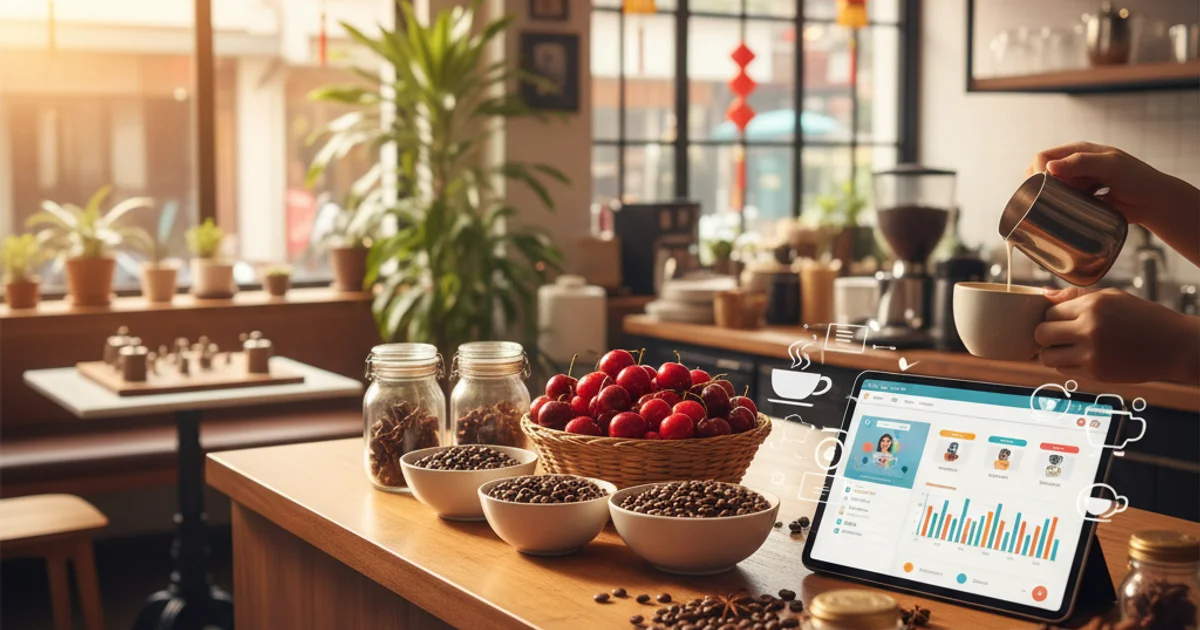
Walk into any coffee shop along Geylang Road and you'll see the same pattern: regulars nursing their kopi-o, tourists snapping photos of traditional kopitiam setups, and owners juggling between serving customers and managing the chaos. With 10 coffee shops competing within walking distance in this heritage district, the ones thriving aren't just serving better coffee — they're building genuine relationships with customers who keep coming back.
Why Geylang Coffee Shops Need Smart Customer Management
The first 20 words that matter: customer relationship management isn't about fancy software — it's about knowing Mrs. Lim takes her kopi without sugar and remembers her grandson's exam results.
Singapore's F&B sector is brutally competitive — over 13,000 F&B establishments compete for attention in a city-state of just 5.7 million residents, which is why retention economics matter more here than almost anywhere else.
Traditional coffee shops in Geylang face unique challenges. You're serving everyone from construction workers grabbing breakfast at 6am to late-night diners finishing supper at 2am. Your customer base spans three generations, speaks four languages, and has completely different expectations about service speed and payment methods.
The coffee shops that last decades in this district understand something crucial: every interaction is a chance to strengthen the relationship. The uncle who's been coming for 15 years expects you to remember his usual order. The young professional rushing to catch the MRT wants efficiency. The tourist couple needs patient explanation of what makes your kopi special.
This is where systematic customer relationship management transforms daily operations from reactive chaos into proactive relationship building.
Digital Loyalty That Complements Your Traditional Setup
Modern CRM for coffee shops works alongside your existing POS system, not instead of it. When a regular customer shows their phone at the counter, your staff scan their QR code to add stamps — the same interaction they're used to, but now you capture valuable data about visit patterns and preferences.
The beauty of digital loyalty in a traditional coffee shop setting is the gradual adoption curve. Your longtime regulars can stick with cash transactions while newer customers embrace the digital stamp system. Over time, even the most traditional customers often ask about "that stamp thing" when they see others using it.
Data collection happens naturally through normal service interactions. When someone claims their fifth stamp for a free kopi, you learn they visit twice weekly, prefer morning hours, and typically spend $3-4 per visit. This information helps you make smarter decisions about inventory, staffing, and promotional timing.
WhatsApp Communication That Respects Cultural Preferences
WhatsApp Business messages achieve a 98% open rate, vastly exceeding email's typical 20% — which is why restaurants serious about retention are moving critical reminders to WhatsApp.
In Geylang's multicultural environment, WhatsApp bridges generational and linguistic gaps better than any other communication channel. Your younger customers expect instant updates about new menu items or special promotions. Older customers appreciate gentle reminders about rewards they've earned but haven't claimed yet.
The key is messaging that feels personal, not automated. Instead of generic "Thanks for visiting" messages, effective CRM systems let you send contextual communications: "Your usual kopi-o is ready for pickup" or "You're one stamp away from your free toast set."
Language preferences matter enormously in this district. Some customers prefer English, others Mandarin, many are comfortable with Hokkien phrases mixed in. A good CRM system accommodates these preferences without making communication feel mechanical or impersonal.
Understanding Your Customer Segments Through Data
Every coffee shop serves distinct customer segments, but most owners rely on intuition rather than data to understand these groups. Systematic CRM reveals patterns that transform how you serve different customer types.
Morning rush customers (6am-9am) prioritize speed and consistency. They want their usual order ready quickly, minimal conversation, efficient payment. Your CRM data might show this segment accounts for 40% of daily revenue but has the lowest per-transaction value and highest frequency.
Leisure customers (10am-2pm) value the social experience. They linger over kopi, chat with staff, often try new items. Data typically shows higher per-transaction values but lower frequency. These customers respond well to personalized recommendations and are most likely to refer friends.
Evening and late-night customers (6pm-2am) often combine coffee with meals. They might be shift workers, students studying, or locals extending social gatherings. Understanding their preferences helps with inventory planning and staff scheduling during these extended hours.
The Singapore Food Agency tracked 23,589 licensed food shops and 14,134 food stalls in 2024 — the largest concentration of F&B outlets per capita in the region, and a reminder that discovery is a real problem for any single brand.
Referral Programs That Leverage Community Connections
Geylang's tight-knit community structure makes word-of-mouth referrals incredibly powerful. A well-designed referral program amplifies these natural recommendation patterns while giving you visibility into how customers discover your coffee shop.
Traditional referral tracking relies on asking customers "How did you hear about us?" — notoriously unreliable data. Digital CRM systems can track referrals precisely when existing customers share their unique referral codes with friends and family.
The most effective referral rewards in coffee shop settings are immediate and shareable. When someone refers a friend, both the referrer and new customer get instant rewards — perhaps a free kopi for the referrer and a discount for the newcomer. This creates positive associations for both parties during their first interaction with your referral program.
Community events and celebrations provide natural referral opportunities. During festivals, local celebrations, or even construction project completions (common in this evolving district), referral programs can capture the increased foot traffic and convert one-time visitors into regular customers.
For more insights on building effective referral systems, check out our guide on referral programs for coffee businesses.
Automated Marketing That Feels Personal
The challenge with marketing automation in traditional coffee shops is maintaining the personal touch that customers expect. Nobody wants to feel like they're receiving robot messages from their neighborhood kopitiam.
Effective automated marketing starts with behavioral triggers rather than time-based campaigns. When a regular customer hasn't visited in two weeks, that's a natural opportunity for a gentle check-in message. When someone's birthday approaches, a personalized offer creates a reason to celebrate at your coffee shop.
Singapore has one of the highest WhatsApp penetration rates in the world — 87% of Singaporeans use WhatsApp, and the average user spends 2 hours 17 minutes on social platforms daily (Hashmeta).
Seasonal promotions work particularly well when tied to customer data. If you know certain customers always order iced drinks during hot weather, you can proactively message them when temperatures spike. If others prefer traditional hot kopi regardless of weather, you can highlight your premium bean sourcing instead.
The automation should feel like helpful reminders from a friend, not marketing messages from a corporation. "Uncle, your usual kopi-o is waiting" hits differently than "Valued customer, visit us today for 10% off."
Measuring Success Beyond Revenue
Traditional coffee shops often measure success purely through daily takings, but CRM systems reveal more nuanced success metrics that predict long-term sustainability.
Customer lifetime value becomes visible when you track visit frequency and spending patterns over time. A customer who spends $4 twice weekly for six months represents $192 in revenue — much more valuable than someone who spends $20 once and never returns.
Retention rates tell you whether your service improvements are working. If new customers are visiting more frequently after their third visit, your onboarding process is effective. If longtime customers are reducing their visit frequency, that's an early warning signal worth investigating.
Referral rates indicate community satisfaction. In tight-knit areas like Geylang, satisfied customers naturally recommend good coffee shops to neighbors and colleagues. Tracking these referrals helps you understand which aspects of your service generate the most positive word-of-mouth.
For comprehensive strategies on customer retention in Singapore's competitive F&B market, explore our analysis of loyalty programs for Singapore coffee shops.
Integration with Daily Operations
The most successful CRM implementations in coffee shops integrate seamlessly with existing workflows rather than disrupting established routines.
Morning preparation can include reviewing overnight data: which regular customers haven't visited recently, what items sold out fastest yesterday, which promotions generated the most engagement. This information helps with inventory decisions and staffing adjustments.
During service hours, CRM data appears naturally through customer interactions. When someone scans their loyalty QR code, staff can see their usual order, dietary preferences, and milestone progress. This enables proactive service without slowing down transactions.
End-of-day analysis becomes more strategic with comprehensive customer data. Instead of just counting cash and calculating daily totals, you can identify trends in customer behavior, successful promotional periods, and opportunities for operational improvements.
The goal is making CRM feel like a natural extension of the personal service coffee shops are known for, not a technological barrier between staff and customers.