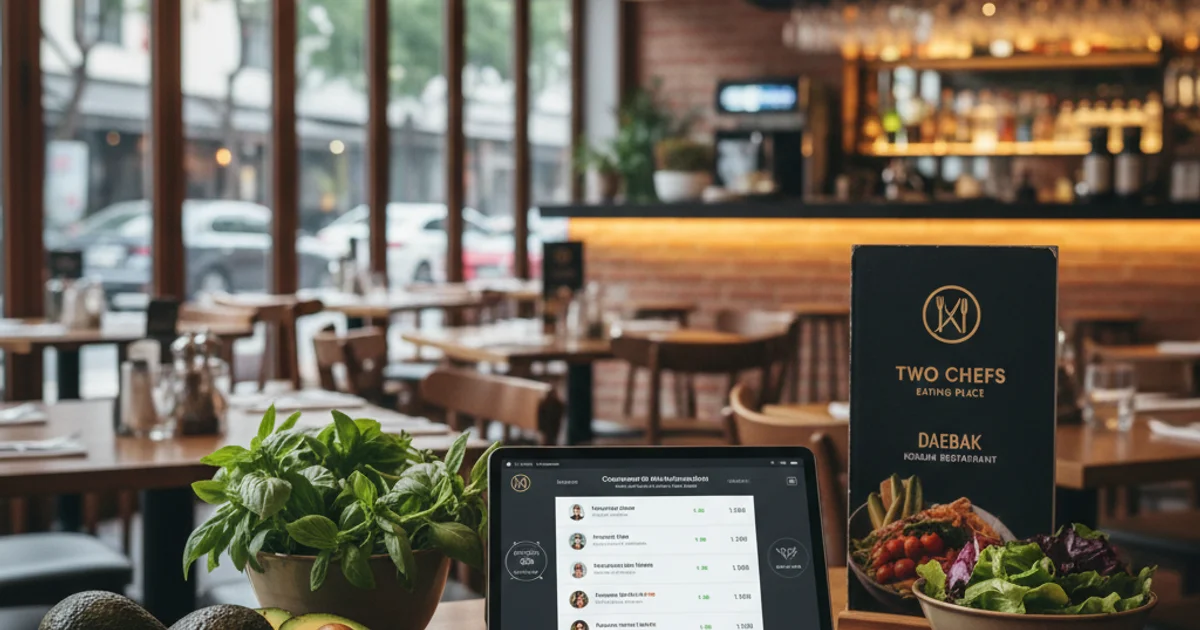
Running a restaurant in Queenstown means competing with established names like Two Chefs Eating Place and newer spots like Daebak Korean Restaurant. With 10 restaurants serving this central Singapore neighborhood, keeping track of your regular customers becomes the difference between surviving and thriving.
Customer relationship management isn't just corporate jargon. It's how restaurants build the repeat business that keeps doors open when foot traffic slows down.
Why Queenstown Restaurants Need Smart Customer Management
Singapore's F&B sector is brutally competitive — over 13,000 F&B establishments compete for attention in a city-state of just 5.7 million residents, which is why retention economics matter more here than almost anywhere else.
Queenstown restaurants face unique challenges. The neighborhood balances older HDB residents with newer private condo projects, creating diverse customer expectations. Evening peak runs 6-9pm on weekdays, extending later on weekends, but many operators struggle to track which customers come back during these busy periods.
A neighborhood Korean restaurant might serve 80 covers on a Friday night but only recognize 15 faces. The other 65 customers remain anonymous transactions. Without customer data, there's no way to encourage return visits or build loyalty during quieter periods.
STAMPEDE's CRM system captures customer information naturally through digital stamp cards and referral programs. Every scan creates a customer profile with visit history, preferences, and contact details.
Digital Stamp Cards Replace Paper Chaos
Traditional punch cards create administrative headaches. Customers lose them, staff forget to stamp them, and restaurant owners have no visibility into redemption patterns or customer behavior.
Digital stamp cards solve these problems while creating valuable customer data. When a customer scans their QR code at checkout, the system automatically records their visit, adds stamps, and builds a profile of their dining patterns.
The system tracks which dishes customers order, how often they visit, and when they typically dine. This data helps restaurants understand their customer base and make informed decisions about menu changes, staffing, and promotional timing.
Queenstown's diverse dining scene benefits from this flexibility. A casual Chinese restaurant can set up a simple "Buy 10, Get 1 Free" program, while an upscale bistro might offer milestone rewards at 5, 10, and 20 visits with different reward tiers.
WhatsApp Automation Keeps Customers Engaged
WhatsApp Business messages achieve a 98% open rate, vastly exceeding email's typical 20% — which is why restaurants serious about retention are moving critical reminders to WhatsApp.
Automated WhatsApp messages can notify customers when they're close to earning a reward, remind them about expiring coupons, or invite them back after a period of inactivity. The system sends these messages at optimal times without requiring staff intervention.
A Queenstown restaurant using WhatsApp automation might send a "You're 2 stamps away from your free dessert" message to customers who haven't visited in two weeks. This gentle reminder often drives immediate visits during slower periods.
Singapore has one of the highest WhatsApp penetration rates in the world — 87% of Singaporeans use WhatsApp, and the average user spends 2 hours 17 minutes on social platforms daily (Hashmeta).
The automation works alongside existing POS systems without requiring integration. Staff simply mention the loyalty program at checkout, customers scan their QR code, and the system handles the rest.
Referral Programs Turn Customers Into Advocates
Word-of-mouth drives discovery in Singapore's dense F&B landscape. Referral programs systematize this process by giving customers incentive to recommend your restaurant to friends and family.
When a customer refers someone new, both the referrer and referee receive rewards. This creates a positive experience for everyone involved and encourages customers to actively promote your restaurant.
The referral system tracks which customers bring the most new business, helping identify your most valuable advocates. Some restaurants offer special perks to top referrers, creating a VIP tier that strengthens loyalty.
Queenstown's mix of residents and office workers creates natural referral opportunities. A regular customer might bring colleagues for lunch or recommend the restaurant to new neighbors.
Customer Data Drives Menu and Service Decisions
CRM systems reveal patterns that aren't visible during busy service periods. You might discover that your Tuesday lunch crowd prefers lighter dishes, or that customers who order appetizers are more likely to become regulars.
This data helps with inventory planning, staff scheduling, and menu development. A restaurant might notice that families with children visit more often when kids' portions are available, leading to expanded family-friendly options.
Customer feedback collected through the CRM system provides direct input on service quality and menu preferences. This creates a feedback loop that helps restaurants continuously improve their offering.
The Singapore Food Agency tracked 23,589 licensed food shops and 14,134 food stalls in 2024 — the largest concentration of F&B outlets per capita in the region, and a reminder that discovery is a real problem for any single brand.
The system also identifies at-risk customers who haven't visited recently, enabling proactive retention efforts before they choose competitors.
Integration With Delivery and Takeaway Orders
Modern CRM systems connect with delivery platforms like GrabFood and Foodpanda, creating unified customer profiles across all ordering channels. This gives restaurants complete visibility into customer behavior whether they dine in, order delivery, or collect takeaway.
Customers can earn stamps and redeem rewards regardless of how they order, creating consistency across all touchpoints. This omnichannel approach is particularly important in Queenstown, where delivery dominates during peak hours.
The unified data helps restaurants understand the true value of each customer across all channels, leading to better retention strategies and more accurate customer lifetime value calculations.
For insights on building effective customer relationships, read our guide on referral programs for restaurants. You'll also find valuable strategies in our post about WhatsApp marketing for Singapore restaurants.
Learn more about digital transformation in our comprehensive guide to loyalty programs for local businesses.
---
| CRM Feature | Traditional Method | Digital Solution | Impact |
|---|---|---|---|
| Customer Identification | Paper cards, memory | QR code scanning | 100% visit tracking |
| Loyalty Rewards | Punch cards, manual tracking | Automated stamp collection | Zero administrative overhead |
| Customer Communication | In-person only | WhatsApp automation | 98% message open rates |
| Referral Tracking | Word-of-mouth guesswork | Coded referral links | Measurable growth attribution |
| Data Analysis | Manual observation | Automated insights | Data-driven decisions |