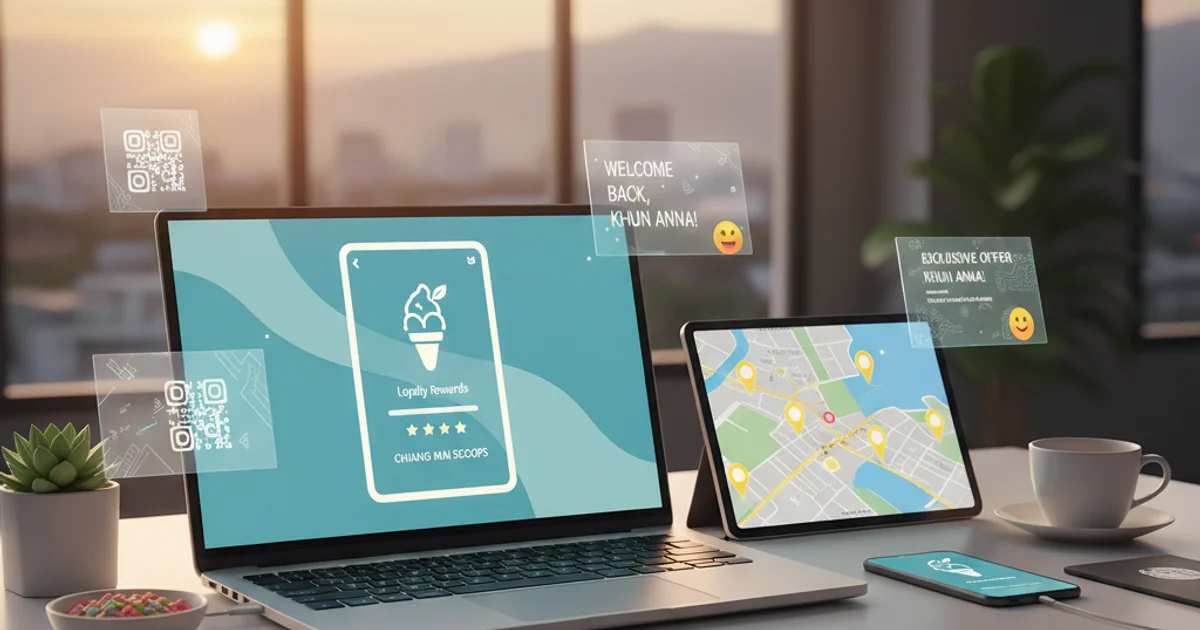
When ice cream shops in Chiang Mai want to keep customers coming back, nearly four out of five successful businesses focus on creating personalized experiences that make each visit feel special. This approach has become essential in a city where digital nomads, tourists, and locals all expect different levels of service.
Running an ice cream or gelato shop in Chiang Mai's competitive landscape means standing out among the cafes clustered around Nimmanhaemin and the tourist zones near the Old City. While traditional punch cards might work for some businesses, today's customers expect the convenience of digital loyalty programs that work on their phones.
STAMPEDE provides ice cream and gelato shops with a complete digital loyalty system that complements your existing point-of-sale setup. Instead of managing paper cards or separate loyalty hardware, your staff can scan QR codes directly from customers' phones while your current POS handles payments normally.
Why Chiang Mai Ice Cream Shops Need Digital Loyalty Programs
Chiang Mai's unique customer mix creates specific challenges for ice cream and gelato businesses. Digital nomads staying for months want loyalty benefits that accumulate over time, while tourists visiting for a week need immediate incentives to return.
The city's seasonal tourism patterns mean your customer base fluctuates dramatically throughout the year. During peak season, you might serve hundreds of new customers daily. During quieter months, retaining your regular local customers becomes crucial for maintaining revenue.
Digital loyalty programs help you capture customer data from both groups. When a tourist signs up for your loyalty program, you can send them a welcome offer that encourages a second visit during their stay. For longer-term residents, you can build relationships that extend beyond their initial Chiang Mai experience.
A digital loyalty system captures every customer interaction, whether they're staying in Chiang Mai for three days or three years.
Essential Features for Ice Cream Shop Loyalty Programs
Your loyalty program needs to work seamlessly with how ice cream shops actually operate. Customers often order quickly, especially during hot afternoons when demand peaks. Your system should add stamps to customer accounts in seconds, not minutes.
Mobile-first design becomes critical in Chiang Mai's climate. Customers don't want to fumble with physical cards when temperatures reach 35°C. They want to show their phone, get their stamp, and enjoy their ice cream before it melts.
WhatsApp integration proves particularly valuable for ice cream businesses. According to messaging platform research, SMS delivers response rates between 40-50%, significantly higher than email's 4-6% average. When you launch a new flavor or offer a limited-time promotion, WhatsApp messages reach customers instantly.
Push notifications work well for time-sensitive offers. If you're closing early due to ingredient shortages, or if you want to promote evening sales during cooler hours, push notifications deliver immediately to customers who have your app installed.
Referral Programs That Work in Tourist Cities
Chiang Mai's transient population makes referral programs particularly powerful. Digital nomads frequently recommend places to other nomads in their networks. Tourists share discoveries with friends who might visit Chiang Mai later.
Traditional referral tracking becomes impossible with paper systems. How do you know if a new customer came because of a recommendation from someone who visited three months ago? Digital systems track these connections automatically.
Tiered referral rewards work especially well for ice cream shops. Offer both the referrer and the new customer a discount on their next visit. This creates immediate value for both parties and increases the likelihood of redemption during short stays.
Social sharing features amplify referral effects. When customers can easily share your shop's location and their loyalty status on Instagram or Facebook, they're essentially advertising for you across multiple social networks where over 2.6 billion people worldwide stay connected with trends and cultural moments.
Setting Up Customer Rewards That Drive Repeat Business
Ice cream purchases are inherently impulse-driven, but smart reward structures can create planned return visits. A "buy 5 scoops, get 1 free" structure works well for regular customers, while faster rewards like "buy 2 scoops today, get 50% off tomorrow" appeal to tourists with limited time.
Birthday rewards prove especially effective for ice cream shops. Everyone celebrates birthdays, and ice cream feels like an appropriate treat. Automated birthday messages sent a few days before the actual date give customers time to plan a visit.
Seasonal rewards align with Chiang Mai's climate patterns. During the hot season, offer bonus stamps for visits during typically slower morning hours. During cooler months, create evening promotions that encourage visits when temperatures drop.
Time-based rewards can help smooth demand patterns. If your shop gets overwhelmed during peak afternoon hours, offer double stamps for visits between 10 AM and 2 PM. This distributes customer traffic more evenly throughout the day.
Reward timing matters more than reward size – customers value immediate recognition over delayed gratification.
Managing Multiple Locations and Staff Access
If you operate multiple ice cream shops across Chiang Mai, unified customer data becomes essential. A customer who earns stamps at your Nimman location should be able to redeem rewards at your Old City shop without any complications.
Staff training requirements stay minimal with intuitive systems. Your employees need to scan QR codes and confirm stamp additions – skills that take minutes to learn. More complex loyalty operations happen automatically in the background.
Branch-specific reporting helps you understand location performance. You might discover that your Nimman shop attracts more digital nomads who stay longer and accumulate more stamps, while your tourist-area location sees higher transaction volumes but lower repeat visit rates.
Manager access controls let you give different team members appropriate system permissions. Shop managers can view reports and modify promotions, while counter staff only need access to stamp scanning and basic customer lookup functions.
Integration with Existing Payment Systems
Your current point-of-sale system handles payments, inventory, and daily operations. A loyalty program should complement these functions without requiring expensive replacements or complex integrations.
STAMPEDE works alongside your existing POS rather than replacing it. Customers pay through your current system while earning loyalty stamps through a separate but coordinated process. This approach protects your investment in existing hardware while adding loyalty functionality.
Staff workflows remain familiar. After processing a payment through your regular POS, staff scan the customer's loyalty QR code to add stamps. This two-step process takes less than 10 seconds and doesn't disrupt your established routines.
Data synchronization happens automatically without manual intervention. Customer stamp balances, reward redemptions, and promotional campaigns update in real-time across all your devices and locations.
Measuring Success and Customer Retention
Effective loyalty programs generate measurable improvements in customer behavior. Track metrics like average visit frequency, customer lifetime value, and redemption rates to understand your program's impact.
Customer retention becomes visible through data rather than guesswork. You can identify which customers visit regularly, which ones have stopped coming, and which promotional offers generate the strongest response rates.
Seasonal analysis helps optimize your approach for Chiang Mai's tourism patterns. Compare customer acquisition and retention rates during high season versus low season to adjust your marketing strategies accordingly.
Revenue attribution shows the direct financial impact of your loyalty program. When you can demonstrate that loyalty members spend 20% more per visit or return twice as often as non-members, the program's value becomes clear.