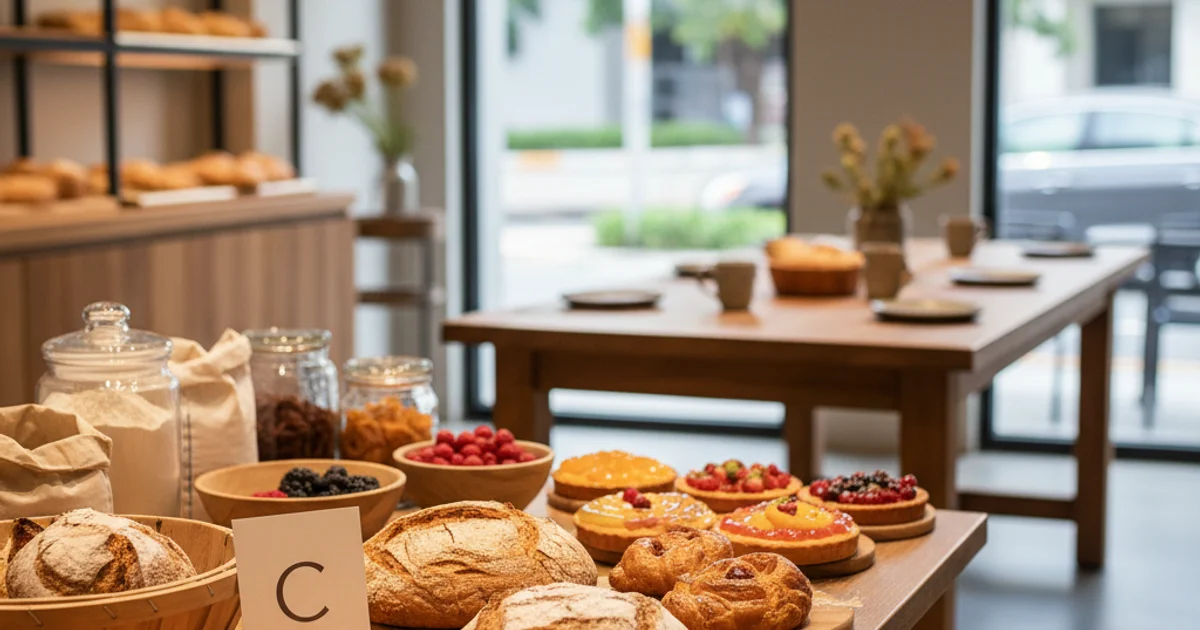
Running a bakery in Clementi means competing with 10 other bakeries within walking distance of Clementi MRT. When Bob the Baker Boy and iBREAD Clementi are already established names, how do you get customers to choose your croissants over theirs? The answer isn't just better pastries — it's turning your existing customers into your marketing team.
Why Clementi Bakeries Need Customer Referrals
Clementi's unique position as a residential hub between NUS and Singapore Polytechnic creates a fascinating customer dynamic. You've got families doing their weekend shopping at Clementi Mall, students grabbing quick breakfast before lectures, and office workers stopping by after their commute. Each group has different spending patterns, but they all share one thing: they trust recommendations from people they know.
Singapore's F&B sector is brutally competitive — over 13,000 F&B establishments compete for attention in a city-state of just 5.7 million residents, which is why retention economics matter more here than almost anywhere else.
A well-designed referral program transforms your regular customers into brand ambassadors. When Mrs. Tan from Block 431 tells her neighbor about your freshly baked sourdough, that recommendation carries more weight than any Facebook ad. The key is making it easy for her to share and rewarding her when she does.
The Psychology Behind Bakery Referrals
Bakeries occupy a special place in neighborhood life. Unlike restaurants where people might visit once a month, bakery customers often develop daily or weekly routines. They become part of your community, and referrals feel natural when they genuinely love what you're doing.
The most effective referral programs tap into this community feeling. Instead of generic "refer a friend" messaging, successful Clementi bakeries frame referrals as sharing neighborhood discoveries. When someone finds a great bakery, they want to tell people about it — your job is to make that sharing process rewarding for everyone involved.
WhatsApp Business messages achieve a 98% open rate, vastly exceeding email's typical 20% — which is why restaurants serious about retention are moving critical reminders to WhatsApp.
Timing matters enormously. The best moment to ask for a referral isn't at the point of sale when customers are focused on their purchase. It's after they've enjoyed your products at home, when the positive experience is fresh in their mind.
Setting Up Your Referral System
Modern referral programs work through digital systems that track who referred whom and automatically reward both parties. The most effective systems integrate with your existing customer loyalty program, creating a seamless experience where referrals and repeat purchases reinforce each other.
Your referral program needs three core components: easy sharing, clear tracking, and compelling rewards. Easy sharing means customers can invite friends through WhatsApp, SMS, or social media with a single tap. Clear tracking ensures both the referrer and referee know exactly what they'll receive. Compelling rewards make the effort worthwhile for everyone involved.
For Clementi bakeries, location-specific rewards work particularly well. Instead of generic discounts, consider rewards that acknowledge the neighborhood context — like "Free coffee with any pastry purchase" or "20% off your next dozen cookies for the family."
Reward Structures That Work
The most successful bakery referral programs use tiered rewards that increase as customers refer more people. A simple structure might offer the referrer a free pastry for their first successful referral, a free coffee and pastry combo for their third, and a custom cake discount for their fifth.
Two-sided rewards — where both the referrer and the new customer receive something — typically perform better than one-sided programs. New customers feel welcomed with an immediate benefit, while existing customers see tangible value from sharing. This creates positive associations with your brand for both parties.
Singapore has one of the highest WhatsApp penetration rates in the world — 87% of Singaporeans use WhatsApp, and the average user spends 2 hours 17 minutes on social platforms daily (Hashmeta).
Consider seasonal rewards that align with your bakery's calendar. During Chinese New Year, referral rewards might include traditional cookies or custom celebration cakes. For students preparing for exams, study-fuel packages with coffee and energy bars create timely relevance.
The key is making rewards feel substantial enough to motivate action but sustainable enough that you can maintain the program long-term. A successful referral program becomes a permanent part of your marketing mix, not a short-term promotion.
Measuring Referral Success
Track three core metrics to understand your referral program's impact: referral rate (what percentage of customers make referrals), conversion rate (what percentage of referred prospects become customers), and lifetime value of referred customers compared to other acquisition channels.
Referred customers typically show higher lifetime value because they arrive with built-in trust. They've heard positive things about your bakery from someone they know, so they're more likely to become regular customers themselves. This makes referral programs particularly valuable for businesses like bakeries that depend on repeat customers.
The Singapore Food Agency tracked 23,589 licensed food shops and 14,134 food stalls in 2024 — the largest concentration of F&B outlets per capita in the region, and a reminder that discovery is a real problem for any single brand.
Monitor which rewards drive the most referrals and adjust accordingly. If free pastries generate more sharing than percentage discounts, lean into what works. Pay attention to seasonal patterns — referral activity might spike during school holidays when families have more time to try new places together.
Common Referral Program Mistakes
Many bakeries launch referral programs with rewards that are too small to motivate action. A 5% discount might not feel worth the effort of actively recommending your business to friends. Test different reward levels to find the sweet spot where customers feel genuinely excited to share.
Another common mistake is making the referral process too complicated. If customers need to remember special codes, fill out forms, or jump through multiple steps, most won't follow through. The best referral systems work with a simple link or code that customers can share directly from their phone.
Timing your referral asks poorly can also undermine the program. Asking for referrals immediately after someone's first purchase feels pushy. Wait until they've had positive experiences and shown signs of becoming regular customers. The goal is to feel like a natural extension of their relationship with your bakery, not a sales pitch.
Technology Integration
Modern referral programs integrate with your point-of-sale system and customer database to track referrals automatically. When a new customer mentions they were referred by Mrs. Tan, the system can instantly credit her account and apply the new customer's welcome discount.
WhatsApp integration makes sharing effortless for Singapore customers. Instead of asking people to remember referral codes, customers can share a link directly through WhatsApp that automatically tracks the referral and applies rewards. This removes friction from the sharing process and increases participation rates.
Look for systems that provide clear dashboards showing your referral program's performance. You should be able to see who your top referrers are, which rewards are most popular, and how referred customers behave compared to other acquisition channels. This data helps you optimize the program over time.
Building Long-Term Referral Culture
The most successful referral programs become part of your bakery's culture rather than just a marketing tactic. Train your staff to naturally mention the referral program when customers express enthusiasm about their purchases. A simple "I'm so glad you enjoyed the chocolate croissants — you know, if you have friends who might like them too, we have a referral program" feels conversational, not pushy.
Create opportunities for referrals beyond the transactional moment. If you host baking classes or community events, these naturally create referral opportunities. When customers have positive shared experiences at your bakery, they're more likely to invite friends to join them next time.
Consider partnerships with other Clementi businesses that serve complementary customer bases. A coffee roaster might refer customers to your bakery for pastries, while you recommend their beans for home brewing. These cross-business referrals can expand your reach within the neighborhood community.
Regular communication with your best referrers helps maintain momentum. Send them updates about new products they might want to share, or give them early access to seasonal items. When customers feel like insiders, they're more enthusiastic about bringing others into that community.
---