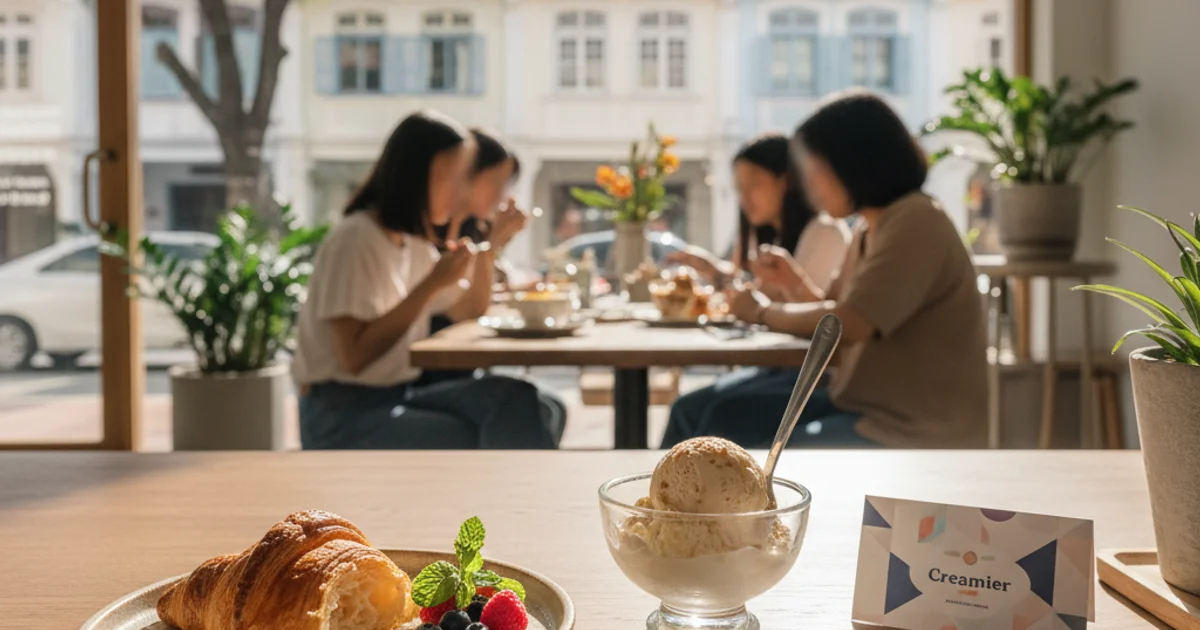
Tiong Bahru's dessert scene is dense — 10 dessert shops compete within walking distance of each other, from heritage spots like Tiong Bahru Bakery to artisan ice cream at Creamier. When every shop offers Instagram-worthy treats, the difference between thriving and struggling often comes down to one thing: getting your existing customers to bring their friends.
Most dessert shop owners in Tiong Bahru focus on perfecting their recipes or upgrading their interiors. But the shops that consistently pack their seats understand something different. They've built systems that turn satisfied customers into active promoters, creating a steady stream of new faces without spending on ads.
Why Traditional Marketing Falls Short for Tiong Bahru Dessert Shops
Walk down Yong Siak Street and you'll see the challenge. Every dessert shop has beautiful photos on Instagram. Most offer similar items — artisanal ice cream, specialty cakes, bubble tea variations. With so many options clustered together, customers often choose based on convenience or whim rather than loyalty.
Traditional advertising becomes expensive quickly in this environment.
Singapore's F&B sector is brutally competitive — over 13,000 F&B establishments compete for attention in a city-state of just 5.7 million residents, which is why retention economics matter more here than almost anywhere else.
The most successful dessert shops in Tiong Bahru have discovered that their best marketing channel isn't Facebook or Instagram — it's their existing customers. A well-designed referral program transforms satisfied customers into a reliable acquisition channel, generating new business at a fraction of traditional advertising costs.
A referral program turns your existing customers into active promoters by offering rewards when they successfully bring friends to your dessert shop.
How Referral Programs Work for Dessert Shops
Unlike restaurant meals, desserts are inherently social experiences. People share desserts on social media, bring friends to try new flavors, and often visit dessert shops as group activities. This natural sharing behavior makes dessert shops ideal candidates for referral programs.
STAMPEDE's referral system works through digital tracking. Each customer receives a unique referral code they can share via WhatsApp, SMS, or social media. When someone uses that code to sign up for your loyalty program and makes their first purchase, both the referrer and the new customer receive rewards.
The system handles attribution automatically. No manual tracking, no paper cards, no confusion about who referred whom. Everything flows through your existing loyalty program, creating a seamless experience for both staff and customers.
Referral programs for dessert shops typically offer rewards like free desserts, percentage discounts, or exclusive menu access to both the person making the referral and the new customer they bring.
Setting Up Referral Rewards That Drive Action
The key to successful dessert shop referrals lies in choosing rewards that feel valuable but don't hurt your margins. Popular structures include:
Flat rewards: Both referrer and new customer get $5 off their next purchase. Simple to understand and communicate.
Percentage discounts: 20% off for both parties. Works well for higher-ticket items like specialty cakes or premium ice cream.
Tiered rewards: Customers unlock better rewards as they refer more friends. First referral might earn a free drink, while the fifth referral earns a free dessert.
Exclusive access: Early access to seasonal menu items or special flavors for successful referrers.
The most effective programs offer immediate gratification. When someone signs up through a referral, both parties should receive their rewards right away, not after waiting periods or minimum spending thresholds.
WhatsApp Business messages achieve a 98% open rate, vastly exceeding email's typical 20% — which is why restaurants serious about retention are moving critical reminders to WhatsApp.
This high engagement rate makes WhatsApp sharing particularly effective for referral programs.Most successful dessert shop referral programs offer immediate rewards to both the referrer and new customer, typically ranging from $3-8 off or 15-25% discounts.
Tiong Bahru Customer Behavior and Referral Timing
Tiong Bahru attracts a specific demographic: young professionals, weekend brunch crowds, and tourists exploring the heritage neighborhood. Understanding when and why these customers make referrals helps optimize your program timing.
The best referral moments happen naturally during the dessert experience. Customers sharing Instagram photos of their treats, friends commenting on social media posts, or groups deciding where to meet for dessert. Your referral system should make it easy to capitalize on these organic sharing moments.
STAMPEDE's referral feature includes smart timing. Customers receive referral prompts after positive interactions — completing a stamp card, claiming a reward, or rating their experience highly. This timing feels natural rather than pushy.
The neighborhood's foot traffic patterns also matter. Tiong Bahru sees heavy weekend traffic and evening dessert runs. Referral campaigns can be timed around these peak periods, encouraging customers to bring friends during busy times when the social energy is highest.
Customers are most likely to make referrals immediately after positive experiences like completing a loyalty card or trying a new menu item they love.
Measuring Referral Program Success
Effective referral programs require ongoing measurement and optimization. Key metrics include:
Referral conversion rate: What percentage of shared referral codes actually convert into new customers? Healthy programs see 15-30% conversion rates.
Customer lifetime value impact: Do referred customers spend more over time than customers acquired through other channels? Referred customers often show higher retention.
Program participation rate: What percentage of your existing customers actively use their referral codes? Low participation might indicate reward structure problems.
Cost per acquisition: How much does each referred customer cost compared to paid advertising? Referral programs typically deliver lower acquisition costs.
STAMPEDE provides detailed analytics on all these metrics. You can see which customers are your top referrers, which rewards drive the most conversions, and how referred customers behave compared to other acquisition channels.
Regular program adjustments based on data improve results. If conversion rates drop, you might need more attractive rewards. If participation is low, the sharing process might be too complicated.
Track referral conversion rates, customer lifetime value, participation rates, and cost per acquisition to optimize your program performance over time.
Integration with Your Existing Operations
A referral program shouldn't create extra work for your staff. The system should integrate seamlessly with your existing point-of-sale and loyalty operations.
STAMPEDE's referral program works alongside your existing loyalty system. Staff don't need to learn new processes or handle additional paperwork. When a new customer mentions they were referred, the system automatically attributes the referral and issues rewards.
The program also complements your existing marketing efforts. Referral codes can be promoted through your social media, email campaigns, and in-store displays. The key is making referral sharing feel like a natural extension of the customer experience, not an additional burden.
For Tiong Bahru dessert shops, integration with delivery platforms matters too. Customers ordering through GrabFood or Foodpanda should still be able to participate in referral programs, ensuring you capture all potential sharing opportunities.
Referral programs should integrate seamlessly with existing POS systems, loyalty programs, and delivery platforms without requiring additional staff training or complex procedures.
Common Referral Program Mistakes to Avoid
Many dessert shops launch referral programs that fail to gain traction. Common mistakes include:
Complicated sharing processes: If customers need to remember codes or navigate complex apps, they won't participate. One-tap sharing through WhatsApp or SMS works better.
Delayed rewards: Customers expect immediate gratification. Rewards that require waiting periods or minimum spending often fail to motivate action.
Unclear terms: Confusion about how the program works or when rewards expire kills participation. Simple, clear communication is essential.
Insufficient promotion: Launching a referral program without actively promoting it to existing customers. Staff should mention the program during positive interactions.
Poor reward structure: Rewards that feel too small or don't align with customer preferences won't drive behavior. Test different reward levels to find what motivates your specific audience.
The most successful programs focus on simplicity and immediate value. Customers should understand how to participate within seconds and see rewards appear in their account immediately after successful referrals.
Avoid complicated sharing processes, delayed rewards, unclear terms, insufficient promotion, and poorly structured rewards that don't motivate customer action.
Looking at successful implementations, bubble tea chains have seen significant growth through referral programs, demonstrating how dessert-focused businesses can leverage customer networks for sustainable growth.
For dessert shops in Singapore's competitive landscape,
Singapore has one of the highest WhatsApp penetration rates in the world — 87% of Singaporeans use WhatsApp, and the average user spends 2 hours 17 minutes on social platforms daily (Hashmeta).
This high engagement creates ideal conditions for social referral sharing.Understanding the broader context helps too.
The Singapore Food Agency tracked 23,589 licensed food shops and 14,134 food stalls in 2024 — the largest concentration of F&B outlets per capita in the region, and a reminder that discovery is a real problem for any single brand.
Referral programs help cut through this noise by leveraging trusted personal recommendations.---