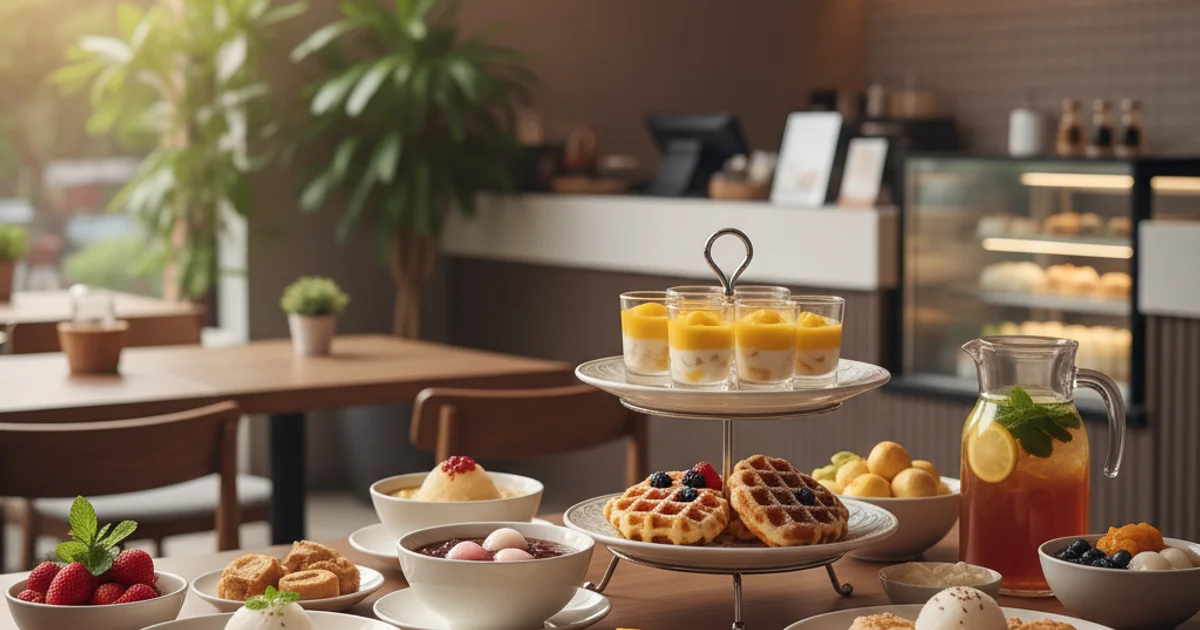
Running a dessert shop in Woodlands means competing with established names like Citrus By The Pool and Ji De Chi Dessert, plus the foot traffic magnets at Causeway Point. With 10 dessert businesses serving the same community, your survival depends on turning occasional visitors into regulars who actively bring friends.
The challenge isn't just retention — it's growth through advocacy. For dessert shops, 87% of Singaporeans using WhatsApp presents an opportunity for systematic referral programs, a notable alternative to traditional reliance on location and word-of-mouth.
Why Woodlands Dessert Shops Need Structured Referrals
A structured referral program turns satisfied customers into active promoters by rewarding both the referrer and the new customer.
Woodlands sits at Singapore's northern gateway, with cross-border Malaysian traffic supplementing local HDB demand. This creates a unique customer mix — residents who visit regularly and visitors who might return if given the right incentive. Traditional word-of-mouth works, but digital referral systems capture and reward these recommendations systematically.
The key difference between casual recommendations and referral programs is measurement and reward. When a customer enjoys your tau huay or ice cream, they might mention it to friends anyway. A referral program gives them a specific reason to share, tracks the connection, and rewards both parties when the referral converts.
How Digital Referral Programs Work for Dessert Businesses
Digital referral programs use unique codes or links to track when existing customers successfully bring new ones, automatically rewarding both parties.
The mechanics are straightforward. Each customer gets a unique referral code or link. When they share it and someone signs up using that code, both the referrer and new customer receive rewards. The system tracks the connection automatically, eliminating manual verification.
For dessert shops, timing matters. The referral reward typically triggers after the new customer makes their first purchase, not just signs up. This ensures you're rewarding actual business, not just database entries.
Popular reward structures include percentage discounts, free items, or loyalty points. A Woodlands dessert shop might offer "Refer a friend, you both get 20% off your next visit" or "Free dessert when your referral makes their first purchase."
The beauty lies in compound growth. Each satisfied customer becomes a potential acquisition channel. In a neighborhood like Woodlands, where families and friend groups often visit dessert places together, this creates natural viral loops.
Setting Up Referral Rewards That Drive Action
Effective referral rewards must be valuable enough to motivate sharing while maintaining profitability for your business.
The reward structure determines program success. Too small, and customers won't bother sharing. Too large, and you erode margins. Most successful dessert shop referral programs offer rewards worth 15-25% of average order value.
Two-sided rewards work better than one-sided. When both the referrer and new customer benefit, the referrer feels good about sharing (they're giving their friend a deal) and the new customer feels welcomed rather than sold to.
Consider your customer behavior patterns. If your average Woodlands customer visits twice monthly and spends $8 per visit, a $3 referral reward represents strong value without destroying margins. The lifetime value of a new regular customer far exceeds the one-time referral cost.
Timing also matters. Immediate rewards feel more connected to the action than delayed ones. When someone's referral visits for the first time, both parties should receive their rewards instantly, creating a positive feedback loop.
Tracking and Managing Referral Performance
Successful referral programs require ongoing monitoring of conversion rates, reward costs, and customer lifetime value to optimize performance.
The key metrics tell different stories. Referral conversion rate measures how many shared codes actually result in new customers. Industry benchmarks vary, but 15-25% conversion rates are achievable for local dessert businesses with compelling offers.
Cost per acquisition through referrals should be lower than other marketing channels. If you're spending $15 in referral rewards to acquire a customer worth $50 in lifetime value, that's sustainable. If the math doesn't work, adjust reward amounts or targeting.
Track referrer behavior too. Some customers share actively but their referrals don't convert. Others share less frequently but bring high-value customers. Understanding these patterns helps you identify your best advocates and potentially offer them enhanced rewards.
Seasonal patterns matter in Woodlands. School holidays, weekend foot traffic from Causeway Point, and festival periods all affect referral performance. SingStat publishes the monthly F&B Services Index showing broader industry trends, but your local patterns might differ based on community events and shopping center promotions.
Consider geographic tracking if your system supports it. Referrals from within Woodlands might behave differently than those from neighboring areas like Marsiling or Sembawang.
Integration with Loyalty Programs and WhatsApp Marketing
Referral programs work best when integrated with existing loyalty systems and automated messaging, creating seamless customer experiences.
The most effective approach combines referrals with stamp cards or points systems. Customers earn stamps for purchases AND for successful referrals. This creates multiple paths to rewards and keeps the program top-of-mind.
The messaging should feel personal, not robotic. "Good news! Your friend Sarah just visited us using your referral link. You've both earned a free dessert for your next visit!" works better than generic confirmation messages.
Integration also means consistent branding. Your referral links, WhatsApp messages, and in-store experience should feel cohesive. If your dessert shop has a playful, family-friendly brand, your referral communications should match that tone.
Consider seasonal campaigns that boost referral activity. "Bring a friend this month and both get our limited-edition CNY dessert free" creates urgency while tying into local celebrations that matter in Singapore's multicultural context.
For more insights on building customer loyalty systems that support referral growth, read about how bubble tea chains scale their referral programs.
Common Challenges and Solutions for Dessert Shop Referrals
Most referral program failures stem from unclear communication, weak rewards, or poor tracking rather than customer unwillingness to share.
The biggest challenge is customer education. Many people don't understand how referral programs work or forget to use their codes. Clear, simple explanations work better than detailed terms and conditions. "Share your code, friend gets 20% off, you get 20% off when they visit" is clearer than paragraph-long explanations.
Technical issues kill momentum. If referral codes don't work, links break, or rewards don't appear automatically, customers lose trust quickly. Test your system regularly and have backup processes for manual reward fulfillment when needed.
Some customers worry about seeming pushy when sharing referral codes. Address this by framing referrals as "sharing a deal with friends" rather than "promoting our business." The psychological difference matters.
Reward delays frustrate both parties. If someone visits using a referral code but rewards don't appear until the next day, the connection feels broken. Immediate gratification strengthens the referral behavior you want to encourage.
Staff training is crucial. Your counter staff should understand the referral program well enough to explain it clearly and troubleshoot basic issues. When customers ask about their referral rewards, staff should be able to check status and resolve problems on the spot.
Measuring Long-term Success and ROI
Referral program success extends beyond immediate conversions to include customer lifetime value, retention rates, and organic growth acceleration.
The obvious metrics are referral volume and conversion rates, but deeper analysis reveals program health. Track the lifetime value of referred customers compared to other acquisition channels. Referred customers often have higher retention rates because they come with social proof from trusted friends.
Monitor referrer retention too. Customers who successfully refer others tend to become more loyal themselves. The act of recommending your dessert shop creates psychological investment in your success.
Enterprise Singapore's Food Services industry programme supports digital transformation for local F&B operators, recognizing that systematic customer acquisition drives sustainable growth in Singapore's competitive market.
Calculate true program ROI by comparing total referral costs against the lifetime value of acquired customers. Include both direct referral rewards and system maintenance costs. Most successful programs achieve 3:1 or better ROI within the first year.
Look for compound effects. As your customer base grows through referrals, each new customer becomes a potential referrer, creating exponential rather than linear growth. This network effect is particularly powerful in close-knit communities like Woodlands.
Consider qualitative feedback too. Customers who participate in referral programs often report feeling more connected to your brand and more likely to recommend you even without formal incentives.