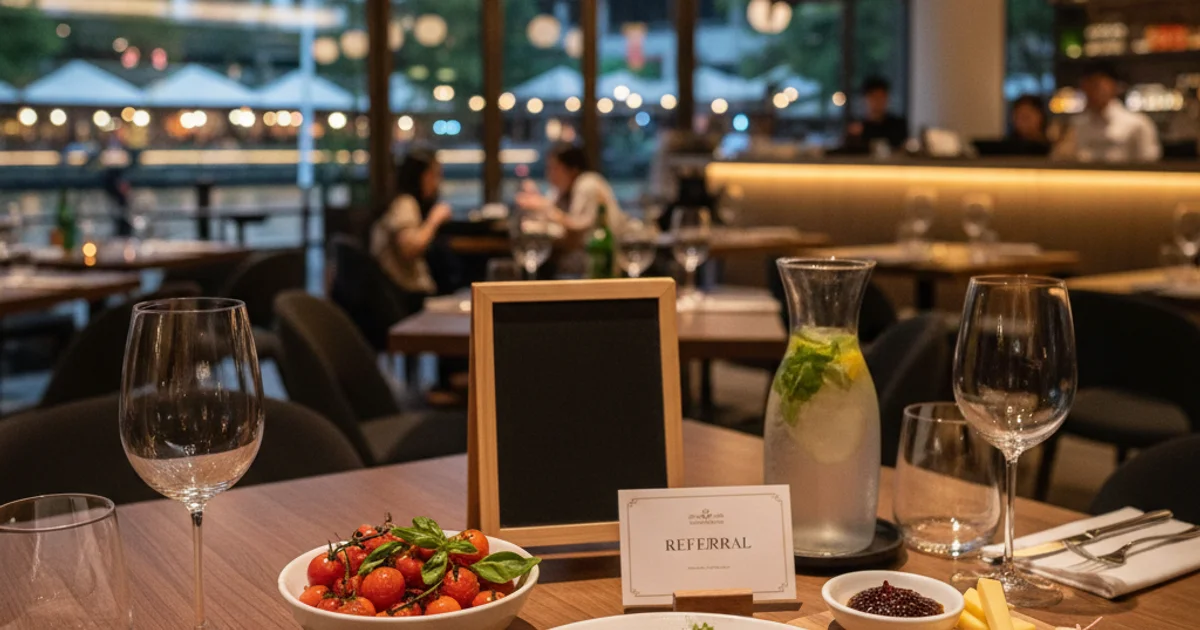
Running a restaurant in Clarke Quay means competing with 10 other establishments within walking distance, all fighting for the same evening crowds that flood the riverside district. When tourists and young professionals have dozens of dining options along the Singapore River, how do you turn first-time visitors into regulars who bring their friends?
The answer lies in building a referral program that rewards your existing customers for spreading the word. Clarke Quay's unique position as both a tourist destination and local nightlife hub creates perfect conditions for word-of-mouth marketing — if you structure the incentives correctly.
Why Clarke Quay Restaurants Need Referral Programs
Clarke Quay draws a mix of tourists, expats, and young professionals, especially during weekend evenings when the district comes alive. This creates both opportunity and challenge for restaurant owners.
The opportunity: visitors who discover your restaurant through a friend's recommendation arrive with higher trust and spending intent than walk-ins browsing menus outside.
The challenge:
Singapore's F&B sector is brutally competitive — over 13,000 F&B establishments compete for attention in a city-state of just 5.7 million residents, which is why retention economics matter more here than almost anywhere else.
A referral program gives your regulars a reason to actively promote your restaurant instead of passively enjoying it. When someone recommends CQ @ Clarke Quay or Zorba The Greek Taverna to friends, they're putting their social credibility on the line — which means they'll only refer places they genuinely trust.
The evening peak in Clarke Quay runs from 6-9pm on weekdays, extending later on weekends. Your referral program should account for this timing, offering rewards that work for both quick after-work meals and longer weekend dining experiences.
How Restaurant Referral Programs Work
A referral program rewards existing customers for bringing new diners to your restaurant. The structure typically involves three components: the referrer (your existing customer), the referee (their friend), and the reward mechanism.
Two-sided rewards perform best. Both the referrer and referee should receive something of value — this creates positive associations for everyone involved. A common structure: the referrer gets 20% off their next meal, while their friend receives a welcome discount on their first visit.
Digital tracking enables measurement. Modern referral systems use unique codes or links that customers can share via WhatsApp, SMS, or social media. When someone signs up using a referral code, both parties automatically receive their rewards.
Timing matters for activation. The referee's reward should activate immediately upon signup, while the referrer's bonus typically triggers after their friend completes a qualifying action — like making their first purchase or earning their first loyalty stamp.
STAMPEDE's referral system integrates with digital loyalty cards, so customers can share their unique referral code alongside their dining recommendations. When friends join using the code, both parties see their rewards appear automatically in their digital wallet.
Setting Up Referral Rewards That Drive Results
The most effective referral rewards align with your restaurant's average transaction value and customer behavior patterns. For Clarke Quay establishments serving the evening crowd, consider these proven structures:
Percentage-based rewards scale with spending. A 15-20% discount works across different price points, from quick bites to full dinner experiences. This approach ensures the reward feels meaningful whether someone orders a single dish or brings a group.
Fixed-dollar rewards create clear value perception. Offering "$10 off your next meal" provides immediate clarity about the benefit. This works particularly well for restaurants with consistent average ticket sizes.
Tiered rewards encourage multiple referrals. Progressive benefits — like $5 for the first referral, $10 for the second, $15 for the third — motivate customers to keep sharing. Some Clarke Quay restaurants see their most active referrers bringing 5-8 new customers over several months.
Time-sensitive bonuses create urgency. Limited-time referral campaigns, such as "Double rewards this month," can drive concentrated bursts of new customer acquisition during slower periods.
The key is making both rewards valuable enough to motivate action but sustainable for your margins. A 20% discount that brings in customers with 40% gross margins still generates positive unit economics while building your customer base.
Promoting Your Referral Program
Even the best-structured referral program fails without proper promotion. Your existing customers need to know the program exists and understand how to use it.
Table tent cards and receipt messaging reach customers at peak satisfaction moments — right after they've enjoyed their meal. A simple "Loved your experience? Share with friends and you both save 20%" message with a QR code for instant signup works effectively.
Staff training ensures consistent communication. Train your service team to mention the referral program when customers express satisfaction. A natural mention like "I'm glad you enjoyed the meal — we have a referral program if you'd like to share this experience with friends" feels helpful rather than pushy.
Social media integration amplifies reach.
Singapore has one of the highest WhatsApp penetration rates in the world — 87% of Singaporeans use WhatsApp, and the average user spends 2 hours 17 minutes on social platforms daily (Hashmeta).
Make sharing easy by providing pre-written messages customers can send directly through WhatsApp.Email and SMS campaigns to existing customers can reactivate dormant referrers. Monthly reminders about unused referral credits or success stories ("Sarah's referrals have saved her $60 this year!") keep the program top-of-mind.
The goal is making referral sharing feel natural rather than forced. Customers should want to share because they genuinely enjoyed their experience, with the reward serving as a nice bonus rather than the primary motivation.
Measuring Referral Program Success
Tracking the right metrics helps you optimize your referral program over time. Focus on these key performance indicators:
Referral rate measures what percentage of your customers actively refer others. A healthy referral rate for restaurants typically ranges from 8-15% of active customers. Clarke Quay establishments often see higher rates due to the social nature of dining in the district.
Conversion rate tracks how many referred prospects actually become customers. This metric reveals whether your referee rewards are compelling enough to drive action. Aim for 25-40% conversion from referral link clicks to first purchases.
Customer lifetime value impact compares referred customers to other acquisition channels. Referred customers typically spend 15-25% more over their lifetime because they arrive with higher trust and engagement.
Cost per acquisition through referrals should be lower than paid advertising channels. Calculate the total cost of rewards given (to both referrers and referees) divided by new customers acquired to ensure positive ROI.
Viral coefficient measures how many new customers each existing customer brings on average. A coefficient above 1.0 means your referral program is driving exponential growth.
Regular analysis helps identify patterns — like which customer segments refer most actively or which reward structures drive highest conversion rates. Use these insights to refine your program quarterly.
Common Referral Program Mistakes to Avoid
Several pitfalls can undermine referral program effectiveness. Learning from these common mistakes saves time and money:
Making the process too complicated kills participation. If customers need to fill out forms, remember special codes, or navigate multiple steps, most won't bother. The best referral systems work with a single QR code scan or link share.
Offering rewards that don't motivate wastes marketing budget. A 5% discount rarely drives referral behavior, while overly complex rewards (like "earn points toward future discounts") create confusion. Clear, immediate value works best.
Forgetting about the referee experience reduces conversion rates. New customers need to understand their reward immediately upon arrival. Train staff to recognize and welcome referred customers warmly.
Ignoring mobile optimization misses the majority of sharing opportunities. Most referrals happen through mobile messaging apps, so your signup and reward process must work seamlessly on smartphones.
Failing to close the loop with referrers reduces repeat participation. Customers who refer friends should receive confirmation when their referral converts, along with their earned reward. This positive reinforcement encourages future referrals.
Not setting clear terms creates customer service headaches. Specify reward expiration dates, usage restrictions, and qualifying purchase amounts upfront to avoid disputes later.
The most successful Clarke Quay restaurants treat their referral program as an ongoing relationship builder rather than a one-time promotion.
Advanced Referral Strategies for Clarke Quay
Once your basic referral program is running smoothly, consider these advanced tactics to maximize impact:
Seasonal campaigns align with Clarke Quay's event calendar. The area hosts festivals, concerts, and special events throughout the year. Create limited-time referral bonuses around these occasions when foot traffic peaks.
Group referral rewards encourage customers to bring multiple friends at once. Offer escalating benefits: "Bring 2 friends, save 25%. Bring 4 friends, save 40%." This works particularly well for Clarke Quay's group dining culture.
Cross-promotional partnerships with neighboring establishments can expand your referral network. Partner with complementary businesses — like bars referring to restaurants or restaurants referring to dessert spots — for mutual benefit.
VIP referrer recognition rewards your most active advocates. Create a special tier for customers who successfully refer 5+ friends, offering exclusive perks like priority reservations or chef's table experiences.
Social proof integration showcases referral success stories. Display customer testimonials about both the food and the referral rewards to normalize the behavior for new customers.
Data-driven personalization tailors referral offers based on customer behavior. Frequent diners might receive higher-value rewards, while occasional visitors get extended validity periods to account for their visit patterns.
These strategies work best when implemented gradually after your core program proves successful. Focus on execution quality over feature quantity.