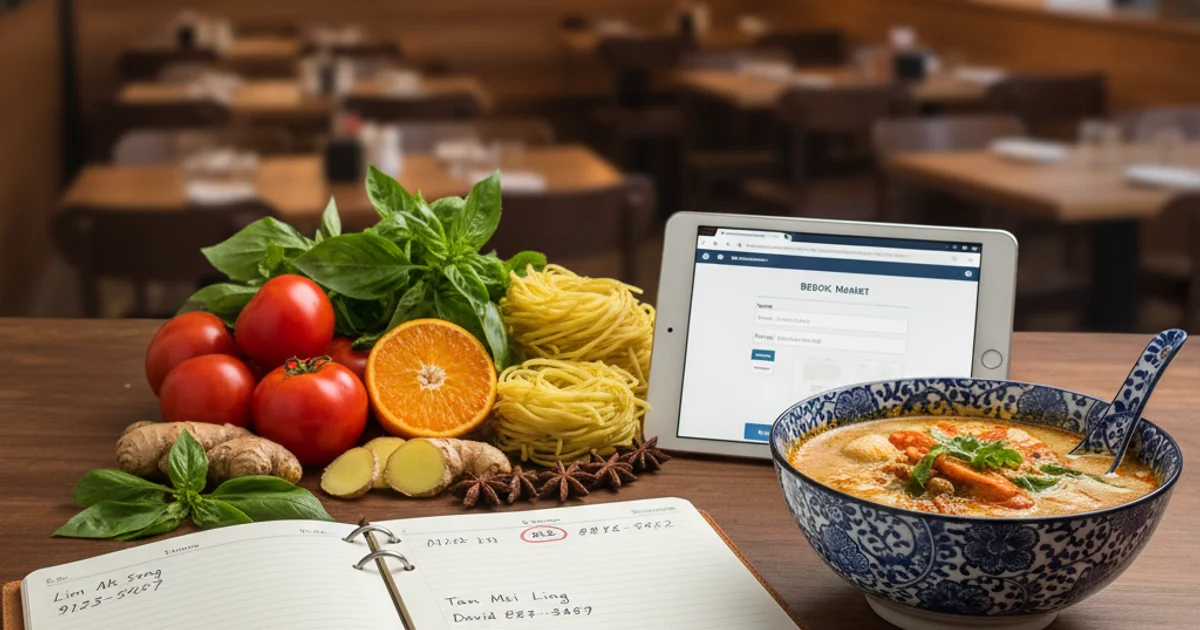
The hawker stall owner at Bedok Market showed me his notebook. Three hundred customer names, written by hand. Phone numbers in the margins. Birthdays circled in red ink.
"I know my regulars," he said. "But I can't reach them when business is slow."
Most restaurant owners face this same problem. They know customer data drives repeat business, but they assume they need a mobile app to collect it. Apps require downloads, approvals, and storage space customers don't want to give. The result? Most restaurants operate blind, serving the same customers daily without knowing who they are.
Progressive Web Apps (PWAs) solve this. They work like websites but feel like apps. No download required. No app store approval. No storage space consumed. Customers scan a QR code, enter their details once, and you have their data forever.
Why traditional apps fail for restaurants
Restaurant apps struggle with customer retention after initial download. Customers download them for a discount, use them once, then delete them to free up phone storage.
The friction starts before they even try your food. App store downloads take 30-60 seconds on slow connections. Customers need to find your app among millions, read reviews, check permissions, and wait for installation. Most abandon the process at the counter while other customers wait behind them.
Even if they download your app, push notifications get disabled within days. iOS and Android both prompt users to turn off notifications from apps they rarely use. Your expensive app becomes a digital paperweight taking up storage space.
Singapore's diverse customer base makes this worse. Customers at kopitiam-style restaurants often prefer simple solutions. Foreign workers may not have sufficient data plans or storage space. Students share phones with family members. Your app strategy excludes customers who need your affordable meals most.
What PWAs do differently
Singapore has 97% smartphone penetration (Statista), one of the highest rates globally — which is exactly why a browser-based PWA loyalty program works here without forcing customers to download an app.
Progressive Web Apps work through any web browser. Customers scan your QR code with their phone camera, and a website opens instantly. No download. No app store. No installation prompt.
The experience feels native. PWAs can access phone features like cameras for QR scanning, send push notifications, and work offline. They save to the home screen like regular apps if customers choose, but this step is optional, not required.
For restaurants, this removes every friction point. A customer can join your loyalty program in under 10 seconds at the counter. Scan QR code, enter phone number, receive first stamp. The digital stamp card stays accessible through their browser forever.
One bubble tea chain with multiple outlets imported hundreds of existing customers to their PWA loyalty system in a single day. No app downloads required. No customer education needed. The transition was invisible to customers who simply continued scanning QR codes as before.
The data collection advantage
The Singapore Food Agency tracked 23,589 licensed food shops and 14,134 food stalls in 2024 — the largest concentration of F&B outlets per capita in the region, and a reminder that discovery is a real problem for any single brand.
PWAs collect customer data progressively. The first interaction captures essential information: phone number for loyalty tracking. Subsequent visits can request additional details like name, birthday, or email address without disrupting the core experience.
This approach works because customers already received value before sharing more data. They've earned stamps, claimed rewards, or received personalized offers. The data request feels like unlocking additional benefits, not surrendering privacy for unknown value.
Restaurant owners see complete customer profiles within weeks. Purchase frequency, favorite items, milestone progress, and referral activity. The same data enterprise apps collect, but gathered through natural interactions instead of forced registration forms.
WhatsApp integration amplifies this data value. Once you have a customer's phone number from PWA signup, you can send automated messages about new menu items, birthday rewards, or comeback offers. WhatsApp messages see higher open rates compared to email, making your customer data immediately actionable.
Technical implementation for restaurants
Enterprise Singapore's Food Services industry programme funds productivity upgrades, manpower training, and digital transformation for local F&B operators — a backdrop worth knowing when you're weighing where to spend on your own marketing stack.
PWAs require no technical expertise from restaurant owners. The system works through QR codes displayed at your counter, table tents, or receipts. Customers scan with their built-in camera app on any smartphone.
The PWA loads instantly because it's optimized for mobile networks. Essential features like loyalty card display and stamp scanning work even on slow 3G connections common in older HDB areas or basement food courts. Offline functionality ensures customers can check their stamp progress without internet access.
For multi-branch restaurants, PWAs handle location attribution through unique QR codes for each outlet. When customers scan at a specific location, the system records which branch they visited. This enables location-specific promotions and helps owners understand which outlets drive the most loyalty signups.
Staff training takes under 5 minutes. Show customers the QR code at checkout. Let them scan and sign up. Scan their digital loyalty card to add stamps. The process integrates naturally into existing checkout workflows without slowing service during peak hours.
The growth loop connection
PWAs enable the complete customer growth loop: retain existing customers through loyalty programs, grow your customer base through referrals, and engage everyone through automated messaging.
The loyalty component captures customer data and encourages repeat visits. Digital stamp cards show progress toward rewards, creating anticipation for the next visit. Milestone celebrations with shareable achievements turn individual rewards into social proof.
Referral systems built into PWAs amplify customer acquisition. Existing customers share unique referral codes through WhatsApp or SMS. When friends sign up using the code, both parties receive rewards. This two-sided incentive structure turns satisfied customers into active promoters.
WhatsApp automation completes the loop by re-engaging inactive customers and announcing new promotions. Automated messages trigger when customers haven't visited in two weeks, hit milestone rewards, or approach birthday dates. These touchpoints maintain relationships between visits without manual effort from restaurant staff.
Measuring PWA success
PWA-based customer data collection provides measurable results from day one. Track signup conversion rates by monitoring QR code scans versus completed registrations. Most restaurants see strong conversion rates when the signup process takes under 15 seconds.
Customer lifetime value becomes visible within weeks. Compare average visit frequency and spending between loyalty members and walk-in customers. Loyalty members typically visit more frequently and spend more per visit due to targeted promotions and reward anticipation.
Referral program performance shows viral growth potential. Monitor how many new customers arrive through existing customer referrals versus other channels. Strong referral programs can drive significant portions of new customer acquisition after the first month of operation.
WhatsApp engagement rates indicate relationship strength. Track message open rates, coupon redemption rates, and response rates to broadcast campaigns. High engagement suggests customers value your communications and are likely to remain active loyalty members.