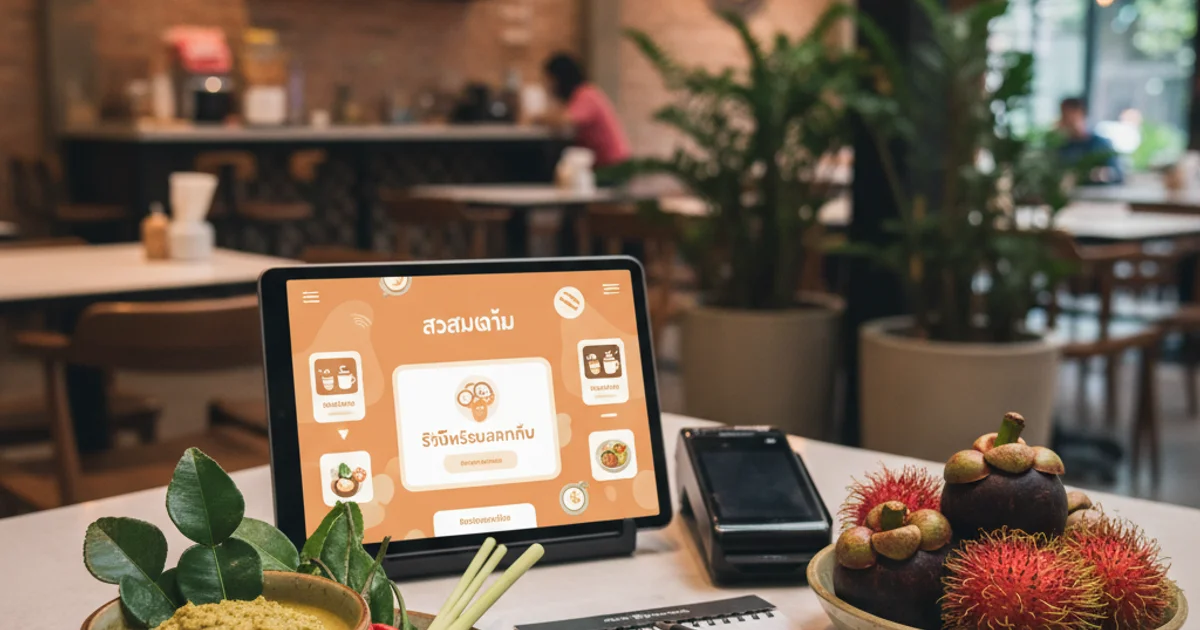
The street food vendor at Chatuchak Weekend Market keeps a notebook. Inside: 200+ customer names, their usual orders, and how often they visit. He's been tracking regulars for three years, all by hand.
Bangkok's F&B scene is brutal. With over 50,000 registered restaurants and countless street vendors, customer retention isn't just smart business—it's survival. Restaurant owners who build systematic customer relationships see significantly higher repeat visit rates than those who rely purely on walk-in traffic.
Why traditional loyalty fails in Thailand's F&B market
Bangkok's dining culture moves fast. Customers hop between vendors, try new spots weekly, and rarely commit to single brands. Traditional punch cards get lost in the humidity. Apps require downloads that many customers skip. Complex point systems confuse more than they convert.
The most successful F&B loyalty programs in Thailand work because they're simple, instant, and mobile-first. A customer scans a QR code, gets immediate value, and can check their progress without downloading anything. This approach works whether you're running a high-end restaurant in Thonglor or a som tam stall in Saphan Phut.
Thai consumers expect convenience above all else. If joining your loyalty program takes longer than ordering food, they won't bother. The sweet spot is under 30 seconds from scan to signup.
Digital stamp cards: the QR code advantage
QR codes solved Thailand's loyalty program adoption problem. Every smartphone can scan them. No app store visits. No account creation friction. Just point, scan, and start collecting stamps.
Here's how it works in practice: A customer visits your restaurant, scans the QR code at checkout, enters their phone number, and immediately gets their first stamp. The digital card lives in their browser. No storage space used. No notifications unless they opt in.
The key insight: stamps create psychological momentum. After collecting 3-4 stamps, customers feel invested. Loss aversion kicks in. They don't want to "waste" their progress by trying a competitor.
Thai restaurants typically set milestones at 5, 8, and 12 stamps. The first reward comes quickly to hook new customers. Subsequent rewards require more visits but offer higher value—free appetizers, birthday specials, or exclusive menu items.
WhatsApp automation for Thai restaurant marketing
Thailand has widespread WhatsApp adoption. It's how people communicate, share photos, and stay connected with brands. Smart restaurant owners use STAMPEDE's WhatsApp automation to turn their loyalty program into a growth engine.
When a customer hits a milestone, they get a WhatsApp message with their reward coupon. When it's their birthday, another message with a special offer. If they haven't visited in 30 days, a "we miss you" message with a comeback incentive.
The automation runs in the background. Set it once, and it works for months. No daily social media posting. No manual message sending. The system identifies inactive customers, celebrates loyal ones, and re-engages those who've drifted away.
Thai consumers respond well to personal touches in WhatsApp messages. Using their name, referencing their favorite dish, or acknowledging their loyalty status makes the automation feel human. The open rates typically exceed 90% because people always check WhatsApp notifications.
Restaurant owners can also broadcast to their entire customer base during slow periods. "Today only: 20% off all curries" sent to 500 loyalty members can turn a quiet Tuesday into a busy one.
Referral programs that work in Bangkok's social culture
Thai dining is inherently social. Friends eat together, colleagues share lunch spots, families gather for weekend meals. Referral programs tap into this natural behavior by rewarding customers for bringing others.
The mechanics are simple: existing customers get a unique referral code. When someone new signs up using that code, both people get rewards. The referrer gets points or a discount. The new customer gets a welcome bonus.
Bangkok restaurant owners see strong referral participation when the rewards are compelling enough. The key is making sharing easy through WhatsApp, Line, or direct SMS. Customers shouldn't have to explain complex point systems to friends.
The most effective referral campaigns offer immediate gratification. "Bring a friend, both get free dessert today" works better than "earn points toward future rewards." Thai consumers prefer instant benefits over delayed ones.
Some Bangkok restaurants run limited-time referral campaigns during grand openings or slow seasons. "First 100 referrals get double rewards" creates urgency and drives word-of-mouth marketing when you need it most.
The STAMPEDE growth engine: retain, grow, engage
Successful F&B loyalty programs in Thailand follow STAMPEDE's three-part cycle: retain existing customers through stamps and rewards, grow the customer base through referrals, and engage everyone through automated messaging.
Each visit generates a stamp. Stamps lead to rewards. Satisfied customers refer friends. New customers enter the loyalty program. WhatsApp automation keeps everyone engaged between visits. The cycle repeats and compounds.
This isn't just customer service—it's growth infrastructure. A restaurant with 1,000 loyalty members can predict revenue more accurately, plan inventory better, and weather slow periods by activating their base through targeted promotions.
STAMPEDE combines all these elements: digital stamp cards create the customer database, referral systems expand it, and WhatsApp automation keeps it active. Restaurant owners who implement all three components see significantly higher customer lifetime value compared to those who rely on walk-in traffic alone.
Common mistakes Thai restaurants make with loyalty
The biggest mistake is overcomplicating the system. Multi-tier programs with bronze, silver, and gold levels confuse customers. Point systems that require mental math ("500 points = 50 baht") slow down adoption. Apps that need updates and permissions create friction.
Another common error is setting milestones too high. If your average customer visits twice a month, don't make the first reward require 15 stamps. They'll give up before reaching it. Start with 3-5 stamps for the first reward, then space subsequent ones appropriately.
Many restaurants also neglect the referral component. They focus entirely on retention but miss the growth opportunity. Your best customers want to share their favorite spots with friends. Make it easy and rewarding for them to do so.
Finally, inconsistent communication kills loyalty programs. If you don't have time to manage social media daily, automate it through WhatsApp. Customers need to hear from you regularly, but it doesn't have to be manual work.
Setting up loyalty programs for Thai restaurants
Start with your POS system doing what it does best: processing orders and payments. STAMPEDE runs alongside it, not integrated with it. This keeps things simple and lets you switch POS providers without losing customer data.
The setup process takes about 30 minutes. Create your stamp card design, set milestone rewards, write your WhatsApp message templates, and generate QR codes for each location. Print the QR codes and place them where customers can easily scan them.
Train your staff on the process: mention the loyalty program at checkout, help customers scan if needed, and redeem coupons when presented. The cashier workflow is identical whether someone pays cash or card—the loyalty program is separate from payment processing.
Monitor three key metrics: signup rate (what percentage of customers join), redemption rate (what percentage of issued coupons get used), and referral rate (what percentage of customers bring friends). These numbers tell you if your program is working and where to optimize.
AI intelligence for smarter restaurant marketing
Modern loyalty programs go beyond basic stamp collection. STAMPEDE's AI intelligence helps Thai restaurant owners understand customer patterns, predict busy periods, and identify at-risk customers before they churn.
Weekly AI reports analyze your customer data and provide actionable recommendations. Which customers haven't visited recently? What's your average time between visits? Which rewards drive the most repeat business? The intelligence layer turns raw loyalty data into business decisions.
AI also powers fraud detection, identifying suspicious patterns like multiple accounts from the same device or unusual redemption behaviors. This protects your reward budget and ensures genuine customers get the benefits they've earned.
For restaurants with multiple locations, AI intelligence provides branch-by-branch breakdowns. Which outlet has the highest customer lifetime value? Where are referrals performing best? This data helps you optimize operations across your entire chain.
Singapore connections: what Thai restaurants can learn
While this article focuses on Thailand, there are valuable lessons from Singapore's F&B scene. Singapore's hawker centers and coffee shops have embraced digital loyalty programs, with many stalls seeing significant increases in repeat customers after implementing QR-based stamp cards.
The key insight from Singapore's market: simplicity wins. Whether you're running a chicken rice stall in a Singapore hawker center or a pad thai cart in Bangkok's Chatuchak Market, customers want the same thing—quick, easy ways to earn rewards without friction.
Singapore's regulatory environment also provides interesting parallels for Thai restaurant owners considering digital marketing compliance and customer data protection as Thailand's digital economy continues to mature.