Last month, a restaurant group owner showed me his spreadsheet. Seven outlets, one loyalty program, zero visibility into which location was actually working.
"We know our total signups," he said. "But I have no idea if it's the CBD branch bringing in professionals or the heartland outlet capturing families. I'm flying blind on where to focus my marketing budget."
He's not alone. Multi-branch restaurant owners across Singapore face the same problem: generic QR codes that funnel everyone into the same loyalty pool, with no way to track which outlet drives engagement.
Why branch attribution matters for restaurant chains
Branch attribution tells you which outlet converts browsers into loyalty members and which locations your customers actually visit most often. Without this data, you're making expansion and marketing decisions based on gut feel instead of customer behavior.
Consider a bubble tea chain with outlets across different neighborhoods. The CBD location might generate more signups during lunch hours, but the heartland outlet could have higher redemption rates and stronger weekend traffic. Generic QR codes hide this intelligence.
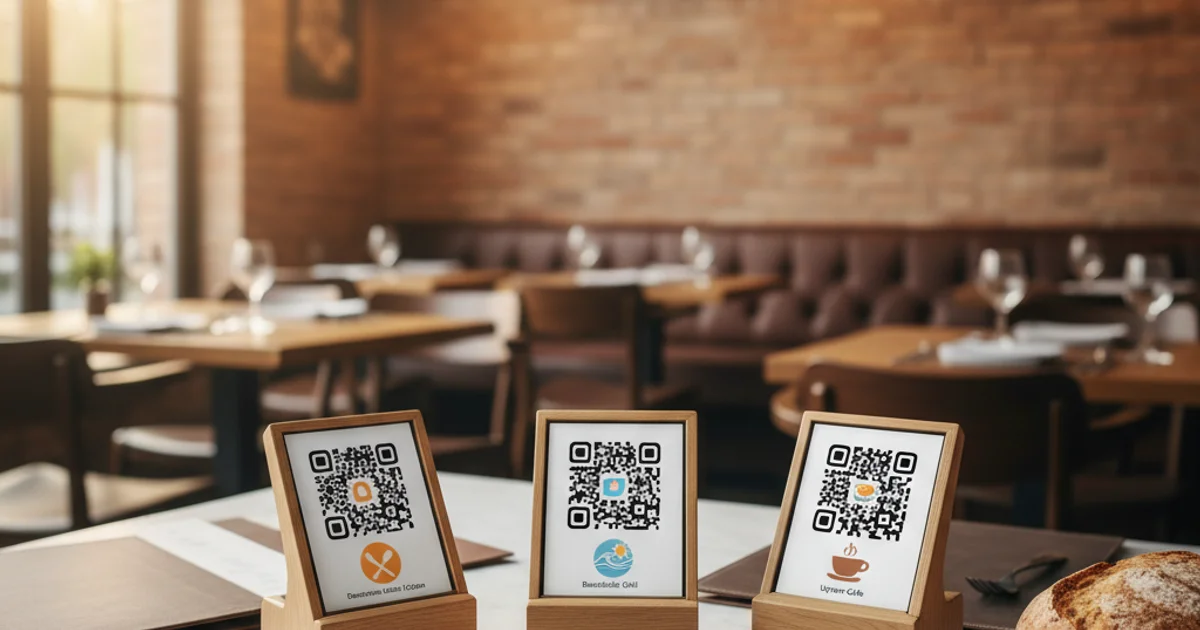
STAMPEDE's multi-branch management system solves this by generating unique codes for each outlet. When a customer scans at Outlet A, their signup gets attributed to that location. When they visit Outlet B next week, you see the cross-branch behavior in your dashboard.
How branch-specific QR codes work in practice
Each outlet gets its own QR code that links to the same loyalty program but tags the signup with location data. The customer experience stays identical: scan, enter phone number, get stamps. But your backend now knows exactly where each member joined.
The QR code for each outlet contains a branch identifier that gets passed to the signup form. When someone scans it, their customer record gets tagged with that specific location. If they visit another outlet next week, you'll see both the original signup source and their cross-branch visit pattern.
This works for any restaurant format. A chicken rice stall expanding from one hawker centre to three locations can track which outlet attracts the most new customers. A café chain can identify which branch converts more visitors into regulars.
The technical implementation is seamless. No app downloads, no separate accounts per branch. One loyalty program, granular location tracking.
Reading your branch attribution data
Your HQ dashboard breaks down signups, stamps, and redemptions by individual outlet. The "New Signups" column shows which location attracts first-time members. The "Total Stamps" column reveals where customers actually spend money. These numbers often tell different stories.
A restaurant near an MRT station might generate high signups from commuters who scan the QR code but rarely return. Meanwhile, a quieter outlet in a residential area could have fewer signups but higher stamp-per-customer ratios, indicating stronger customer loyalty.
The referral attribution adds another layer. When a customer refers a friend, the system tracks which outlet the referrer most frequently visits. This shows you which locations house your most influential customers – the ones who actively bring new business through word-of-mouth.
The cross-branch customer journey
Branch-specific tracking reveals how customers move between your outlets. A customer might join at one branch during lunch, then redeem rewards at another outlet on weekends. This cross-pollination data helps you understand catchment areas and plan inventory accordingly.
Some patterns emerge consistently across restaurant chains in Singapore. CBD outlets see high signup rates during weekdays but low weekend activity. Heartland locations show steady traffic throughout the week with spikes during school holidays. Mall outlets peak during shopping hours and promotional periods.
Understanding these patterns helps you staff appropriately and run location-specific promotions. If one outlet drives 40% of weekend signups, that's where you test new weekend-only rewards or family meal deals.
Connecting branch data to your growth engine
Branch attribution feeds into STAMPEDE's broader growth loop: retain customers with location-specific rewards, grow through branch-targeted referral campaigns, and engage via WhatsApp messages that reference their preferred outlet.
WhatsApp automations can mention the specific branch where a customer usually visits. Instead of a generic "Come back soon," you can send "Your usual table at our Tanjong Pagar outlet misses you." This personalization increases redemption rates because it acknowledges their preferred location.
The referral system can also target high-performing branches. If one outlet consistently converts referrals at twice the rate of other locations, you can run referral bonuses specifically for customers who frequent that branch. They become your location-specific brand ambassadors.
Common mistakes with branch attribution
The biggest mistake is treating all locations identically. Just because your flagship outlet has a 70% redemption rate doesn't mean your newest branch will hit the same numbers immediately. Each location needs time to build its customer base and establish visit patterns.
Another error is ignoring cross-branch behavior. A customer who signs up at Branch A but primarily visits Branch B isn't a "failed" signup for Branch A. They're a successful acquisition that happens to prefer a different location. Your attribution should credit the signup source while tracking actual visit patterns.
Don't over-optimize for signup numbers alone. An outlet that generates fewer signups but higher customer lifetime value often outperforms a high-signup location with poor retention. Balance acquisition metrics with engagement data.
Finally, avoid running identical promotions across all branches. Different locations serve different customer demographics and price sensitivities. Use your branch data to customize offers that match each outlet's customer base.
Setting up branch-specific QR codes
Implementation takes minutes, not weeks. Each outlet gets a unique QR code that you can print as table tents, window stickers, or counter displays. The codes link to the same loyalty program but include branch identifiers that track signups to specific locations.
Staff training is minimal since the customer-facing process stays identical. Customers scan, enter their phone number, and receive stamps. The branch attribution happens automatically when they complete the signup process.
You can generate new QR codes instantly if you open additional outlets or want to test different placements within the same location. A restaurant might use separate QR codes for dine-in tables versus takeaway counters to track which service type drives more loyalty signups.