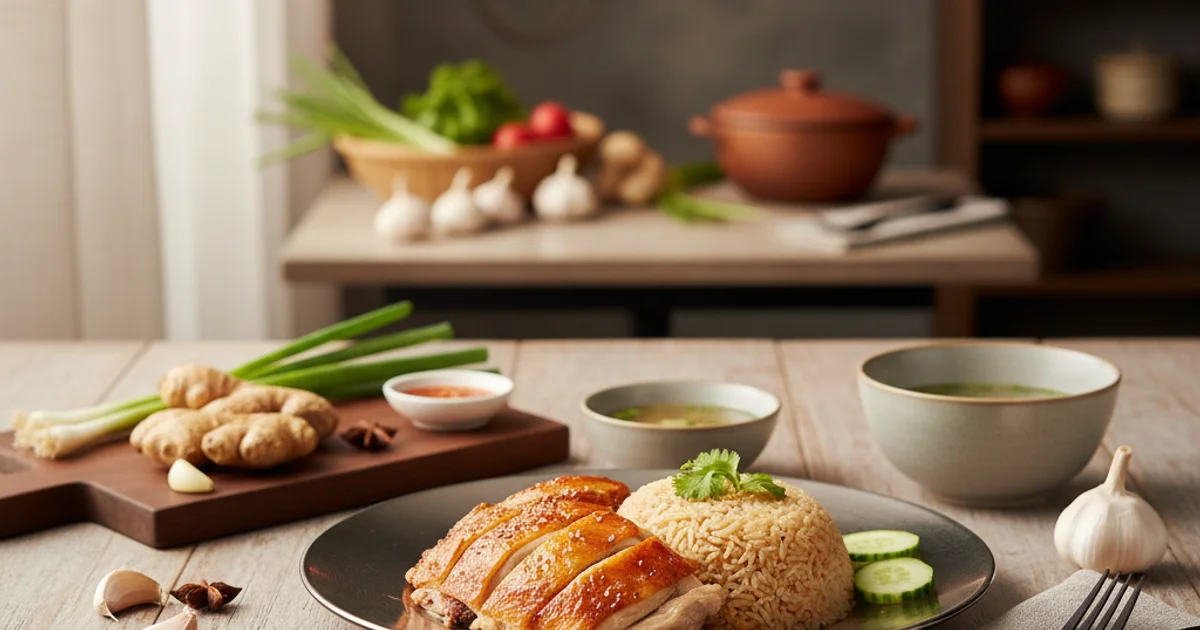
A chicken rice stall owner in Toa Payoh showed me two photos on his phone last week. Same dish. Same lighting. Same angle. One looked like it belonged on a delivery app. The other looked like someone dropped their phone while eating.
"This one gets 40% more clicks on Instagram," he said, pointing to the professional shot. "But I can't afford a photographer every week."
He's not wrong about the impact. Food photos are the first thing customers see on delivery platforms, social media, and Google listings. They make the decision to order before reading a single review or checking the price.
Why food photos actually drive orders
Professional food photography works because it triggers three psychological responses that amateur photos miss: appetite appeal, quality perception, and purchase confidence.
When customers scroll through delivery apps or social feeds, they're not just looking at food. They're imagining the experience of eating it. A blurry, poorly lit photo of char kway teow tells them nothing about taste, freshness, or portion size. A crisp, well-composed shot with visible wok hei steam and glossy noodles tells them everything.
Studies on consumer behavior show that visual presentation significantly impacts purchase decisions across food service platforms. The difference isn't just aesthetic—it's economic.
Professional photos also signal quality before the first bite. Customers use visual cues to judge restaurants they've never tried. A perfectly plated laksa with vibrant garnishes suggests attention to detail. A grainy phone photo of the same dish suggests the opposite, even if the food quality is identical.
The cost problem with traditional food photography
Most Singapore restaurant owners know good photos matter. The problem is cost and logistics.
Professional food photographers in Singapore charge $300-800 per shoot. For a comprehensive menu update across 15-20 dishes, you're looking at $1,500-3,000. Add styling, props, and editing, and the bill climbs higher.
Then there's scheduling. Food photographers book weeks in advance. Your new seasonal menu launches next Tuesday, but the photographer is available next month. By then, you've lost the momentum of fresh offerings and seasonal relevance.
Traditional photography also requires physical coordination. The photographer needs to visit your location during prep hours, style each dish multiple times for different angles, and work around your kitchen operations. It's disruptive and time-intensive.
For hawker stalls, cafes, and single-outlet restaurants, professional photography feels like a luxury reserved for chain restaurants with marketing budgets. Most settle for phone photos and hope customers focus on taste over presentation.
What makes food photography work on delivery platforms
Successful food photos on GrabFood, foodpanda, and social media follow specific visual principles that drive ordering behavior.
Lighting creates appetite appeal. Natural daylight or properly balanced artificial light makes colors pop and textures visible. The difference between a dull, shadowy photo and a bright, vibrant one can double click-through rates on delivery platforms.
Composition guides the eye to key elements. A well-framed photo shows portion size, ingredient quality, and garnish details. Customers need to see what they're buying—the char on grilled meat, the richness of curry, the freshness of vegetables.
Styling makes ordinary dishes look extraordinary. Professional food photography uses techniques like selective focus, strategic garnish placement, and texture enhancement to make familiar dishes appear more appetizing than competitors' versions.
Cultural relevance matters in Singapore's diverse food scene. A plate of nasi lemak styled with chopsticks signals disconnect from local eating culture. Proper styling respects food traditions while enhancing visual appeal.
How AI is changing food photography for restaurants
Artificial intelligence has democratized professional food photography by automating the technical expertise that used to require human photographers.
AI food photography tools can now transform a basic phone photo into a professionally styled image in minutes. You take a picture of your dish with standard lighting. The AI analyzes the food type, applies appropriate styling, adjusts lighting and colors, and generates professional variations.
The technology works by training on thousands of professional food photos to understand composition, lighting, and styling principles. When you upload a photo, the AI identifies the dish type—whether it's noodles, rice, curry, or dessert—and applies the appropriate visual treatment.
Modern AI systems can handle cultural specificity. They understand that Singapore-style chicken rice should be styled differently from Western-style roasted chicken. The AI adjusts props, plating, and presentation to match local food culture and customer expectations.
The complete growth system beyond photos
Professional food photos work best as part of a complete customer acquisition and retention system, not as standalone marketing.
Great photos get customers to place their first order. But what brings them back for a second, third, and tenth order is the complete experience—food quality, service, and ongoing engagement through STAMPEDE's integrated growth platform.
The most successful restaurants use professional photos as the entry point to a loyalty system. Customers discover the restaurant through appealing photos on delivery platforms or social media. They place an order. At pickup or delivery, they're introduced to a digital loyalty program that tracks their visits and rewards repeat business.
This creates the retain → grow → engage flywheel that turns one-time customers into regulars and advocates. Professional photos handle the initial attraction. Digital stamp cards handle retention. Referral systems handle growth. WhatsApp automation handles ongoing engagement with milestone rewards and birthday messages.
A bubble tea chain with multiple outlets across Singapore uses this approach. Professional photos on Instagram and delivery platforms drive initial orders. Digital stamp cards reward frequent purchases with QR code scanning at each visit. Automated WhatsApp messages notify customers about new flavors and birthday rewards. Magic Ads use the same professional photos to target lookalike audiences on Meta platforms. The system compounds—better photos lead to more customers, more customers provide more data for personalized marketing, better marketing increases lifetime value.
Getting professional photos without the professional cost
The traditional photography model—hire a photographer, schedule a shoot, pay per session—is being replaced by AI-powered alternatives that deliver professional results at a fraction of the cost.
Instead of paying $300-800 per shoot, restaurant owners can now get professional-quality photos for under $10 per image using AI tools. The process is simple: take a photo of your dish with decent lighting, upload it to an AI platform, select a styling preset, and receive multiple professional variations within minutes.
The quality gap between AI-generated and human-shot food photography is narrowing rapidly. While AI can't yet match the creativity of top-tier food photographers, it consistently produces images that outperform amateur phone photos on delivery platforms and social media.
For menu updates, seasonal specials, and regular social media content, AI photography provides the volume and speed that traditional photography cannot match. You can photograph and process an entire menu update in an afternoon, not across multiple scheduled shoots.
According to research from the Journal of Business Research, restaurants using enhanced visual content see measurably higher engagement rates across digital platforms. The technology democratizes access to professional-quality marketing materials for businesses of all sizes.