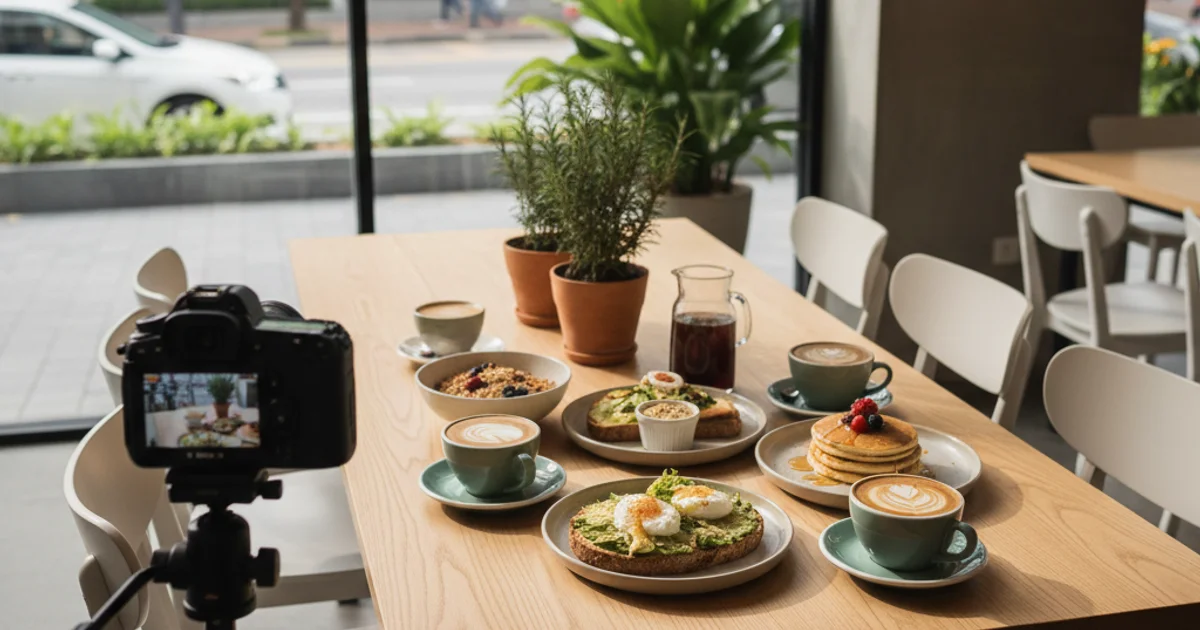
Running a coffee shop in Queenstown means competing with 10 other coffee businesses within walking distance of each MRT station. While foot traffic from IKEA Alexandra and Queensway Shopping Centre brings steady customers, the real challenge is getting noticed by the thousands of residents who pass by daily without stopping. Many coffee shop owners rely on word-of-mouth alone, but that approach leaves money on the table when 87% of Singaporeans are active on Facebook and Instagram.
Why Meta Ads Work for Queenstown Coffee Shops
Meta Ads (Facebook and Instagram advertising) give coffee shops direct access to their ideal customers within a precise geographic radius. Unlike traditional advertising that casts a wide net, Meta's targeting lets you reach coffee drinkers who live within 500 meters of your shop, work at nearby offices, or regularly visit the Alexandra area.
The targeting precision makes all the difference. You can show your specialty coffee ads to professionals heading to work at Alexandra Technopark, parents shopping at IKEA, or residents of the newer private condos along Queensway. F&B posts see 2.5-3.5% engagement rates on Facebook in Singapore, among the highest-performing organic content categories.
Coffee shops in Queenstown that run targeted Meta campaigns typically see 20-40% of their new customers mention seeing their ads, particularly during morning rush hours when commuters are deciding where to grab their daily coffee.
Setting Up Effective Facebook and Instagram Campaigns
Your campaign setup determines whether you'll attract genuine coffee customers or waste budget on irrelevant clicks. Start with the "Traffic" objective to drive visits to your location, not the "Reach" objective that prioritizes impressions over actions.
Geographic targeting should mirror your actual customer base. Set a 1-kilometer radius around your coffee shop to capture residents, office workers, and shoppers in the immediate area. Queenstown's mix of HDB flats and private condos means your audience spans different income levels, so adjust your messaging accordingly.
Age targeting for coffee shops typically performs best with the 25-45 demographic, though morning rush campaigns might skew older (working professionals) while afternoon campaigns can target younger customers (students, freelancers). Interest targeting should include "Coffee," "Specialty Coffee," and local interests like "IKEA" or "Queenstown Shopping" to capture area-specific behavior.
Creative Content That Converts Coffee Drinkers
Visual content drives Meta Ads performance, especially for coffee shops where the product is inherently photogenic. Your best-performing ads will showcase your coffee, environment, and unique selling points through high-quality photos and videos.
Product photography should emphasize quality and craftsmanship. Close-up shots of latte art, beans being ground, or steam rising from a fresh cup perform consistently well. Lifestyle shots showing customers enjoying coffee in your space help potential customers visualize themselves visiting. Avoid stock photos — authentic content from your actual location builds trust and recognition.
Video content typically outperforms static images on both Facebook and Instagram. Short videos (15-30 seconds) showing your barista preparing a signature drink, the morning rush atmosphere, or a quick tour of your space generate higher engagement rates. The key is authenticity over polish — customers want to see the real experience they'll get.
Your ad copy should address specific customer needs rather than generic coffee messaging. "Fresh-roasted single-origin coffee 2 minutes from Queenstown MRT" speaks directly to commuters. "Quiet corner tables with WiFi, perfect for laptop work" targets remote workers and students. Specific benefits outperform general quality claims.
Measuring Success and ROI for Coffee Shop Ads
Meta Ads success for coffee shops goes beyond click-through rates and impressions. The metrics that matter are foot traffic, new customer acquisition, and repeat visits during the weeks following your campaign.
Track offline conversions through customer surveys and loyalty programs. Ask new customers how they heard about you, and note patterns in the responses during active campaign periods. Many coffee shops see a 2-3 week lag between ad exposure and first visit, as customers often save new coffee spots for when they're in the area.
With over 13,000 F&B establishments vying for the attention of only 5.7 million residents, Singapore's extremely competitive F&B sector makes retention economics particularly crucial.
Cost per result varies significantly based on targeting precision and creative quality. Well-targeted coffee shop campaigns in Queenstown typically see cost-per-click between SGD 0.80-2.50, with conversion rates (ad click to store visit) ranging from 15-35% depending on the offer and timing.
Campaign timing affects both cost and effectiveness. Morning campaigns (6-9 AM) targeting commuters cost more but convert better for coffee sales. Afternoon campaigns (2-5 PM) are cheaper and work well for promoting your space as a work-friendly environment. Weekend campaigns should focus on leisure visits and specialty drinks rather than convenience.
Budget Allocation and Campaign Optimization
Most successful coffee shops in Queenstown start with SGD 200-400 monthly ad budgets, split between brand awareness and direct response campaigns. This budget allows for consistent visibility without overwhelming your capacity to serve new customers.
Allocate 60% of budget to geographic targeting and 40% to interest-based targeting. Geographic campaigns capture customers in your immediate area, while interest targeting finds coffee enthusiasts who might travel slightly further for quality. This split helps balance immediate foot traffic with longer-term brand building.
Campaign optimization requires weekly monitoring and monthly adjustments. Pause ads that aren't generating foot traffic after two weeks of data. Double down on creative content and targeting combinations that show strong offline conversion rates. Seasonal adjustments matter — promote iced drinks during hot weather and cozy atmosphere during rainy periods.
By 2031, the Singapore foodservice market is expected to reach USD 79.73 billion, increasing from its 2025 value of USD 28.92 billion at an 18.42% CAGR, with quick-service restaurants contributing 66.88% of the revenue.
A/B testing should focus on practical elements: different coffee photos, various time-of-day messaging, and location-specific references. Test whether mentioning proximity to IKEA, Queensway Shopping Centre, or specific MRT stations improves click-through rates from your target audience.
Integration with Loyalty Programs and Customer Retention
Meta Ads work best when integrated with a broader customer retention strategy. Your advertising should drive first visits, but your loyalty program ensures those customers return regularly and become profitable long-term relationships.
Connect ad campaigns to specific offers that encourage loyalty program signup. "Free upgrade to large size with membership signup" gives new customers immediate value while capturing their contact information for future marketing. This approach turns ad spend into a customer acquisition investment rather than just a one-time visit generator.
Digital loyalty programs complement Meta Ads by providing data on customer behavior patterns. You can retarget customers who haven't visited recently, create lookalike audiences based on your best customers, and adjust ad messaging based on actual purchase patterns rather than assumptions.
For more insights on building comprehensive customer retention strategies, check out our guide on WhatsApp marketing for coffee shops and our analysis of effective CRM systems for restaurants.
The combination of targeted advertising and systematic retention creates a sustainable growth engine. New customers discover you through Meta Ads, experience your coffee quality and service, then return regularly through loyalty program incentives and targeted follow-up communications.
---