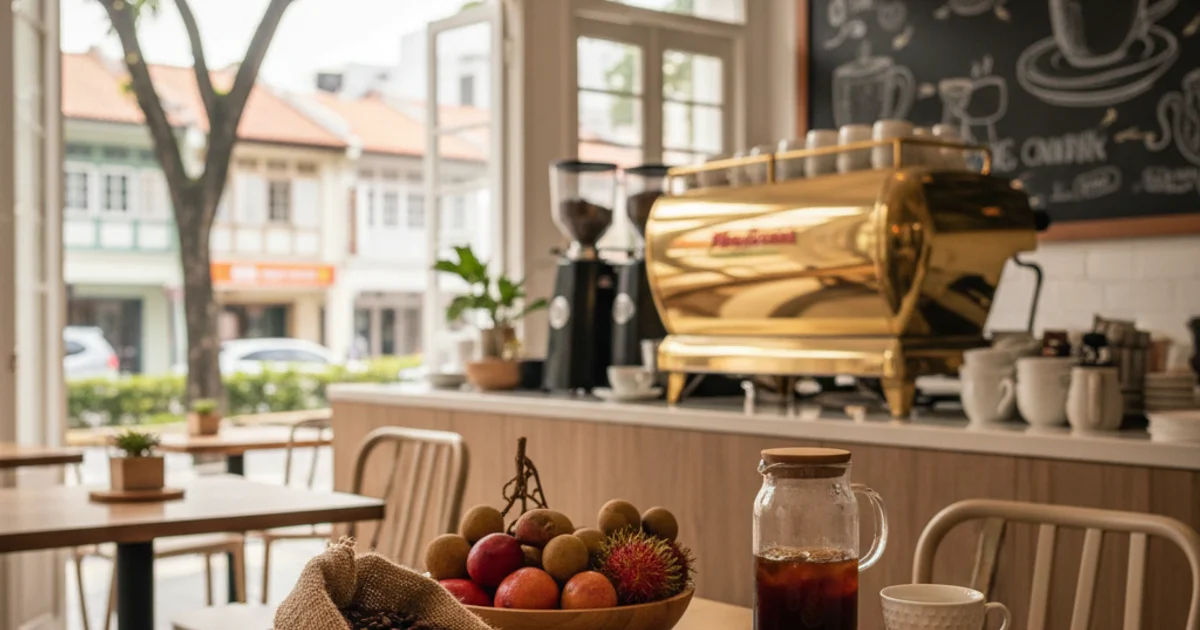
Running a cafe in Katong means competing with established names like Kings Cart Coffee Factory and The Brewing Ground, where customer loyalty can make or break your monthly revenue. When every coffee shop within walking distance offers similar drinks and ambiance, the difference between thriving and barely surviving often comes down to one thing: getting your existing customers to bring their friends.
Why Katong Cafes Need Strategic Referral Programs
Referral programs turn your best customers into active promoters, creating a sustainable growth engine that doesn't depend on expensive advertising. In a heritage neighborhood like Katong, where word-of-mouth travels fast through the Peranakan shophouse community, a well-designed referral system can generate consistent foot traffic without the ongoing costs of Meta ads or food delivery commissions.
A strategic referral program rewards both the referrer and the new customer, creating a win-win scenario that drives authentic recommendations.
Singapore's F&B sector is brutally competitive — over 13,000 F&B establishments compete for attention in a city-state of just 5.7 million residents, which is why retention economics matter more here than almost anywhere else.
The most successful cafes in Katong understand that acquiring a new customer costs five times more than retaining an existing one. Referral programs flip this equation by turning your loyalty program members into a distributed sales team. When a regular customer at PRAIRIE by Craftsmen tells a friend about their excellent flat white, that recommendation carries more weight than any Instagram ad.
STAMPEDE's referral system integrates directly with your digital loyalty program, automatically tracking when referred customers make their first purchase and rewarding both parties. This creates a measurable, scalable growth channel that compounds over time.
Setting Up Referral Rewards That Drive Action
The structure of your referral rewards determines whether customers will actually share your brand or simply ignore the program. Successful Katong cafes use a two-sided reward system where both the referrer and the new customer receive meaningful benefits.
Effective referral rewards provide immediate value to new customers while offering ongoing benefits to your existing members. Consider offering new customers a "Buy One Get One" deal on their first visit, while giving referrers a free specialty drink or 20% off their next order. This structure removes the barrier for newcomers while providing tangible appreciation for your advocates.
WhatsApp Business messages achieve a 98% open rate, vastly exceeding email's typical 20% — which is why restaurants serious about retention are moving critical reminders to WhatsApp.
The timing of rewards matters as much as their value. STAMPEDE's system can trigger referral rewards immediately when the referred customer completes their first purchase, sending both parties a WhatsApp notification with their earned benefits. This instant gratification reinforces the referral behavior and encourages repeat sharing.
For cafes targeting the morning coffee rush, consider offering time-specific bonuses like "Refer a friend this week and both get free coffee during happy hour (2-4 PM)." This drives referrals during slower periods while introducing new customers to off-peak hours.
Digital Tracking vs Manual Referral Methods
Traditional referral tracking relies on customers mentioning a friend's name at checkout, creating friction and missed attributions. Digital systems eliminate guesswork while providing detailed analytics on your referral program's performance.
Digital referral tracking captures every conversion automatically, while manual methods miss up to 60% of actual referrals due to customer forgetfulness and staff inconsistency. STAMPEDE generates unique referral codes for each customer, making sharing as simple as tapping a button in their mobile wallet. When friends use the code during signup, the system automatically attributes the referral and triggers rewards.
This automation extends beyond the initial referral. The platform tracks the lifetime value of referred customers, showing you which advocates bring the highest-quality new members. A regular customer who refers five people who each visit twice monthly is more valuable than someone who refers ten one-time visitors.
Manual tracking also creates opportunities for fraud and disputes. When customers claim they referred someone but staff didn't record it, you're stuck choosing between disappointing a loyal customer or giving away unearned rewards. Digital systems maintain an immutable record of all referral activities, protecting both your revenue and customer relationships.
The data insights from digital tracking help optimize your program over time. You might discover that referrals convert best on weekends, or that certain reward types drive more sharing than others. These insights let you refine your approach based on actual behavior rather than assumptions.
WhatsApp Integration for Referral Sharing
Singapore has one of the highest WhatsApp penetration rates in the world — 87% of Singaporeans use WhatsApp, and the average user spends 2 hours 17 minutes on social platforms daily (Hashmeta).
WhatsApp sharing makes referrals feel natural rather than promotional. Instead of asking customers to remember a code or carry physical referral cards, they can share their unique link directly through their most-used messaging app.
WhatsApp referral sharing removes friction from the sharing process while providing instant notifications when friends sign up. STAMPEDE's integration includes pre-written sharing messages that customers can customize, making it easy to recommend your cafe in a personal, authentic way.
The platform can also send automated WhatsApp updates to referrers when their friends visit for the first time, complete milestones, or claim rewards. This ongoing feedback loop keeps your advocates engaged and encourages continued sharing.
For Katong's diverse community, consider offering referral messages in multiple languages. The system can detect customer preferences and suggest appropriate sharing templates, making your program accessible to both English-speaking professionals and Mandarin-speaking residents.
Measuring Referral Program Success
Tracking the right metrics separates successful referral programs from those that drain resources without delivering results. Focus on quality indicators rather than vanity metrics like total referral code shares.
The most important referral metrics are conversion rate (how many referred visitors become customers), retention rate (how long referred customers stay active), and lifetime value (total spending from referred customers). A program that generates 100 referrals with a 10% conversion rate outperforms one that creates 200 referrals with a 3% conversion rate.
The Singapore foodservice market is projected to grow from USD 28.92 billion in 2025 to USD 79.73 billion by 2031, an 18.42% CAGR, with quick-service restaurants holding 66.88% of revenue (Mordor Intelligence).
Monitor the viral coefficient — how many new customers each referred customer brings in turn. A viral coefficient above 1.0 means your referral program is self-sustaining, with each new customer eventually bringing more than one additional customer. This compounds your growth without increasing acquisition costs.
Track referral attribution windows to understand when conversions typically happen. If most referred customers visit within 48 hours of receiving a link, you might offer time-limited bonuses to create urgency. If conversions happen over several weeks, focus on nurturing referred leads through follow-up messages.
Cost per acquisition through referrals should be significantly lower than paid advertising channels. Calculate the total cost of referral rewards divided by the number of new customers acquired. Compare this to your Meta ads cost per customer or food delivery platform fees to validate your program's efficiency.
Common Referral Program Mistakes to Avoid
Many cafes launch referral programs with good intentions but poor execution, leading to disappointing results and wasted resources. Understanding these common pitfalls helps you design a program that actually drives growth.
The biggest referral program mistake is making rewards too small to motivate sharing or too large to maintain profitability. A free cookie might not inspire someone to actively promote your cafe, while offering a free meal could eliminate your profit margin on new customers. Test different reward levels to find the sweet spot that drives sharing without destroying unit economics.
Complicated sharing processes kill referral momentum before it starts. If customers need to remember codes, fill out forms, or explain complex rules to friends, they simply won't participate. Keep the sharing process to one or two taps, with clear instructions and immediate confirmation.
Enterprise Singapore's Food Services industry programme funds productivity upgrades, manpower training, and digital transformation for local F&B operators — a backdrop worth knowing when you're weighing where to spend on your own marketing stack.
Failing to promote your referral program internally is another common oversight. Even the best-designed system won't work if customers don't know it exists. Train staff to mention referral opportunities during checkout, display QR codes prominently, and include referral calls-to-action in your existing marketing materials.
Setting unrealistic expectations about viral growth can lead to premature program abandonment. Referral programs typically start slowly as customers learn about the system and build confidence in sharing. Give your program at least three months to gain momentum before making major changes.
Integration with Existing Loyalty Systems
Your referral program should complement, not compete with, your existing loyalty initiatives. The most effective approach treats referrals as an accelerator for your core retention strategy rather than a separate system.
Successful integration means referral rewards enhance your loyalty program's value proposition while maintaining consistent customer experience across all touchpoints. If your loyalty program offers a free drink after 10 stamps, referral rewards might provide bonus stamps or exclusive menu access rather than conflicting benefits.
STAMPEDE's platform unifies referrals with digital stamp cards, milestone rewards, and automated messaging, creating a cohesive customer journey. When someone refers a friend, both parties can see their progress toward loyalty milestones, reinforcing engagement with your broader retention ecosystem.
Consider using referral success as a trigger for advanced loyalty tiers. Customers who successfully refer three friends might unlock VIP status with exclusive menu previews or priority ordering during busy periods. This progression system encourages continued advocacy while deepening relationships with your most valuable customers.
The integration should also extend to your point-of-sale system and staff training. When a referred customer visits, staff should acknowledge the referral and ensure both parties receive their promised rewards. This human touch reinforces the digital experience and builds confidence in your program's reliability.
For more insights on digital loyalty strategies, explore our guide on WhatsApp Marketing for Woodlands Coffee Shops: Build Regulars and learn about comprehensive retention approaches in our OMMA Chicken Soup case study. You can also discover broader customer engagement strategies in our blog.
---