Last month, a hawker stall owner showed me their customer notebook. Three hundred names written by hand. "I know my regulars," the owner said. "But I can't tell who's stopped coming."
That's the invisible leak every restaurant has. Customers don't announce when they leave. They just... stop. One week becomes two. Two becomes forever. By the time you notice, they're already eating somewhere else.
The solution isn't better food or lower prices. It's better timing.
The three moments that matter
Restaurant churn happens in silence. But there are three moments when you can interrupt it before it becomes permanent.
Moment 1: Right after signup. New customers are fragile. They joined your loyalty program, but they haven't formed a habit yet. Without a reason to return quickly, they forget you exist.
Moment 2: Their birthday. Every customer has exactly one day per year when they expect special treatment. Miss it, and you've missed the easiest retention opportunity in your calendar.
Moment 3: Before their reward expires. They earned something. They haven't claimed it. In 48 hours, it disappears forever. This is your last chance to bring them back.
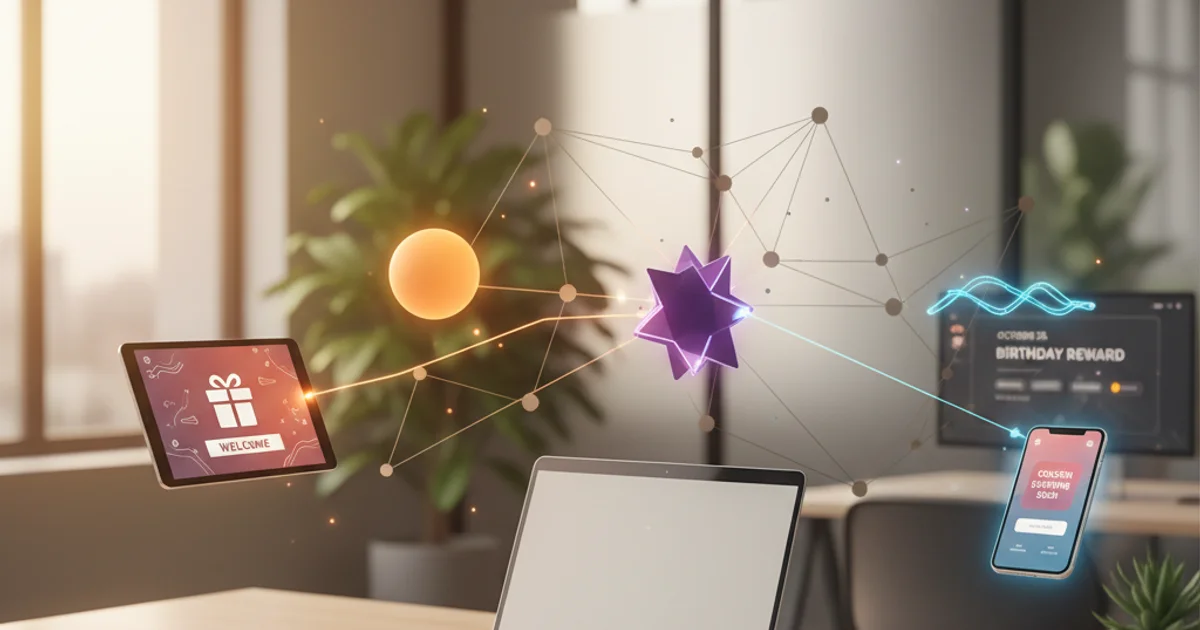
These three triggers — welcome rewards, birthday rewards, and expiry reminders — form the retention backbone of any restaurant loyalty program.
Welcome rewards: The 48-hour window
A new loyalty member is not a loyal customer yet. They're a person who gave you their phone number once. The welcome reward is your audition for their repeat business.
Most restaurants get this backwards. They make customers wait. "Earn 10 stamps, get a free appetizer." But a new customer doesn't want to work for a reward. They want proof that joining was worth it.
The welcome reward should be immediate and valuable enough to justify a second visit within 48 hours. A free dessert with their next main course. Twenty percent off their next order. A complimentary drink with any entrée.
The psychology is simple. If someone redeems their welcome reward within 48 hours, they've now visited twice in two days. That's the beginning of a pattern. If they don't redeem it within a week, they probably never will.
Welcome rewards work because they compress the loyalty timeline. Instead of waiting months to see if someone becomes a regular, you know within days.
Birthday rewards: The annual retention ritual
Your customers' birthdays are the only marketing calendar that matters. Not Chinese New Year. Not Valentine's Day. Not your restaurant's anniversary. Their personal celebration day.
Birthday rewards have a 90%+ open rate on WhatsApp because they feel personal, not promotional. The customer knows you remembered. They know this message was sent specifically to them, not blasted to everyone.
But timing matters. Send it too early, and they'll forget by their actual birthday. Send it too late, and they've already celebrated somewhere else. The sweet spot is 24-48 hours before their birthday, with a validity period that covers the birthday itself plus a few days after.
The reward should feel like a gift, not a discount. "Happy birthday! Here's your complimentary birthday dessert" hits differently than "Happy birthday! Here's 10% off your next order."
Coupon expiry reminders: The last-chance trigger
This is where most restaurants leave money on the table. A customer earned a reward. They haven't used it. In 48 hours, it expires. You have two choices: let it disappear quietly, or remind them it exists.
The expiry reminder is your final retention trigger before that customer becomes truly inactive. It's not about the coupon itself. It's about creating one last touchpoint before they drift away completely.
The message should create urgency without being pushy. "Your free appetizer expires in 2 days" is better than "Don't miss out! Limited time offer!" The first is informational. The second feels like spam.
Some customers will ignore the reminder anyway. That's fine. The goal isn't 100% redemption. It's making sure nobody loses a reward because they forgot it existed.
How the triggers connect to growth
These three retention triggers don't just prevent churn. They feed into your restaurant's broader growth engine.
Welcome rewards create immediate engagement. A customer who redeems their welcome reward within 48 hours is more likely to refer friends. They've had two positive experiences in two days. They're excited. Excitement spreads.
Birthday rewards generate social proof. People post their birthday meals on Instagram. They tag friends. They mention where they celebrated. A birthday reward doesn't just retain one customer — it advertises to their entire social circle.
Expiry reminders rescue at-risk relationships. A customer who hasn't visited in three weeks but redeems their expiry reminder coupon is back in your retention loop. They might earn another reward that week. The cycle continues.
This is how loyalty compounds. Each trigger doesn't just solve its immediate problem (welcome hesitation, birthday forgetfulness, coupon waste). It feeds data and momentum into the next stage of your growth flywheel: retain → grow → engage.
The automation advantage
Manual birthday tracking doesn't scale. Neither does remembering which coupons expire when. The restaurants that execute these triggers consistently are the ones that automate them.
WhatsApp automation for restaurants handles the delivery. The loyalty platform handles the logic. You handle the strategy.
When a customer joins your loyalty program, the welcome reward triggers automatically. When they enter their birthday, the system schedules their annual message. When they earn a coupon, the expiry countdown begins.
The alternative is hoping you remember. Or hoping they remember. Neither is a business strategy.
Common mistakes to avoid
Mistake 1: Making welcome rewards too small. A 5% discount doesn't justify a second visit. Make it significant enough to change behavior.
Mistake 2: Sending birthday messages to everyone on the same day. If 50 customers share a birthday (because they entered fake dates), your automation looks fake. Validate birthday entries or accept that some will be wrong.
Mistake 3: Setting expiry periods too short. A coupon that expires in 24 hours creates panic, not convenience. Give customers at least a week to redeem.
Mistake 4: Using the same message template for every trigger. Welcome messages should feel welcoming. Birthday messages should feel celebratory. Expiry messages should feel helpful. One tone doesn't fit all.
Mistake 5: Not tracking redemption rates. If only 10% of your welcome rewards get redeemed, the problem isn't the automation — it's the reward itself.