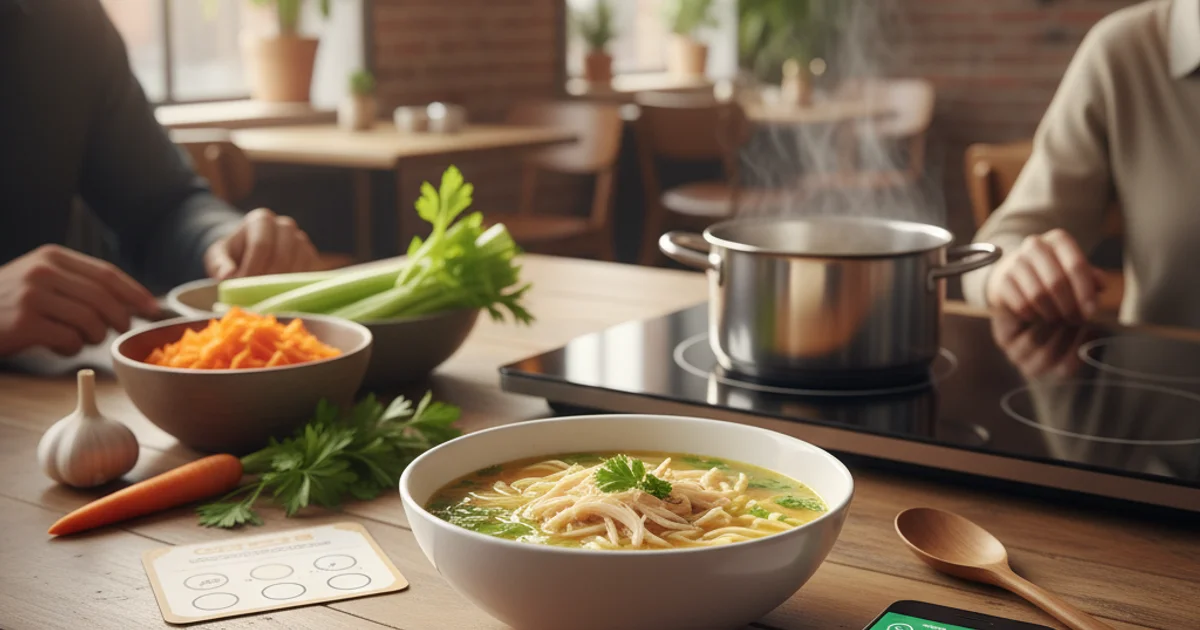
Last month, a chicken soup restaurant sent a simple WhatsApp message to their loyalty members: "You have 8 stamps. One more to your next free bowl. We miss you."
Within 24 hours, 47 customers walked through their doors.
That's the power of WhatsApp marketing for restaurants. Not email (which sits in spam folders). Not push notifications (which only work if customers install your app). WhatsApp lands directly in the pocket where Singaporeans spend 2+ hours daily.
But most restaurant owners send the wrong messages at the wrong time. They blast promotional content without context. They interrupt instead of invite. They sell instead of serve.
The 12 WhatsApp message templates below fix this. Each one is triggered by specific customer behavior, delivers immediate value, and creates a reason to return. Used together, they turn one-time diners into weekly regulars.
Why WhatsApp works for restaurant marketing
WhatsApp messages see 98% open rates within 3 minutes of delivery. Compare that to email marketing's 20% open rate, or SMS's 85% rate with carrier filtering issues.
Singapore has 5.9 million WhatsApp users — nearly the entire population. Your customers are already there, checking messages throughout the day.
But WhatsApp marketing isn't about blasting promotions. It's about building relationships through relevant, timely communication that feels personal rather than automated.
The key is behavioral triggers. Send the right message based on what the customer just did (earned a stamp, claimed a reward, hasn't visited in two weeks) rather than calendar-based campaigns everyone receives on the same day.
Template category 1: Welcome sequence
1. Welcome message (immediate after signup)
Trigger: Customer signs up for loyalty program
Timing: Within 60 seconds
Hi [Name]! 🎉 Welcome to [Restaurant Name]'s loyalty program.
Your digital stamp card is ready. Collect [X] stamps to earn [reward].
Show this QR code at checkout to earn stamps: [QR code link]
Questions? Just reply to this message.
Why it works: Sets expectations immediately. Customers know what they get, how to get it, and how to use it. The QR code link ensures they can access their card even if they lose the original signup page.
Results: This template typically sees 15-20% immediate engagement (customers clicking the QR link or replying with questions).
2. First visit confirmation
Trigger: Customer earns their first stamp
Timing: Within 5 minutes of stamp scan
Thanks for visiting [Restaurant Name]! ✅
You earned your first stamp. [X-1] more to your next reward.
Your stamp card: [link]
Rate your experience: [feedback link]
Why it works: Confirms the system worked. Builds momentum toward the first reward. The feedback link creates a two-way conversation channel.
Local context: Singapore diners expect confirmation. Whether it's a kopitiam receipt or a hawker stall nod, acknowledgment matters in our service culture.
Template category 2: Milestone celebrations
3. Milestone achievement
Trigger: Customer earns a reward
Timing: Immediately after qualifying stamp
🎉 Congratulations [Name]!
You've earned a [reward description]. Valid for 30 days.
Claim it here: [coupon link]
Thanks for being a loyal customer!
Why it works: Immediate gratification. The reward feels earned, not given. The 30-day validity creates gentle urgency without pressure.
Personalization tip: Customize the celebration emoji based on the reward type. 🍜 for free meals, 🥤 for drinks, 🎂 for birthday rewards.
4. Near-milestone nudge
Trigger: Customer is 1-2 stamps away from next reward
Timing: 7 days after last visit
Hi [Name]! 👋
You're so close! [X] more stamps to your next [reward].
We're open today until [closing time]. See you soon?
Your stamp card: [link]
Why it works: Creates completion urgency. The "so close" psychology taps into loss aversion — customers don't want to waste progress already made.
Timing note: 7 days hits the sweet spot. Too soon feels pushy. Too late and they might have forgotten about the program.
Template category 3: Win-back campaigns
5. 14-day inactive nudge
Trigger: Customer hasn't visited in 14 days
Timing: Exactly 14 days after last stamp
We miss you at [Restaurant Name]! 😊
It's been 2 weeks since your last visit. Everything okay?
Here's 10% off your next meal to welcome you back: [coupon link]
Valid for 7 days. Hope to see you soon!
Why it works: Personal tone without being clingy. The "everything okay?" shows genuine care. The 7-day validity prevents the coupon from becoming a "someday maybe" bookmark.
Local insight: Singaporeans appreciate directness mixed with warmth. This template strikes that balance.
6. 30-day deep win-back
Trigger: Customer hasn't visited in 30 days
Timing: 30 days after last stamp
[Name], we really miss you! 💔
Your last visit was a month ago. Did we do something wrong?
Here's a [significant reward] to bring you back: [coupon link]
If you'd prefer not to receive these messages, reply STOP.
We hope to serve you again soon.
Why it works: Vulnerable without being desperate. Acknowledges the time gap honestly. Offers an easy opt-out to respect customer choice.
Reward sizing: Make this offer significantly better than the 14-day nudge. Free appetizer vs 10% off, or free main vs free drink.
Template category 4: Special occasions
7. Birthday reward
Trigger: Customer's birthday (if provided)
Timing: 7 AM on birthday
🎂 Happy Birthday [Name]!
Celebrate with us today! Here's a special birthday treat: [reward]
Claim anytime this month: [coupon link]
Hope your day is amazing!
Why it works: Personal and unexpected. Monthly validity removes birthday-day pressure. Most restaurants only offer same-day birthday deals, so monthly validity feels generous.
Cultural note: In Singapore's multicultural context, birthday celebrations span different traditions. Keep the message inclusive and warm rather than assuming specific celebration styles.
8. Holiday/festival greetings
Trigger: Major holidays (CNY, Deepavali, Hari Raya, Christmas)
Timing: 1-2 days before holiday
Wishing you and your family a wonderful [Holiday Name]! 🏮
Celebrating with us? We're open [holiday hours] with special dishes.
Book ahead or walk in. We'd love to be part of your celebration.
[Restaurant Name] team
Why it works: Relationship-building, not sales-focused. Provides practical information (holiday hours) that customers actually need. Positions the restaurant as part of their celebration, not just a vendor.
Template category 5: Referral activation
9. Referral invitation
Trigger: Customer earns their second reward
Timing: 24 hours after second reward claim
[Name], you clearly love [Restaurant Name]! ❤️
Know someone else who'd enjoy our [signature dish]?
Refer a friend and you both get [reward]. Here's your referral code: [CODE]
Share: [WhatsApp share button]
Why it works: Timing matters. Second reward means they're genuinely engaged, not just trying you out. The mutual reward (both referrer and referee benefit) feels fair rather than exploitative.
Share mechanics: The WhatsApp share button pre-populates a message they can send to friends, reducing friction.
10. Referral success celebration
Trigger: Someone signs up using customer's referral code
Timing: Within 30 minutes of referral signup
🎉 Great news [Name]!
Your friend [Friend Name] just joined using your referral code.
You've both earned [reward]! Claim yours here: [link]
Thanks for spreading the love!
Why it works: Immediate positive reinforcement. Mentioning the friend's name makes it feel personal and real. Creates a positive association between referring friends and getting rewards.
Template category 6: Engagement and feedback
11. Post-visit feedback request
Trigger: Customer redeems a coupon
Timing: 2 hours after redemption
Hi [Name]! 👋
Thanks for redeeming your [reward] today. How was everything?
Rate your experience (30 seconds): [feedback link]
Your feedback helps us serve you better.
Why it works: Asks for feedback when the experience is fresh. The 30-second time estimate reduces perceived effort. Positions feedback as helping them get better service, not helping the restaurant.
Timing rationale: 2 hours allows them to finish their meal and reflect, but not so long that they forget the details.
12. Menu update announcement
Trigger: New menu items added
Timing: Tuesday 11 AM (lowest restaurant traffic day)
Something new at [Restaurant Name]! 👨🍳
We just added [new dish/drink] to our menu.
First 50 customers to try it get [small reward].
See you soon!
Why it works: Creates exclusivity with the "first 50" limit. Tuesday timing means the message doesn't compete with weekend plans or Monday work stress. Small reward removes the risk of trying something new.
The WhatsApp automation system
These 12 templates work together as a system, not individual campaigns. Here's how they connect:
Customer journey mapping: Each message triggers based on where the customer is in their relationship with your restaurant. New signup → first visit → milestone progress → potential churn → win-back → referral activation.
Behavioral triggers beat calendar campaigns: Instead of sending the same promotion to everyone on Monday, these messages respond to individual customer actions. Someone who earned 8 stamps gets the near-milestone nudge. Someone who hasn't visited in 2 weeks gets the win-back message.
Frequency capping: Customers receive maximum 2 messages per week to avoid fatigue. Priority goes to milestone celebrations and time-sensitive offers.
Opt-out respect: Every message includes easy opt-out options. Better to lose a non-engaged contact than annoy them into negative reviews.
The restaurant loyalty and retention system creates the customer database that makes these WhatsApp campaigns possible. Without knowing who your customers are and what they've done, you can't send relevant messages.
WhatsApp message best practices for restaurants
Timing optimization: Send messages when customers are most likely to make dining decisions. 11 AM (lunch planning), 3 PM (dinner planning), 7 PM (tomorrow's meals). Avoid early morning, late night, and meal times.
Local language mixing: Singapore customers appreciate English mixed with local terms. "Your makan session earned you a stamp!" or "Lim kopi with us soon?" feels more personal than formal English.
Visual elements: WhatsApp supports emojis and simple formatting. Use them strategically for visual breaks and emotional tone, but don't overdo it. One emoji per message maximum.
Response handling: Set up auto-replies for common questions (opening hours, location, menu items). For complaints or complex issues, route to human staff immediately.
Compliance considerations: Under Singapore's Personal Data Protection Act, customers must opt-in to marketing messages. Always include opt-out options and honor unsubscribe requests immediately.
Integration with restaurant operations
WhatsApp automation works best when integrated with your existing restaurant operations, not as a separate marketing channel.
Staff training: Your cashiers become the first touchpoint for the loyalty program. Train them to mention the program at checkout and help customers scan the QR code if needed.
POS independence: These WhatsApp messages work alongside any POS system without requiring integration. Your POS handles transactions. WhatsApp handles the relationship.
Kitchen coordination: When customers redeem coupons via WhatsApp, the redemption shows up on their digital stamp card. Staff can verify quickly without paper vouchers or complex systems.
Multi-outlet management: For restaurant chains, each outlet can have branch-specific messages while maintaining centralized campaign management. A customer who visits your Orchard outlet gets location-relevant information.
The restaurant referral program system amplifies these WhatsApp messages by giving customers a reason to share them with friends. When someone receives a referral invitation via WhatsApp, they're more likely to act because it came from a trusted contact.
Measuring WhatsApp campaign performance
Open rates: WhatsApp doesn't provide read receipts for business messages, but you can track link clicks from each template to measure engagement.
Response rates: Track how many customers reply to your messages. High response rates indicate good message relevance and timing.
Conversion tracking: Measure how many WhatsApp recipients visit your restaurant within 7 days of receiving each message type. This shows real business impact, not just engagement metrics.
Revenue attribution: Connect WhatsApp campaigns to actual sales by tracking coupon redemptions and stamp activity from message recipients.
Customer lifetime value: Monitor whether customers who receive WhatsApp messages visit more frequently and spend more over time compared to non-WhatsApp customers.
STAMPEDE's WhatsApp automation includes built-in analytics that track these metrics automatically, showing which message types drive the most visits and revenue for your specific restaurant.
Advanced WhatsApp strategies
Segmentation by behavior: Send different messages based on customer visit patterns. Weekly regulars get different content than monthly visitors or first-time customers.
Seasonal campaign integration: Adapt these core templates for seasonal promotions (CNY reunion dinners, Ramadan breaking fast, Christmas parties) while maintaining the behavioral trigger approach.
Cross-promotion opportunities: Use WhatsApp to promote special events, cooking classes, or catering services to your most engaged loyalty members first.
Staff appreciation: Occasionally send messages that highlight your team ("Chef Ahmad created a new laksa recipe this week") to build personal connections between customers and staff.
Community building: Share behind-the-scenes content occasionally — new ingredient sourcing, kitchen renovations, staff achievements — to make customers feel part of your restaurant's story.
The key is maintaining the balance between automation and personalization. These templates provide the structure, but successful restaurants customize the tone, timing, and offers based on their specific customer base and local market conditions.