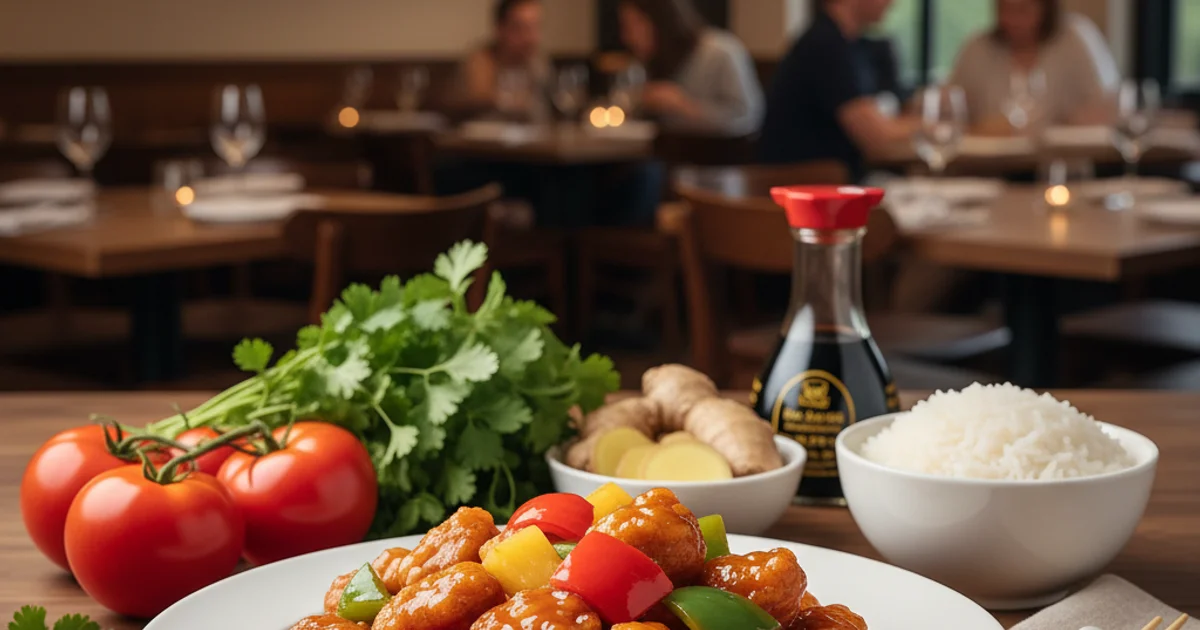
Last week, a zi char stall owner in Ang Mo Kio showed me his phone gallery. 47 photos of the same sweet and sour pork. All taken under fluorescent hawker centre lighting. All looking like cafeteria food.
"I know the photos are bad," he said. "But hiring a food photographer costs $500 for half a day. I can't afford that every time I add a dish."
He's not alone. Singapore has thousands of hawker stalls and restaurants. Most are taking their own food photos. Most look terrible. And terrible photos kill sales before customers even walk through the door.
Why restaurant food photography matters in 2026
Food photography drives purchase decisions across every platform where your restaurant appears.
GrabFood and foodpanda customers scroll through dozens of options. The first filter is the photo. If your char kway teow looks grey and lifeless, they scroll past. No second chances.
Instagram and TikTok users share food experiences. But they won't share a photo that makes them look bad. Poor food photography kills your organic social reach.
Google Reviews and Facebook posts from customers become your marketing. When someone posts about your restaurant, the photo quality affects how their friends perceive your brand.
The economics are challenging: professional food photography sessions in Singapore typically require significant investment. Most restaurants need 10-15 hero shots for their core menu items. Small restaurants struggle with this upfront cost, plus ongoing expenses for new dishes and seasonal updates.
Small restaurants can't afford professional photography sessions. But they can't afford bad photos either.
What makes food photography work
Professional food photographers follow five principles that separate restaurant-quality shots from phone snapshots.
Lighting controls everything. Natural window light at 45 degrees creates depth without harsh shadows. Fluorescent hawker centre lighting flattens food and adds an unappetizing yellow cast. Ring lights and softboxes cost money and require setup time.
Styling sells the experience. Props, garnishes, and background elements tell a story. A bowl of laksa photographed on a marble surface with lime wedges and chopsticks positioned just so communicates premium quality. The same laksa on a plastic table under fluorescent light communicates fast food.
Composition guides the eye. The rule of thirds, leading lines, and negative space direct attention to the hero ingredient. A tight crop on glistening char siu creates appetite appeal. A wide shot that includes the entire hawker stall context tells a different story.
Color psychology drives appetite. Warm tones (reds, oranges, golden browns) trigger hunger responses. Cool tones (blues, greys) suppress appetite. This is why McDonald's uses red and yellow, not blue and green.
Cultural context matters in Singapore. A Chinese customer expects chopsticks with noodle dishes. A Malay customer expects the right hand positioning with rice dishes. Generic Western food styling can feel culturally tone-deaf in Singapore's diverse market.
How AI food photography works
AI food photography solves the cost and complexity problem by automating the five principles above.
The process starts with a basic phone photo of your dish. No special lighting. No styling. Just the food on a plate, shot from above or at a slight angle. The AI analyzes the image to identify the main dish and ingredients.
Style selection happens next. Different restaurant types need different aesthetics. A hawker stall wants bright, appetizing shots that work on GrabFood thumbnails. A fine dining restaurant needs moody, artistic photos that communicate premium quality. A bubble tea shop needs lifestyle shots with hands holding cups.
STAMPEDE's Food AI offers 6 style presets designed for Singapore's diverse F&B market:
Dark & Moody: Deep shadows, dramatic lighting, premium restaurant feel. Works for steaks, pasta, cocktails.
Bright & Natural: Window light aesthetic, fresh and clean, perfect for healthy options and casual dining.
Bright Close Up: Tight crop, every texture visible, ideal for GrabFood and foodpanda hero shots.
Lifestyle Hands: Shows people enjoying the food, creates emotional connection, perfect for social media.
Lifestyle Faces: Full lifestyle context with happy customers, builds brand personality.
Surprise Me: Bold, creative compositions that stop social media scrolling.
The AI adjusts styling elements based on the dish type and cultural context. A bowl of bak kut teh gets appropriate ceramic spoons and chopsticks. A plate of nasi lemak gets banana leaf elements and culturally appropriate presentation.
The business impact of better food photos
Better food photography creates measurable improvements across multiple marketing channels.
Restaurant owners report significant increases in GrabFood click-through rates after upgrading their food photos. The same menu items, same prices, same restaurant. Only the photos changed. More clicks meant more orders. More orders meant higher revenue.
Instagram engagement typically jumps when restaurants switch to professional-quality food photography. Customers start reposting the restaurant's food photos instead of taking new ones. User-generated content with attractive images expands organic reach without additional ad spend.
Google Reviews improve in both quantity and quality. When customers post about their experience, professional food photos make the restaurant look as good as it tastes. Positive reviews with attractive photos influence more potential customers than text-only reviews.
The economics work favorably compared to traditional photography. Restaurants can afford to shoot every menu item, every seasonal special, every daily promotion.
Connecting food photography to restaurant growth
Food photography isn't just about pretty pictures. It's the foundation of a restaurant's digital growth engine.
Better photos improve your restaurant referral program success rate. When customers share your food on social media, attractive photos make their friends want to visit. Poor photos kill word-of-mouth marketing before it starts.
Professional food imagery enhances WhatsApp marketing campaigns for restaurants. Birthday rewards, milestone celebrations, and promotional coupons get higher engagement when paired with appetizing food photos. A text-only WhatsApp message about your weekend special gets ignored. The same message with a professional photo of the dish drives foot traffic.
The retain → grow → engage growth loop depends on every touchpoint looking professional. Loyalty stamps create the customer database. Referral programs expand it. WhatsApp automation nurtures it. But all three channels need compelling food photography to convert browsers into buyers.
This is why restaurants using AI food photography see compound growth effects. Better photos improve every marketing channel simultaneously. The investment pays dividends across GrabFood, social media, WhatsApp campaigns, and customer referrals.
Common mistakes to avoid
Restaurant owners make predictable errors when implementing AI food photography.
Uploading blurry or dark source photos. AI can enhance styling and composition, but it works best with clear, well-lit phone photos. Start with proper lighting for best results.
Choosing the wrong style for your brand. A hawker stall using dark & moody photography looks pretentious. A fine dining restaurant using bright casual photography looks cheap. Match the style to your positioning.
Ignoring cultural context. Singapore's diverse food scene requires cultural sensitivity. A Chinese restaurant using Western utensils in photos, or a Malay restaurant showing inappropriate presentation, can alienate customers.
Not testing across platforms. A photo that works on Instagram might not work as a GrabFood thumbnail. Test your AI-generated photos across all the platforms where customers will see them.
Forgetting about consistency. Your food photography style should match your overall brand aesthetic. If your restaurant has a rustic interior, sleek minimalist food photos create cognitive dissonance.
Getting started with AI food photography
The implementation process is straightforward for most restaurants.
Start by auditing your current food photos across GrabFood, Instagram, Google My Business, and your website. Identify the 5-10 hero dishes that drive most of your revenue. These get priority for professional AI photography.
Take new source photos using your phone. Natural lighting works best—shoot near a window during daytime. Avoid harsh fluorescent lighting and dark corners. The photo doesn't need to be perfect, but it should be clear and properly exposed.
Choose appropriate styles based on your restaurant type and target customers. Hawker stalls and casual dining typically work best with bright, appetizing styles. Fine dining restaurants can use moodier, more artistic approaches.
Test the results across your marketing channels. Upload new photos to GrabFood and track click-through rates. Post on Instagram and monitor engagement. Use the photos in WhatsApp marketing campaigns and measure response rates.
Scale the process to your full menu once you see positive results. Most restaurants find that investing in AI food photography for their complete menu pays for itself within 2-3 months through increased orders and customer engagement.
Advanced implementation strategies
Once you've mastered basic AI food photography, several advanced strategies can amplify your results.
Seasonal photo updates keep your marketing fresh. Use AI photography to quickly create holiday-themed versions of popular dishes. Chinese New Year laksa with festive red backgrounds. Christmas cookies with winter styling. Valentine's Day desserts with romantic lighting.
Platform-specific optimization maximizes performance across channels. Create bright, high-contrast versions for GrabFood thumbnails. Generate lifestyle versions for Instagram stories. Produce close-up detail shots for WhatsApp coupon campaigns.
Menu engineering through photography influences customer choices. Use dramatic lighting and tight crops on high-margin items. Style profitable dishes with premium props and backgrounds. Make healthy options look as appetizing as indulgent choices.
A/B testing different styles reveals what works for your specific audience. Try bright natural versus dark moody for the same dish. Test lifestyle hands versus close-up crops. Let customer engagement data guide your photography strategy.