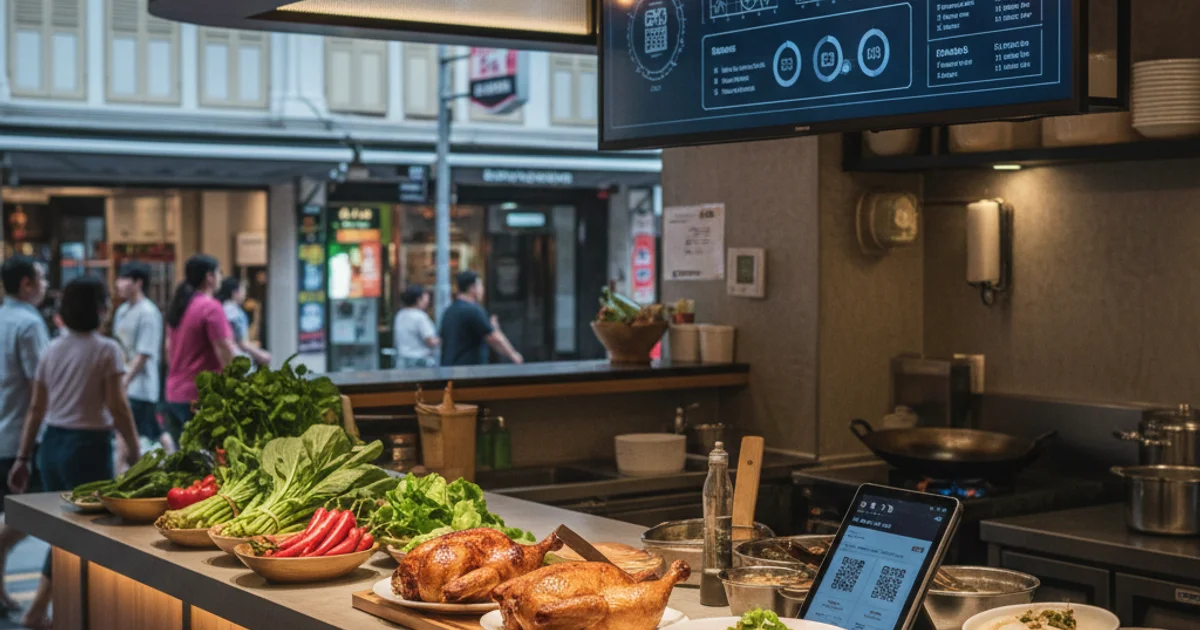
Running a hawker stall in Bedok means competing with nine other food businesses within walking distance, all fighting for the same families heading home from Bedok MRT. The difference between thriving and barely surviving often comes down to who can turn first-time visitors into regulars.
That's where AI tools step in. What used to require expensive marketing agencies or complex software can now be handled by smart systems that learn your customers' patterns and reach them at exactly the right moment.
How AI Tools Transform Bedok Hawker Operations
AI isn't about replacing the human touch that makes hawker food special. It's about handling the repetitive tasks that eat into your cooking time, so you can focus on what matters most — serving great food.
Answer: AI tools automate customer communication, predict busy periods, and personalize marketing messages based on individual customer behavior patterns.
For hawker stalls in mature estates like Bedok, where foot traffic follows predictable patterns around meal times and school schedules, AI can identify when each customer is most likely to visit. A chicken rice stall might discover that office workers prefer Tuesday lunch reminders, while families respond better to weekend dinner suggestions.
The technology works by analyzing simple data points you're already collecting: order times, popular dishes, and customer visit frequency. No complex setup required — just patterns that help you stay top-of-mind when hunger strikes.
Smart Customer Communication Without the Hassle
Traditional marketing means writing individual messages, remembering who ordered what, and manually timing your outreach. AI flips this entirely.
Answer: AI communication tools automatically send personalized messages to customers based on their visit patterns, favorite orders, and optimal timing preferences.
Modern AI systems can track that Mrs. Tan orders laksa every Friday afternoon, while the construction crew prefers mee goreng on Monday mornings. Instead of generic "come back soon" messages, each customer gets relevant suggestions timed to their routine.
Research shows that businesses focusing on customer retention see significantly higher returns compared to constantly chasing new customers. For Bedok hawkers, this means turning the regulars who already love your food into customers who visit twice as often.
The beauty lies in the automation. Set up your preferences once, and the system handles the rest — no daily management, no forgotten follow-ups, just consistent touchpoints that keep your stall in customers' minds.
Revenue Prediction and Menu Optimization
AI doesn't just handle marketing — it can predict which dishes will be popular and when your busiest periods will hit.
Answer: AI analyzes historical sales data and external factors like weather, events, and holidays to predict demand patterns and optimize inventory planning.
A Bedok hawker stall using predictive analytics might discover that rainy days increase soup orders by 40%, or that the nearby school's exam periods create a lunch rush two hours earlier than usual. This intelligence helps with ingredient purchasing, staff scheduling, and menu planning.
The system learns from your specific location too. Bedok's mix of families, working professionals, and elderly residents creates unique patterns that differ from tourist areas or business districts. AI tools can identify these micro-trends and help you capitalize on them.
Studies indicate that loyalty programs delivering measurable ROI generate over five times more revenue than their operational costs, particularly when powered by intelligent customer insights rather than generic reward structures.
Digital Menu Intelligence
Physical menu boards work, but AI-powered digital menus adapt in real-time based on what's selling, what's running low, and what each customer typically orders.
Answer: AI-powered digital menus can highlight popular items, suggest complementary dishes, and adjust pricing or availability based on real-time inventory and customer preferences.
For hawker stalls, this might mean prominently featuring your signature wonton noodles when regular customers who love them are likely to visit, or suggesting add-ons based on what similar customers typically order together.
The technology integrates with simple point-of-sale systems, requiring minimal hardware investment. Most solutions work through tablets or smartphones, making them accessible even for traditional operations.
With more than two-thirds of the global population actively using social media, customers expect digital touchpoints even from neighborhood food stalls. AI helps bridge this gap without requiring constant manual updates.
Cost-Effective Implementation for Small Operations
The biggest concern hawker operators have about AI tools: cost and complexity. Modern solutions address both.
Answer: Entry-level AI tools for hawker stalls typically cost under $50 monthly and require no technical expertise, with setup completed in under an hour.
Cloud-based systems eliminate the need for expensive hardware or technical staff. Most platforms offer free trials, allowing stall owners to test effectiveness before committing. Setup involves basic information about your menu, operating hours, and customer preferences — no coding required.
The return on investment becomes clear quickly. A Bedok chicken rice stall spending $40 monthly on AI customer retention that brings back just three additional customers per week has already broken even, considering the average hawker transaction value in Singapore.
Integration with Existing Operations
AI tools work alongside your current setup, not as a replacement for proven systems.
Answer: Modern AI solutions integrate with existing POS systems, WhatsApp Business, and social media accounts without disrupting daily operations or requiring staff retraining.
For hawker stalls already using digital payment systems like PayNow or GrabPay, adding AI customer insights requires minimal additional setup. The tools pull data from transactions you're already processing.
Staff training is typically minimal — most systems are designed for single-person operations where the owner handles both cooking and customer service. Voice commands and simple interfaces accommodate the fast-paced hawker environment.
The key is choosing solutions built specifically for food service operations, not generic business tools adapted for restaurants. Hawker-specific features include halal-friendly messaging, multilingual support for Singapore's diverse customer base, and integration with local delivery platforms.
Measuring Success and ROI
AI implementation success isn't measured by technical metrics — it's about more customers, higher average orders, and increased visit frequency.
Answer: Key performance indicators include customer return rate, average order value, time between visits, and revenue per customer, all trackable through integrated analytics dashboards.
Successful Bedok hawker stalls using AI tools typically see 15-25% increases in customer retention within the first three months. More importantly, they report spending less time on manual marketing tasks and more time perfecting their food.
The measurement tools are built into most platforms, providing clear before-and-after comparisons without requiring separate analytics software. Simple dashboards show which AI features drive the most return visits and revenue.