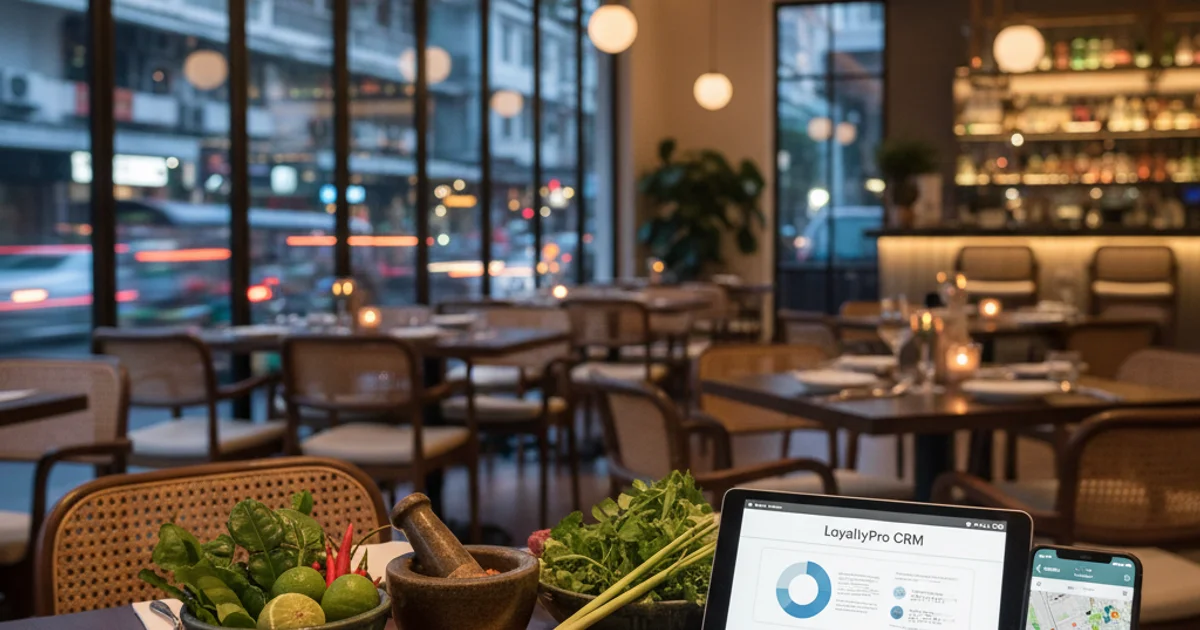
Running a restaurant in Thailand means juggling orders from dine-in customers, food delivery apps, and walk-in traffic while trying to remember who your regulars are and what keeps them coming back. With Thailand's restaurant industry growing rapidly and customer expectations rising, many owners are discovering that a simple POS system isn't enough anymore.
STAMPEDE is the AI growth engine that helps Thai restaurants turn one-time visitors into loyal customers through digital loyalty programs, automated messaging, and customer insights that actually drive repeat business.
Why Thai Restaurants Need More Than Just a POS System
A traditional POS system tracks what customers buy, but it doesn't help you understand who they are or how to bring them back. Thai restaurants face unique challenges: high competition in food courts and shopping centers, price-sensitive customers who have dozens of dining options, and the need to compete with both local street food and international chains.
Research from Bain & Company shows that boosting customer retention by just 5% can increase profits by up to 95%. For Thai restaurants operating on thin margins, this difference between one-time visitors and repeat customers often determines success or failure.
Modern restaurant CRM goes beyond transaction records. It captures customer preferences, tracks visit patterns, and automates the follow-up that turns casual diners into regulars. When a customer visits your Thai restaurant three times in two weeks, your CRM should recognize this pattern and reward their loyalty automatically.
Essential CRM Features for Thai Restaurant Success
Thai restaurants need CRM systems designed for the local market. Language support for Thai and English is essential, as many restaurants serve both local customers and expatriate communities. The system should handle Thai phone numbers correctly and integrate with popular local payment methods.
Customer identification forms the foundation. Many Thai customers prefer not to download apps, so the best systems work through simple QR codes or SMS. When customers scan a code at your table or counter, the system captures their contact information and begins building their profile immediately.
Automated messaging keeps your restaurant top-of-mind between visits. According to Nielsen, 83% of consumers trust recommendations from friends and family above all other advertising. A good CRM helps facilitate this by making it easy for satisfied customers to share your restaurant with their network through referral programs and social sharing features.
Visit pattern analysis reveals insights that help you optimize operations. If your CRM shows most customers visit during lunch hours but rarely return for dinner, you can create targeted promotions to drive evening traffic. Thai restaurants often see different patterns for weekday office workers versus weekend family diners.
The system should also track customer preferences. If someone always orders pad thai with extra vegetables, your staff can proactively mention similar dishes or new vegetarian options when they visit again.
Building Customer Loyalty in Thailand's Competitive Market
Thailand's restaurant scene is intensely competitive. Bangkok alone has over 50,000 restaurants, and customers have unlimited choices. Building loyalty requires more than good food – it demands consistent engagement and personalized experiences.
Digital stamp cards work exceptionally well in Thai markets. The concept translates directly from traditional paper stamp cards that many customers already understand. Instead of carrying physical cards that get lost or forgotten, customers access their stamps through their smartphone. Each visit earns stamps toward free dishes or discounts.
Milestone rewards create anticipation and encourage repeat visits. A Thai restaurant might offer a free appetizer after 3 visits, a main dish after 7 visits, and a special birthday meal for loyal customers. The key is making rewards feel achievable while encouraging customers to return regularly.
Referral programs tap into Thailand's social dining culture. Thai people often eat in groups and love sharing good restaurant discoveries with friends. When your CRM makes it easy for customers to refer friends – perhaps through a shared discount code – you leverage existing social connections to grow your customer base.
Research from the Paytronix Annual Loyalty Report 2023 found that restaurant loyalty members spend more per visit, with checks averaging 5% larger than non-members. For Thai restaurants competing on price, this increased spending per customer can significantly impact profitability.
WhatsApp and SMS Marketing for Thai Restaurants
Thailand has one of the world's highest WhatsApp usage rates, making it an essential channel for restaurant marketing. A restaurant CRM should integrate seamlessly with WhatsApp to send automated messages that feel personal rather than promotional.
Order confirmations and pickup notifications work well via WhatsApp. Instead of calling customers when their takeaway order is ready, restaurants can send an automated message with pickup instructions. This reduces staff workload while keeping customers informed.
Promotional campaigns through WhatsApp achieve higher open rates than email. When launching a new Thai curry or promoting a weekend special, restaurants can send targeted messages to customers who've shown interest in similar dishes. The key is segmentation – sending curry promotions to customers who've ordered curry before, not to everyone.
Birthday and special occasion messages create emotional connections. A simple "Happy Birthday! Enjoy 20% off your meal today" message can turn a regular day into a restaurant visit. Thai culture places importance on celebrations, making these personalized touches particularly effective.
SMS remains valuable as a backup channel and for customers who prefer text messages over WhatsApp. Some older customers or those with basic phones may not use WhatsApp regularly, but nearly everyone receives SMS messages.
The most effective restaurant CRMs allow easy switching between channels based on customer preference and message urgency. A birthday greeting might go via WhatsApp, while an urgent order update could use SMS for faster delivery.
Measuring Success: Analytics That Matter for Thai Restaurants
Customer lifetime value reveals which marketing efforts actually drive long-term profitability. Thai restaurants often focus on attracting new customers through promotions, but retaining existing customers typically costs less and generates more revenue over time.
Visit frequency trends help identify at-risk customers before they stop coming. If a regular customer who usually visits twice weekly hasn't been seen in 10 days, automated re-engagement campaigns can win them back with a special offer or friendly check-in message.
Campaign performance metrics show which promotions actually work. Thai restaurants might discover that lunch promotions outperform dinner specials, or that referral rewards generate more new customers than social media advertising.
Revenue per customer tracking helps optimize menu pricing and promotion strategies. Understanding which dishes drive the highest margins from loyal customers versus new visitors enables smarter business decisions.
Data from Sprout Social indicates that 90% of consumers use social media to stay updated on trends and cultural moments. Thai restaurants can leverage this by tracking which menu items customers share most often on social media and promoting these dishes to new customers.
Integration with Existing Restaurant Operations
The best restaurant CRM systems complement rather than complicate existing operations. They should work alongside your current POS system, not replace it. STAMPEDE follows this principle by integrating with existing workflows rather than requiring complete operational changes.
Staff training should be minimal. If your CRM requires extensive training or complicated procedures, staff won't use it consistently during busy service periods. The most effective systems work in the background, capturing customer data and automating follow-up without requiring constant staff attention.
Kitchen operations remain unchanged. Your CRM handles customer relationship management while your existing POS and kitchen systems manage orders and food preparation. This separation ensures that implementing CRM doesn't disrupt the core restaurant operations that customers experience directly.
Reporting integration provides unified insights. Rather than checking multiple systems for sales data, customer information, and marketing results, integrated reporting gives restaurant owners a complete picture of business performance from a single dashboard.
For Thai restaurants looking to implement CRM without operational disruption, the key is choosing systems designed specifically for restaurant environments rather than generic business CRM platforms adapted for food service.
---