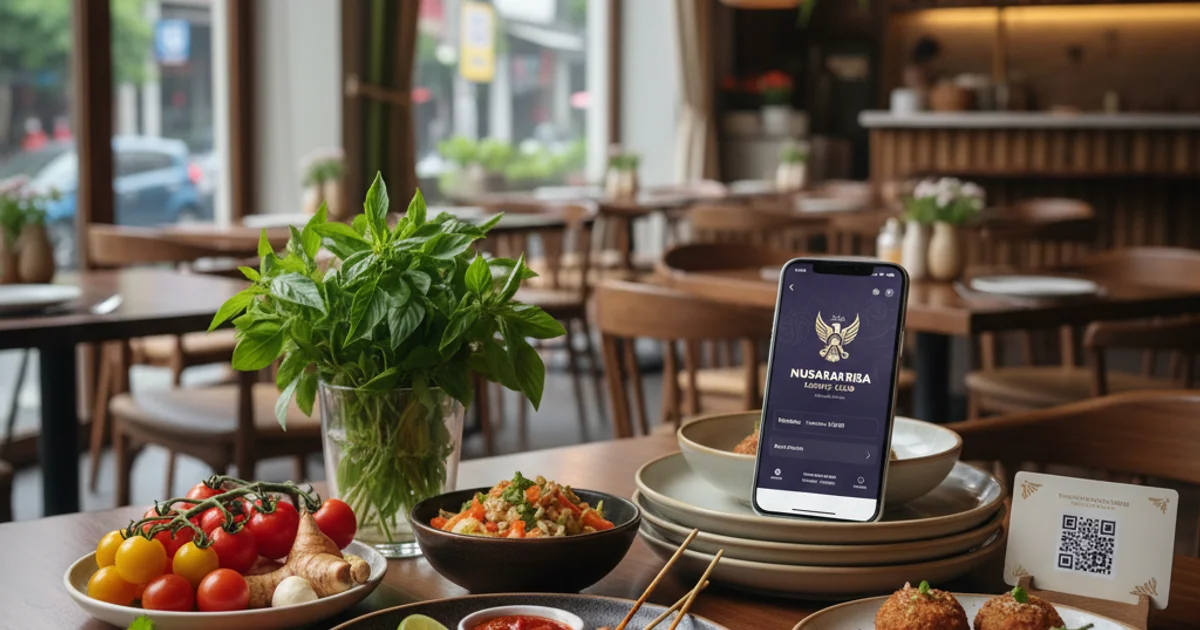
Running a restaurant in Indonesia means navigating intense competition while building lasting customer relationships. With thousands of dining options across Jakarta, Surabaya, and other major cities, restaurants need more than good food to ensure customers return. A loyalty app becomes essential for tracking repeat visits, rewarding regular diners, and turning occasional customers into devoted regulars.
STAMPEDE provides restaurants with a comprehensive loyalty platform that works alongside existing POS systems. Rather than replacing current operations, it complements them with digital stamp cards, automated WhatsApp messaging, and customer insights that help Indonesian restaurants build stronger customer relationships.
Why Indonesian Restaurants Need Digital Loyalty Programs
Traditional punch cards and paper-based systems fail in Indonesia's fast-paced dining environment. Customers forget physical cards, staff struggle with manual tracking, and restaurants lose valuable customer data that could drive repeat business.
Digital loyalty apps solve these challenges by putting the loyalty program directly on customers' phones. When a diner visits your restaurant, they simply show their QR code for scanning. The system automatically tracks visits, awards stamps, and triggers rewards when milestones are reached.
Research from Harvard Business Review shows that keeping existing customers costs significantly less than acquiring new ones - up to 25 times less expensive. For Indonesian restaurants operating on tight margins, this efficiency becomes crucial for sustainable growth.
The shift toward digital solutions accelerated during the pandemic, with Indonesian consumers becoming more comfortable with app-based interactions. This behavioral change creates an opportunity for restaurants to implement loyalty programs that feel natural to modern diners.
Essential Features for Indonesian Restaurant Loyalty Apps
Successful loyalty apps in Indonesia must address local preferences and dining habits. The foundation starts with digital stamp cards that replace physical alternatives while maintaining the familiar earning structure customers expect.
QR code scanning provides the simplest interaction method. Customers show their phone screen, staff scan the code, and stamps are automatically added to the customer's account. This process takes seconds and requires no app download from customers.
WhatsApp integration becomes particularly valuable in Indonesia, where the platform dominates business communication. When customers earn rewards or approach milestones, automated messages in Bahasa Indonesia keep them engaged. Text messages achieve impressive engagement rates - studies show SMS sees response rates between 40-50%, far exceeding email marketing performance.
Referral programs tap into Indonesia's social dining culture. When satisfied customers share their experience with friends, both the referrer and new customer receive rewards. This word-of-mouth amplification proves especially effective in Indonesian communities where personal recommendations carry significant weight.
Automated birthday rewards and milestone celebrations create memorable moments that encourage return visits. The system tracks customer birthdays and automatically issues special offers, removing manual work from restaurant staff while ensuring no opportunity is missed.
Implementation Strategy for Indonesian Restaurants
Rolling out a loyalty app requires careful planning to ensure smooth adoption by both staff and customers. Start with comprehensive staff training on QR code scanning and basic troubleshooting. When staff feel confident with the system, they naturally promote it more effectively to customers.
Customer onboarding should emphasize simplicity and immediate value. Position the loyalty program as a way to "never miss rewards again" rather than focusing on technical features. Many Indonesian diners appreciate practical benefits over complex functionality.
Integration with existing operations proves crucial for success. The loyalty app should complement current POS systems without requiring wholesale changes to established workflows. Staff continue their normal service routines while adding a quick QR scan step.
Consider cultural factors when designing reward structures. Indonesian diners often visit restaurants in groups, so consider family-friendly rewards or group discounts that acknowledge social dining patterns.
Language localization extends beyond simple translation. Use Indonesian phrases and cultural references that resonate with local customers. This attention to detail demonstrates respect for the local market and builds stronger customer connections.
Measuring Success and ROI
Tracking the right metrics helps Indonesian restaurants understand their loyalty program's impact on business growth. Focus on repeat visit frequency, average spending per loyal customer, and the percentage of transactions involving loyalty members.
Customer retention rates provide clear insight into program effectiveness. Compare how often loyalty members return versus non-members. Research indicates that repeat customers typically spend three times more than one-time visitors, making retention improvements directly visible in revenue.
Referral conversion rates measure how effectively satisfied customers bring new business. In Indonesia's relationship-driven culture, strong referral performance often indicates genuine customer satisfaction rather than just transactional engagement.
Monitor WhatsApp message engagement to optimize communication timing and content. Indonesian customers may prefer different messaging schedules compared to other markets, and local testing helps identify the most effective approaches.
Cost per retained customer helps evaluate program efficiency. Factor in technology costs, staff time, and reward expenses against the additional revenue generated by increased customer loyalty.
Advanced Features for Growing Restaurants
As Indonesian restaurants expand their loyalty programs, advanced features unlock additional growth opportunities. Multi-location support becomes essential for restaurant groups operating across different cities or neighborhoods.
Automated email campaigns complement WhatsApp messaging by providing detailed promotional content and menu updates. Email marketing allows for richer content including images and formatted text that showcase new dishes or special events.
Customer segmentation enables targeted marketing based on visit frequency, spending patterns, or food preferences. Indonesian restaurants can create specific campaigns for regular lunch customers versus weekend family diners.
Integration with food delivery platforms helps track customer behavior across all touchpoints. Whether customers dine in, order delivery, or pick up takeout, the loyalty program maintains a complete view of their relationship with the restaurant.
Analytics dashboards provide insights into peak visiting times, popular menu items among loyal customers, and seasonal trends specific to the Indonesian market. This data supports menu planning and staffing decisions that improve overall operations.
Overcoming Common Implementation Challenges
Indonesian restaurants often face specific obstacles when launching loyalty programs. Staff resistance to new technology can slow adoption, making thorough training and ongoing support essential for success.
Customer education requires patience and consistent messaging. Some diners may be hesitant to share phone numbers or scan QR codes initially. Emphasize privacy protection and the tangible benefits of participation to build trust.
Technical issues with QR code scanning occasionally arise in busy restaurant environments. Ensure backup procedures exist so loyalty tracking continues even when technology temporarily fails.
Managing reward costs while maintaining attractive incentives requires careful balance. Start with modest rewards and adjust based on actual customer behavior rather than assumptions about what will drive engagement.
Language barriers may affect customer support interactions. Ensure staff can explain the loyalty program benefits clearly in Bahasa Indonesia and have resources available for common questions.
The loyalty app landscape in Indonesia continues evolving as restaurants recognize the value of digital customer relationships. By implementing thoughtful loyalty programs that respect local preferences and dining culture, restaurants can build sustainable competitive advantages that drive long-term growth.