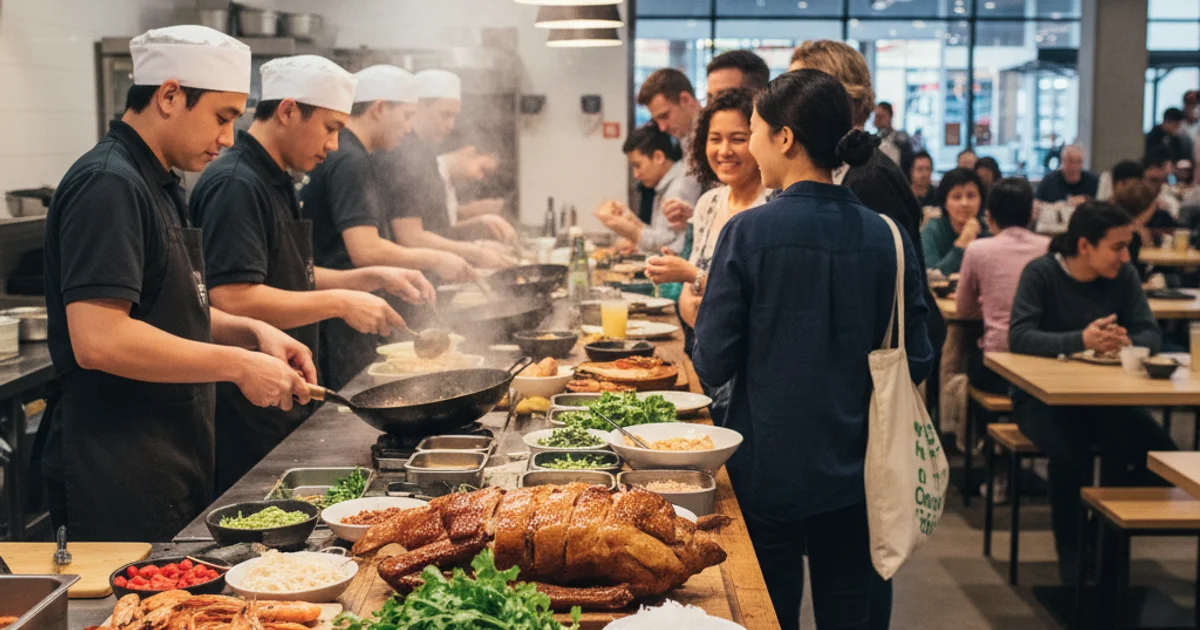
Walking through a bustling food court in Melbourne's CBD at lunch hour, you'll notice something interesting: the hawker stalls with steady queues aren't just serving great food—they're building communities. One customer brings a friend, that friend brings their colleague, and suddenly a single recommendation has created a network of loyal diners.
For hawker stall operators across Australia, word-of-mouth remains the most powerful marketing tool. But in 2026, the smartest operators are amplifying these natural referrals through structured programs that reward customers for bringing friends. When someone loves your laksa or your char kway teow, they want to share it—and a referral program gives them the perfect reason to do so.
Why Australian Hawker Stalls Need Referral Programs
Hawker stalls face unique challenges in the Australian market. Unlike their counterparts in Singapore's established food court culture, Australian hawker operators often compete directly with established cafes, burger joints, and other quick-service options that locals already know and trust.
Research from Harvard Business Review shows that referred customers go on to refer 30% to 57% more new customers than non-referred ones, creating a multiplying effect that's particularly valuable for food businesses building their reputation. For a hawker stall in Sydney's Chinatown or Melbourne's food precincts, this means each satisfied customer who brings a friend could potentially generate multiple additional customers over time.
The challenge lies in making referrals systematic rather than random. While customers naturally recommend good food, a structured program provides the nudge and reward that turns occasional recommendations into consistent customer acquisition.
How Referral Programs Work for Food Service
A hawker stall referral program operates on a simple principle: reward both the customer making the referral and the friend they bring. This two-sided incentive structure ensures everyone benefits from the introduction.
When a customer signs up for your loyalty program, they receive a unique referral code or link. They can share this with friends through WhatsApp, SMS, or social media. When someone new uses that code to join and makes their first purchase, both the referrer and the new customer receive a reward—typically a discount on their next meal or a free item.
The beauty of this system for hawker stalls is its alignment with natural dining patterns. People often eat lunch with colleagues or grab dinner with friends. A referral program simply formalizes the "you have to try this place" conversation that already happens around great food.
Setting Up Your Referral Rewards Structure
The key to successful referral programs lies in choosing rewards that feel valuable but maintain your profit margins. For hawker stalls, the most effective approach often combines percentage discounts with specific menu items.
A popular structure offers both parties a $5 discount on their next order when the referral converts. This amount represents meaningful value—enough to cover a drink or side dish—while remaining manageable for the business. Some operators prefer offering the referrer a larger reward (like $8 off) and the new customer a smaller welcome bonus (like $3 off), reasoning that the referring customer has already proven their loyalty.
Menu-based rewards can work particularly well for signature dishes. If your stall is known for exceptional rendang or hand-pulled noodles, offering a free portion of that signature item creates a memorable experience that reinforces what makes your food special.
The timing of rewards also matters significantly. New customers should receive their welcome reward immediately upon joining, while referrers typically get their benefit after their friend makes their first purchase. This structure ensures the referral actually converts to a paying customer rather than just a signup.
Digital Tools That Make Referrals Seamless
Modern referral programs rely on digital infrastructure that automates tracking and reward distribution. For Australian hawker stalls, this typically means integrating referral functionality into an existing loyalty program platform.
When customers join your loyalty program through their phone, they automatically receive a unique referral code. The system tracks when someone uses that code to sign up and monitors their first purchase. Once the conversion happens, both parties receive their rewards automatically—no manual tracking required.
WhatsApp integration proves particularly valuable in Australia's diverse food scene. With over 3 billion monthly active users globally according to Meta, WhatsApp provides a familiar platform for sharing referral codes, especially among communities that frequent authentic hawker food. Customers can easily forward their referral link through existing group chats or direct messages.
The digital approach also enables performance tracking that helps optimize the program. You can see which customers are your best referrers, which rewards generate the most conversions, and how referrals impact overall customer lifetime value.
Promoting Your Referral Program Effectively
Even the best-designed referral program requires active promotion to reach its potential. The most effective hawker stalls integrate referral messaging into multiple touchpoints throughout the customer experience.
Counter staff play a crucial role in program awareness. Training your team to mention the referral program during checkout—especially to customers who seem particularly enthusiastic about their meal—can significantly boost participation. A simple "Did you know you get $5 off when you bring a friend?" often sparks immediate interest.
Visual reminders also drive participation. Table tents, counter displays, and even receipt messaging can reinforce the referral opportunity. Many successful operators include their referral message on packaging for takeaway orders, ensuring the offer reaches customers when they're most likely to be sharing their meal experience with others.
Social media provides another promotion channel, particularly for stalls with active Instagram or Facebook presence. Posts featuring satisfied customers enjoying their meals, tagged with referral program details, can extend reach beyond your immediate customer base.
Measuring Referral Program Success
Effective measurement goes beyond counting successful referrals to understanding their broader business impact. Key metrics include referral conversion rate (what percentage of shared codes result in new customers), the average time between referral share and conversion, and the long-term value of referred customers compared to other acquisition channels.
For hawker stalls, tracking the source of referrals can reveal valuable patterns. If most successful referrals happen during lunch hours, you might focus promotional efforts on the office workers who frequent your stall midday. If weekend referrals perform better, family-oriented messaging might prove more effective.
Customer feedback also provides crucial insights. Regular customers who participate in referrals often have suggestions for improving the program or ideas for rewards that would motivate them to share more actively.
The most successful programs evolve based on performance data. If $5 rewards aren't driving enough participation, testing $8 might reveal the optimal incentive level. If certain menu items work better as referral rewards than others, adjusting the offering can improve conversion rates.
Common Challenges and Solutions
Referral programs face predictable challenges that smart operators can address proactively. The most common issue is low awareness—customers simply don't know the program exists. This typically indicates insufficient promotion rather than lack of interest.
Another frequent challenge involves reward redemption friction. If claiming referral rewards requires multiple steps or creates confusion at checkout, participation drops quickly. The solution involves streamlining the redemption process and ensuring all staff understand how referral rewards work.
Some operators worry about fraud or gaming of the referral system. While sophisticated fraud is rare at the hawker stall level, simple safeguards like requiring actual purchases (not just signups) for referrer rewards and limiting rewards per customer help maintain program integrity.
Budget concerns also arise, particularly around reward costs. However, successful referral programs typically pay for themselves through increased customer acquisition and higher lifetime value of referred customers, who tend to be more loyal than customers acquired through other channels.