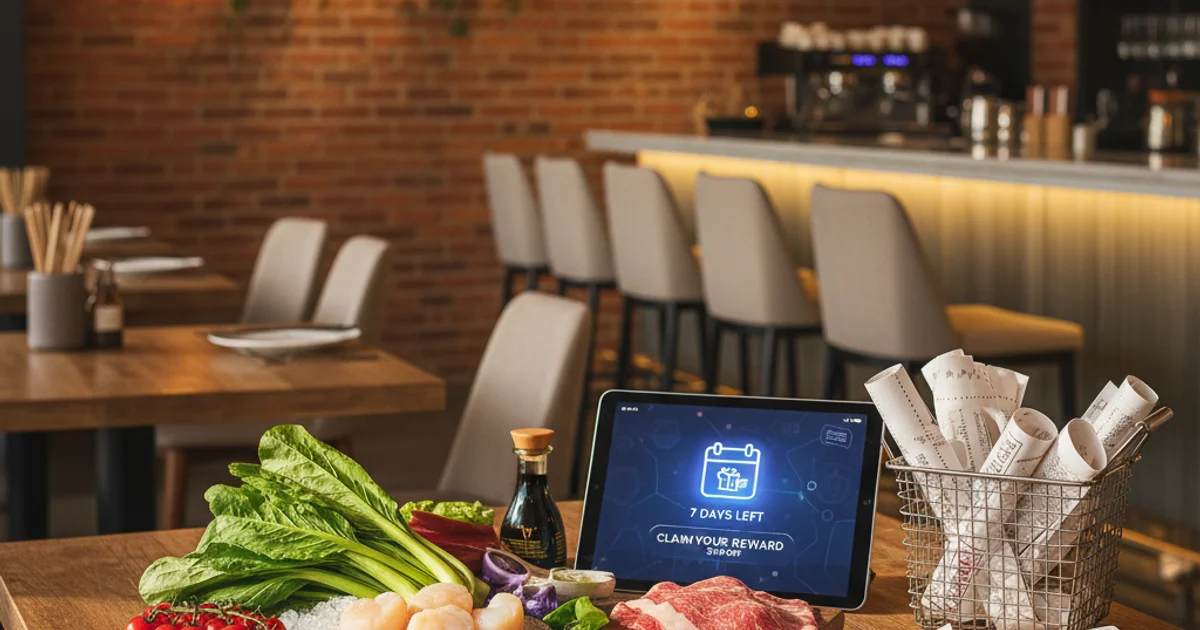
Last week, I watched a restaurant owner in Tanjong Pagar delete 47 expired coupons from his loyalty system. Each coupon represented a customer who earned a reward but never came back to claim it. $470 in potential revenue, gone.
This happens every month at restaurants across Singapore. Customers earn rewards through loyalty programs, get busy with life, and forget they have free meals waiting. The restaurant loses the chance to bring them back. The customer loses their earned reward. Everyone loses.
Why restaurants lose money on unused rewards
Restaurant loyalty programs generate thousands of earned rewards that never get redeemed. The gap represents lost revenue and missed reconnection opportunities.
When a customer earns a reward through stamp collection or milestone achievements, they've already demonstrated engagement with your brand. They visited multiple times, made purchases, and qualified for the benefit. These are your most valuable customers.
But earning a reward and remembering to use it are different behaviors. Customers get busy. They try new restaurants. They forget what they earned and when it expires. Without active reminders, these rewards become digital waste.
The restaurant loses twice. First, they gave away the stamps that earned the reward. Second, they miss the visit that would have redeemed it. That visit often includes additional purchases beyond the free item. A customer redeeming a free appetizer typically orders drinks, mains, and desserts too.
The psychology of expiring rewards
The Singapore Food Agency tracked 23,589 licensed food shops and 14,134 food stalls in 2024 — the largest concentration of F&B outlets per capita in the region, and a reminder that discovery is a real problem for any single brand.
Expiry dates create urgency, but they also create anxiety. Customers who discover expired rewards feel frustrated with themselves and sometimes with the restaurant. They earned something valuable and lost it through inaction.
This emotional response varies by customer type. Frequent visitors might shrug off an expired reward because they'll earn another one soon. Infrequent visitors might feel genuinely disappointed. They worked to earn something and missed their window.
The key insight: customers don't track expiry dates. They expect the restaurant to remind them.
This expectation comes from other industries. Banks send credit card payment reminders. Streaming services warn before subscriptions renew. Airlines notify about expiring miles. Restaurants that don't communicate expiry dates feel less professional by comparison.
Effective expiry reminders serve three psychological functions. They demonstrate that the restaurant values the customer's earned reward. They create helpful urgency without pressure. And they position the restaurant as organized and customer-focused.
The timing of these reminders matters enormously. Too early, and customers ignore them. Too late, and they can't act. The sweet spot is typically 3-7 days before expiry, depending on the reward type and customer behavior patterns.
How automated expiry reminders work
Enterprise Singapore's Food Services industry programme funds productivity upgrades, manpower training, and digital transformation for local F&B operators — a backdrop worth knowing when you're weighing where to spend on your own marketing stack.
Automated coupon expiry reminders operate through triggered messaging systems that monitor reward status and send timely notifications without manual intervention. The process requires three components: reward tracking, trigger logic, and delivery channels.
Reward tracking means your loyalty system knows what each customer has earned, when they earned it, and when it expires. This data must be accessible to the messaging system in real-time. Manual tracking through spreadsheets or paper systems cannot support automation.
Trigger logic determines when to send reminders based on expiry proximity and customer behavior. A basic trigger might send one reminder 5 days before expiry. Advanced logic considers factors like customer visit frequency, reward value, and historical response patterns to optimize timing.
Delivery channels include WhatsApp and SMS. WhatsApp typically achieves the highest open rates in Singapore because messages appear in a platform customers check multiple times daily. SMS works as a backup channel for customers who haven't opted into WhatsApp.
The reminder message itself should be clear, urgent, and actionable. It needs to state what reward is expiring, when it expires, and how to redeem it. Including the specific reward details (like "Free Laksa" instead of "Free Item") increases response rates.
STAMPEDE's WhatsApp automation handles this process automatically. When a customer earns a reward with an expiry date, the system schedules a reminder message for the optimal timing. If the customer redeems the reward early, the reminder gets cancelled automatically.
Message timing and frequency strategies
Singapore has one of the highest WhatsApp penetration rates in the world — 87% of Singaporeans use WhatsApp, and the average user spends 2 hours 17 minutes on social platforms daily (Hashmeta).
The optimal timing for expiry reminders depends on reward type, customer behavior, and restaurant operational patterns. Different approaches work for different scenarios, and successful restaurants often use multiple reminder touchpoints.
For milestone rewards (earned through stamp collection), a single reminder 5-7 days before expiry typically works well. These customers have demonstrated consistent engagement by visiting multiple times to earn the reward. They're likely to respond to one well-timed message.
Birthday rewards require different timing because they're date-specific and customers expect them. The best practice is sending the birthday reward immediately on the customer's birthday, then following up with an expiry reminder 3-5 days later if unused. This creates a celebratory moment followed by gentle urgency.
High-value rewards (like free meals worth $20+) justify multiple reminders. A sequence might include a 7-day notice, a 3-day notice, and a final 24-hour warning. Lower-value rewards (like free drinks) typically need only one reminder to avoid seeming pushy about small amounts.
Visit frequency also influences timing. Customers who visit weekly need shorter reminder windows because they'll likely return soon anyway. Customers who visit monthly need longer windows to plan their next visit around the reward.
The day of the week matters too. Reminders sent on Tuesday or Wednesday often perform better than weekend messages, which get lost in social activity. However, this varies by restaurant type. Casual dining might see better weekend response rates than business lunch spots.
Successful restaurants also consider their own operational capacity. Sending expiry reminders that drive traffic during already-busy periods can overwhelm staff and degrade service quality. Timing reminders to drive visits during slower periods helps balance revenue recovery with operational efficiency.
Channel selection: WhatsApp vs SMS
Different communication channels achieve different results for expiry reminders, and the choice significantly impacts recovery rates. Each channel has distinct characteristics that make it more or less suitable for different customer segments and reminder types.
WhatsApp dominates in Singapore with over 90% open rates and immediate visibility. Messages appear as notifications on customers' phones and remain visible in their chat list until read. The platform supports rich media, so restaurants can include images of the reward item or their logo for brand recognition.
WhatsApp also feels more personal and conversational than SMS. Customers are accustomed to receiving important updates through WhatsApp, from family messages to delivery notifications. This familiarity increases the likelihood they'll read and act on restaurant reminders.
However, WhatsApp requires customers to opt-in explicitly, and some customers prefer not to share their WhatsApp contact with businesses. Restaurants need alternative channels for these customers to avoid losing them entirely.
SMS works as an effective backup channel with nearly universal reach. Every mobile phone can receive SMS, regardless of smartphone type or app preferences. SMS messages appear immediately and prominently on all devices. The character limit forces concise, clear messaging.
The downside of SMS is higher cost per message and lower engagement rates compared to WhatsApp. SMS also lacks rich media capabilities, limiting messages to text only. But for urgent final reminders or customers who haven't provided WhatsApp consent, SMS fills a crucial gap.
The most effective approach uses both channels strategically. Start with WhatsApp for opted-in customers, fall back to SMS for non-WhatsApp users. This multi-channel approach maximizes reach while respecting customer communication preferences.
Measuring recovery success rates
Tracking the effectiveness of expiry reminders requires specific metrics that connect reminder delivery to actual customer behavior. Simple open rates don't tell the complete story. The goal is recovered visits and redeemed rewards, not just read messages.
The primary metric is reminder recovery rate: the percentage of customers who redeem their reward after receiving an expiry reminder. This calculation requires tracking which customers received reminders and which subsequently visited to redeem. A healthy recovery rate typically ranges from 15-35% depending on reward type and customer segment.
Response timing provides additional insight. Customers who redeem within 24 hours of receiving a reminder demonstrate high urgency responsiveness. Those who redeem 3-5 days later show planning behavior. Understanding these patterns helps optimize reminder timing for different customer types.
Revenue per recovered visit matters more than simple redemption counts. A customer who redeems a free appetizer but also orders drinks and dessert generates significantly more value than one who redeems and leaves immediately. Tracking average ticket size for reminder-driven visits helps calculate the true ROI of the reminder program.
Channel performance comparison reveals which communication methods work best for different scenarios. If WhatsApp reminders achieve 25% recovery rates while SMS achieves 15%, the cost difference might still favor SMS depending on message volume and pricing. Testing different channels with similar customer segments provides actionable optimization data.
Negative feedback tracking is equally important. Customers who unsubscribe or opt-out after receiving reminders indicate messaging frequency or timing problems. High opt-out rates following expiry reminders suggest the messages feel pushy or poorly timed. Monitoring these signals prevents reminder programs from damaging customer relationships.
Long-term impact measurement looks beyond immediate redemption to subsequent visit patterns. Customers who redeem rewards through expiry reminders might visit more frequently afterward if the experience reinforces their connection to the restaurant. Conversely, customers who feel pressured might reduce visit frequency even after redeeming.
Common mistakes restaurants make
Restaurant owners implementing expiry reminder systems often make predictable errors that reduce effectiveness and sometimes damage customer relationships. Understanding these mistakes helps avoid them from the start.
The most common mistake is sending too many reminders for low-value rewards. A customer who earned a free coffee worth $5 doesn't need three separate messages about expiry. This creates annoyance disproportionate to the reward value. Reserve multiple reminders for high-value rewards where the customer investment justifies more communication.
Poor message timing represents another frequent error. Sending reminders too early (10+ days before expiry) allows customers to forget again before the deadline. Sending them too late (24 hours or less) doesn't give customers enough time to plan a visit. The sweet spot varies by customer behavior, but 3-7 days typically works best.
Generic message content reduces response rates significantly. Messages that say "You have a reward expiring soon" perform much worse than "Your free Hainanese Chicken Rice expires in 5 days." Specific reward descriptions help customers remember what they earned and visualize using it.
Ignoring customer communication preferences creates unnecessary friction. Some customers prefer WhatsApp, others prefer SMS. Restaurants that force all customers into one channel miss opportunities to reach people through their preferred method.
Failing to cancel reminders after early redemption annoys customers and wastes messaging costs. If a customer redeems their reward on Monday but the system still sends a Thursday expiry reminder, they feel the restaurant isn't paying attention. Automated systems should update in real-time based on redemption status.
Overwhelming customers during busy periods backfires operationally. Sending expiry reminders that drive traffic during lunch rush or weekend peaks can overwhelm staff and create poor service experiences. Strategic timing considers both customer convenience and restaurant capacity.
Not tracking opt-out rates misses important feedback signals. If customers frequently unsubscribe after receiving expiry reminders, the messaging frequency or tone needs adjustment. High opt-out rates indicate the reminder program is creating more annoyance than value.
Integration with the restaurant growth loop
Expiry reminders function as a crucial component in the restaurant customer lifecycle, connecting loyalty program engagement to repeat visits and referral opportunities. Understanding this integration helps maximize the compound effects of retention marketing.
The basic restaurant growth loop operates through three phases: retain existing customers through loyalty programs, grow the customer base through referrals, and engage customers through automated communication. Expiry reminders strengthen all three phases simultaneously.
In the retention phase, expiry reminders ensure earned rewards actually drive return visits. A customer who accumulates stamps but never redeems rewards hasn't been truly retained. They've just been tracked. Effective reminders convert earned loyalty into actual visits, completing the retention loop.
The growth phase benefits when reminder-driven visits create referral opportunities. A customer who returns to redeem a reward often brings friends or family, especially for higher-value rewards like free meals. These accompanying visitors become new prospects for the loyalty program, expanding the customer base through existing member activity.
The engagement phase uses expiry reminders as touchpoints for broader communication. A customer who responds positively to expiry reminders demonstrates openness to restaurant messaging. This creates opportunities for birthday offers, new menu announcements, and seasonal promotions through established communication channels.
The compound effect occurs when successful expiry reminder programs increase overall program participation. Customers who consistently redeem rewards through reminders develop stronger loyalty program habits. They check their progress more frequently, visit more regularly to earn rewards, and refer more friends to similar experiences.
STAMPEDE's approach integrates expiry reminders with referral tracking and WhatsApp automation to maximize these compound effects. When a customer redeems a reward, the system can immediately present referral opportunities or collect feedback that improves future engagement.
Turn satisfied customers into your best marketing channel
Advanced reminder strategies
Sophisticated expiry reminder systems go beyond basic timing to incorporate customer behavior patterns, reward value tiers, and seasonal factors. These advanced strategies can significantly improve recovery rates for restaurants with sufficient customer data.
Behavioral segmentation creates different reminder strategies for different customer types. Frequent visitors (weekly or more) might receive shorter reminder windows because they'll likely return soon anyway. Infrequent visitors (monthly or less) need longer windows to plan visits around rewards. New customers might need more detailed explanations of how redemption works.
Reward value tiers justify different communication intensities. A free appetizer worth $8 merits one reminder. A free meal worth $25 justifies two reminders. A birthday reward worth $50 might warrant three touchpoints: immediate delivery, mid-period check-in, and final expiry warning. The communication investment should match the reward value.
Dynamic timing based on historical patterns improves relevance. If a customer typically visits on weekends, Thursday reminders perform better than Monday ones. If they usually visit during lunch hours, morning reminders outperform evening ones. Advanced systems track individual customer patterns and optimize accordingly.
Weather and event integration can boost reminder effectiveness. Sending expiry reminders before rainy days when customers might prefer indoor dining can increase response rates. Avoiding reminders during major holidays or local events when customers are likely busy improves timing relevance.
Cross-reward promotion uses expiry reminders to introduce other loyalty program benefits. A customer redeeming an expiring reward might learn about referral bonuses or birthday perks they weren't aware of. This educational component increases overall program engagement beyond immediate redemption.
Seasonal adjustment recognizes that customer behavior changes throughout the year. December expiry reminders might need longer windows due to holiday schedules. Chinese New Year periods require different timing considerations. School holiday periods affect family dining patterns. Advanced systems adjust automatically based on calendar events.
Predictive modeling can identify customers most likely to let rewards expire and prioritize them for enhanced reminder sequences. Customers who have previously lost rewards to expiry might need earlier or more frequent reminders. Those with perfect redemption histories might need minimal communication.
Technical implementation considerations
Implementing automated expiry reminder systems requires careful technical planning to ensure reliability, scalability, and integration with existing restaurant operations. The technical foundation determines whether the system enhances or complicates daily workflows.
Database design must track reward states in real-time, including earned date, expiry date, redemption status, and reminder history. The system needs to query thousands of records daily to identify upcoming expiries without performance degradation. Proper indexing on expiry dates and customer IDs ensures fast query execution.
Scheduling systems require precision and reliability for time-sensitive reminders. Basic cron jobs might suffice for small restaurants, but larger operations need more sophisticated scheduling that handles failures, retries, and timezone considerations. Cloud-based solutions often provide better reliability than on-premise systems.
Message delivery infrastructure must handle volume spikes when many rewards expire simultaneously. If a restaurant runs a promotion that creates hundreds of rewards with the same expiry date, the system needs to send hundreds of reminders on the same day without delays or failures.
Integration with existing POS systems varies significantly in complexity. STAMPEDE takes a POS-agnostic approach, working alongside any POS system without requiring integration. When a customer redeems a reward, staff simply mark it as used in the STAMPEDE system. This approach avoids technical complexity while maintaining reward tracking accuracy.
Failure handling becomes crucial for customer-facing communications. If a reminder fails to send, the system should retry automatically and alert restaurant staff if multiple attempts fail. Customers shouldn't lose rewards due to technical failures, and restaurants need visibility into system health.
Data backup and recovery procedures protect against customer data loss and system failures. Loyalty program data represents significant customer relationship value that cannot be easily recreated. Regular backups and tested recovery procedures prevent catastrophic data loss.
Security considerations include protecting customer contact information and preventing unauthorized access to loyalty program administration. SMS and WhatsApp integrations require secure API key management. Customer data must comply with Singapore's Personal Data Protection Act (PDPA) requirements.
ROI calculation and business impact
Calculating the return on investment for expiry reminder systems requires tracking both direct revenue recovery and indirect business benefits. The complete ROI picture includes immediate redemption value, additional purchase behavior, and long-term customer retention effects.
Direct revenue recovery measures the immediate value of recovered visits. If 100 customers receive expiry reminders and 25 redeem their rewards, that's a 25% recovery rate. If each redemption visit generates an average ticket of $30 (including the free reward plus additional purchases), the direct revenue is $750.
The cost calculation includes messaging fees and system subscription costs. WhatsApp messages typically cost $0.02-0.05 each in Singapore. SMS costs $0.08-0.15 per message. System costs vary but STAMPEDE starts at $50 per outlet monthly. Staff time for basic management is usually minimal with automated systems.
Additional purchase behavior significantly impacts ROI calculations. Customers redeeming free appetizers often order drinks, mains, and desserts. The incremental revenue beyond the free item can double or triple the visit value. Tracking average ticket sizes for reminder-driven visits versus normal visits reveals this multiplier effect.
Long-term retention benefits extend ROI beyond immediate redemption. Customers who successfully redeem rewards through reminders often develop stronger loyalty program engagement. They visit more frequently, refer more friends, and show higher lifetime value than customers who let rewards expire unused.
Operational efficiency gains contribute indirect value. Automated reminder systems reduce staff workload compared to manual reminder calls or in-person notifications. Staff can focus on service quality instead of tracking and communicating reward status. This efficiency improvement has quantifiable value in labor cost savings.
Brand perception improvements from professional reminder systems can increase customer satisfaction and word-of-mouth marketing. Customers appreciate restaurants that help them use earned rewards instead of letting them expire. This positive experience reinforces loyalty and referral behavior beyond the immediate redemption event.
For restaurants using automated reminder systems, typical ROI calculations show 3-5x returns within the first month of implementation. A restaurant spending $50 monthly on the system plus $20 in messaging costs often recovers $200-350 in additional revenue through improved reward redemption rates.