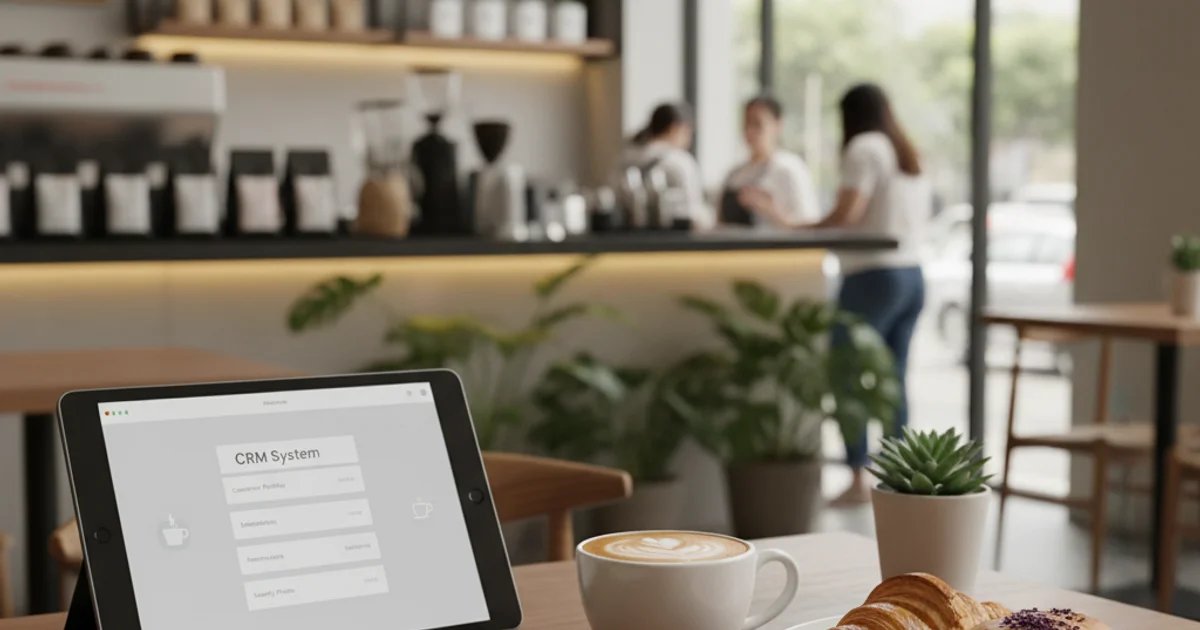
The Philippines food service industry encompasses over 33,000 formal establishments, yet many cafe owners in Makati's bustling business district still rely on outdated customer management methods. With 10 cafes competing within Makati's central business district, building lasting customer relationships has become the difference between thriving and merely surviving.
Why Makati Cafes Need Modern Customer Management
Makati's unique position as Metro Manila's primary business hub creates distinct challenges for cafe operators. During weekday mornings, office workers from Salcedo and Legazpi Villages flood establishments seeking their caffeine fix before heading to meetings. But once 6 PM arrives, these same customers scatter to different neighborhoods, leaving many cafes struggling to maintain consistent revenue streams.
Modern customer relationship management helps Makati cafes bridge this gap by tracking customer preferences, visit patterns, and spending habits. Traditional paper-based systems simply can't compete when you're serving hundreds of customers daily across multiple rush periods.
Consider how establishments like Panco Cafe in Legazpi Village maintain their steady customer base. They understand that repeat customers spend significantly more than first-time visitors. Research from Paytronix shows that loyalty program members have checks 5% larger than non-members, with some segments showing even higher increases.
Understanding Your Makati Customer Base
The Makati cafe customer differs substantially from typical suburban coffee shop patrons. Your morning rush consists primarily of professionals working in the Ayala Center, Greenbelt, and surrounding office towers. These customers value speed, consistency, and convenience above almost everything else.
A comprehensive CRM system captures these behavioral patterns, allowing you to optimize operations around your customers' actual needs. Instead of guessing which drinks sell best during lunch versus afternoon breaks, you'll have concrete data showing exactly when your regulars visit and what they order.
Filipino dining culture also emphasizes social connections and personal relationships. When your barista remembers that a regular customer prefers their iced coffee with extra syrup, that personal touch creates loyalty that transcends price competition. A digital CRM system ensures this knowledge doesn't disappear when staff members change shifts or leave the company.
Essential CRM Features for Makati Cafes
Your CRM system should handle the specific demands of Makati's fast-paced environment. Mobile accessibility tops the priority list since many transactions happen during brief breaks between meetings. Customers need to check their loyalty status, redeem rewards, and place orders quickly.
Integration with existing payment systems streamlines operations while capturing valuable transaction data. GCash integration particularly matters in the Philippine market, where mobile wallet adoption continues growing rapidly among urban professionals.
Real-time analytics help you respond to changing patterns immediately. When you notice afternoon sales dropping on Fridays, you can launch targeted promotions to customers who typically visit during those hours. This responsiveness keeps revenue steady even when foot traffic fluctuates.
Staff training becomes more effective when everyone accesses the same customer information. New employees can provide personalized service from day one by reviewing customer preferences and order history before each shift begins.
Implementing Customer Segmentation Strategies
Makati's diverse customer base requires sophisticated segmentation beyond simple demographics. Morning coffee runners behave differently from afternoon meeting-goers, who in turn differ from weekend leisure visitors exploring Poblacion's cafe scene.
Effective segmentation considers visit frequency, spending patterns, preferred ordering methods, and response to promotions. Your most valuable segment might be mid-morning visitors who order premium drinks and pastries while working on laptops for extended periods.
Geographic segmentation also matters in Makati's context. Customers working in Salcedo Village may have different preferences than those based in Rockwell or the Ayala Triangle. Understanding these micro-location preferences helps you tailor menu offerings and promotional strategies.
According to Bain & Company research, between 80% and 90% of positive referrals come from your most loyal, highest-value customers. Identifying and nurturing this segment creates a sustainable growth engine for your cafe business.
Measuring CRM Success in Your Cafe
Success metrics for Makati cafes extend beyond simple sales figures. Customer lifetime value becomes crucial when competing for limited foot traffic in the central business district. A customer who visits twice weekly for six months generates far more value than occasional visitors, even if individual transaction sizes vary.
Track repeat visit rates, average time between visits, and customer acquisition costs to understand your CRM system's real impact. Industry data shows that top restaurant operators now drive up to 37% of their transactions through loyalty program members.
Monthly cohort analysis reveals whether new customers develop into regulars or disappear after initial visits. This insight helps you adjust onboarding strategies and identify potential issues in the customer experience.
Revenue per customer segment shows which groups deserve the most attention and resources. Your data might reveal that weekend customers spend more per visit but visit less frequently than weekday regulars, influencing how you allocate promotional budgets.
Leveraging Technology for Better Relationships
Modern CRM systems offer capabilities that traditional methods simply cannot match. Automated birthday rewards ensure no customer feels forgotten, while behavioral triggers can re-engage customers who haven't visited recently.
WhatsApp integration particularly resonates with Filipino customers who use the platform for both personal and business communication. Sending order confirmations, loyalty updates, and special offers through WhatsApp feels natural and personal rather than intrusive.
Push notifications work effectively for time-sensitive promotions, especially during slower periods when you need to drive immediate traffic. A well-timed "happy hour" promotion sent to customers within walking distance can significantly boost afternoon sales.
Data analytics reveal patterns invisible to manual observation. You might discover that rainy days increase demand for hot beverages by 40%, or that customers who try seasonal drinks become more likely to visit during off-peak hours.
For more insights on building customer loyalty in competitive markets, explore our guide on loyalty programs for bubble tea shops, which covers similar challenges in Southeast Asian markets.
Integration with Daily Operations
Your CRM system should enhance rather than complicate daily operations. Staff members need quick access to customer information during busy periods without slowing down service speed. Simple interfaces that display key information at a glance work best in high-pressure environments.
Inventory management integration helps you understand which menu items drive customer loyalty versus those that simply generate one-time sales. This insight guides menu development and promotional strategies.
Point-of-sale integration ensures data accuracy while reducing manual entry requirements. When customers pay via GCash or credit card, their purchase history updates automatically without additional staff actions.
Real-time reporting helps managers make immediate decisions about staffing, inventory, and promotions. If morning rush data shows higher-than-expected traffic, you can call in additional staff before lines become unmanageable.
Learn more about referral programs for Thai cafes to see how regional businesses adapt CRM strategies to local preferences and cultural expectations.
Overcoming Common Implementation Challenges
Staff resistance often emerges as the biggest obstacle to CRM adoption. Employees comfortable with existing systems may view new technology as unnecessary complexity rather than helpful tools. Comprehensive training and clear benefit communication help overcome this resistance.
Start with basic features and gradually introduce advanced capabilities as staff comfort levels increase. Attempting to implement every feature simultaneously often leads to confusion and abandonment.
Customer adoption requires careful change management. Some patrons prefer traditional ordering methods and may resist digital alternatives. Offering both options during transition periods helps maintain customer satisfaction while encouraging gradual adoption.
Data privacy concerns have increased significantly among Filipino consumers. Transparent communication about data usage and strong security measures build trust necessary for successful CRM implementation.
For additional strategies on customer engagement in competitive markets, check out our analysis of WhatsApp marketing for Cebu bakeries, which demonstrates effective digital communication approaches.