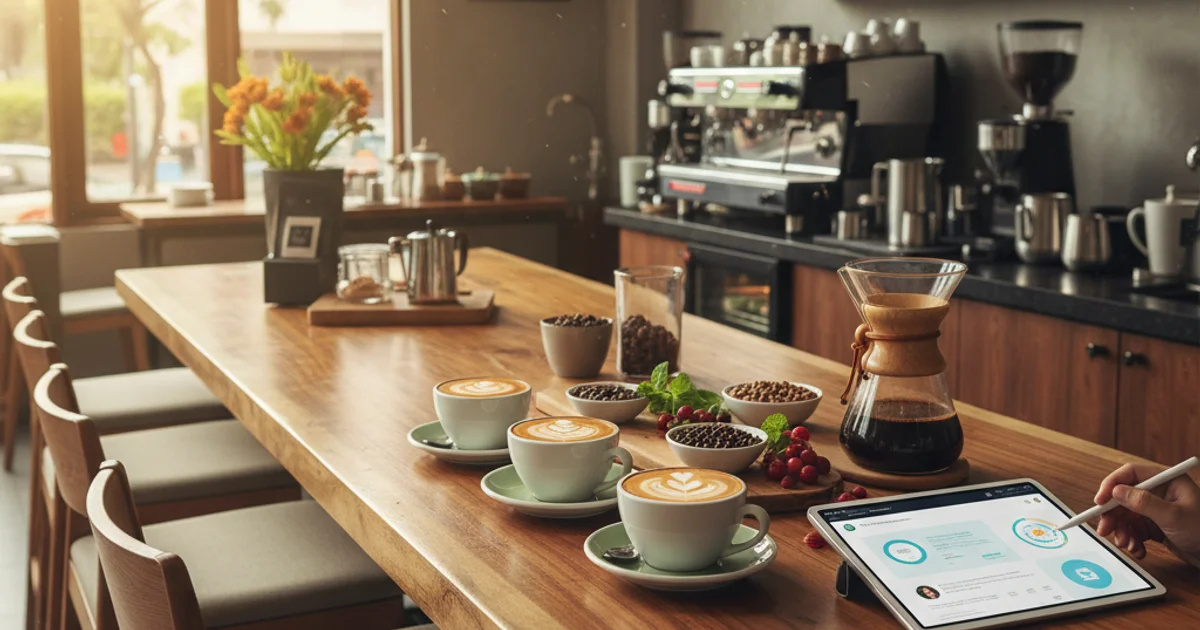
The difference between a thriving coffee shop and one that struggles often comes down to how well they know their customers. In Quezon City's competitive coffee scene, some shops like those along Maginhawa Street see the same faces every morning, while others watch potential regulars disappear after a single visit.
Why Coffee Shops in Quezon City Need Customer Relationship Management
Coffee shops face unique challenges in Metro Manila's largest city. With university students from UP Diliman and Ateneo forming a significant customer base, seasonal patterns create dramatic revenue swings. When classes end, foot traffic can drop by 60% overnight.
A customer relationship management system helps coffee shop owners understand these patterns and adapt accordingly. Rather than treating every customer as a one-time transaction, CRM transforms casual visitors into loyal regulars who return consistently.
Coffee shops using CRM see customers return 40% more frequently than those relying on chance encounters. This improvement stems from understanding customer preferences, visit patterns, and communication channels that actually reach your audience.
The most successful Quezon City coffee shops track customer data across multiple touchpoints. When someone orders their usual iced americano through GCash, that transaction becomes part of their customer profile. The next time they visit, staff can greet them by name and suggest their preferred drink.
Essential CRM Features for Quezon City Coffee Shops
Modern coffee shop CRM goes beyond basic contact information. The most effective systems capture purchase history, preferred drink customizations, and visit frequency patterns.
Digital stamp cards replace traditional punch cards while providing detailed analytics. Customers scan a QR code after each purchase, automatically tracking their progress toward rewards. This eliminates lost cards while giving owners precise data about customer behavior.
Automated messaging capabilities prove particularly valuable in the Philippines' WhatsApp-dominant communication landscape. When a regular customer hasn't visited in two weeks, the system can automatically send a personalized message offering their favorite drink at a discount.
WhatsApp automation works exceptionally well for Filipino coffee consumers who expect quick, personal communication. Research from social media analytics shows that nearly half of consumers make purchasing decisions based on personalized messages they receive.
Referral tracking becomes crucial in university areas where word-of-mouth spreads rapidly. Students who discover a great coffee spot immediately share it with classmates. CRM systems that reward both the referrer and new customer create viral growth loops.
Understanding Your Quezon City Coffee Shop Customers
The diverse customer base in Quezon City requires segmented approaches. University students behave differently from working professionals in Eastwood City, and weekend visitors from other Metro Manila areas have distinct patterns.
Students typically visit during specific hours between classes, order budget-friendly options, and respond well to group promotions. Understanding these patterns helps coffee shops prepare appropriate inventory and staffing levels.
Working professionals, particularly those in the Eastwood business district, prioritize speed and convenience. They're willing to pay premium prices for consistent quality and minimal wait times. Their loyalty often depends on reliability rather than price promotions.
Mall-based coffee shops face different dynamics. Customers often combine coffee purchases with shopping trips, leading to longer dwell times but less frequent visits. These customers respond better to experiential rewards than simple discounts.
CRM data reveals these patterns clearly. One coffee shop near UP Diliman discovered that 70% of their revenue came from just 30% of their customers. These regular customers visited an average of 12 times per month and spent 40% more per visit than occasional customers.
Implementing WhatsApp Marketing for Coffee Shop Growth
WhatsApp serves as the primary communication channel for most Filipino consumers, making it essential for coffee shop marketing. Effective WhatsApp campaigns feel personal rather than promotional.
Successful coffee shops send targeted messages based on customer preferences and behavior patterns. A customer who always orders cold brew receives different promotions than someone who prefers hot lattes with extra sugar.
The key lies in timing and relevance. Morning messages about fresh pastries work better than afternoon promotions. Students respond to late-night study fuel offers, while professionals prefer early morning convenience messages.
Studies indicate that customers who receive referral rewards through loyalty programs tend to bring significantly more new customers than those without incentives. This multiplier effect proves particularly strong in close-knit communities like university campuses.
Automation handles routine communications while preserving personal touches. Birthday messages, milestone celebrations, and comeback offers can be automated while maintaining authentic voice and timing.
However, over-messaging kills engagement quickly. The most effective coffee shops limit automated messages to 2-3 per month per customer, focusing on high-value communications rather than frequent noise.
Measuring CRM Success in Your Coffee Shop
Tracking the right metrics separates successful CRM implementation from wasted effort. Revenue per customer provides clearer insights than total sales figures, especially during seasonal fluctuations.
Customer retention rates reveal CRM effectiveness more accurately than acquisition metrics. A coffee shop that retains 60% of new customers after three months outperforms one that attracts twice as many first-time visitors but keeps only 20%.
Visit frequency patterns indicate customer satisfaction and engagement levels. Regular customers who suddenly reduce their visits signal potential issues that proactive outreach can address before they're lost completely.
Average transaction values often increase as CRM systems identify upselling opportunities. Customers who typically order just coffee might add pastries when targeted promotions highlight complementary items at the right moment.
The most valuable metric combines frequency, recency, and monetary value into a customer lifetime value calculation. This helps coffee shops identify their most valuable customers and allocate marketing resources accordingly.
Digital loyalty programs provide granular data that traditional methods can't match. Knowing that a customer prefers oat milk lattes on weekday mornings but switches to iced drinks on weekends enables precise personalization.
Building Long-Term Customer Relationships
Sustainable coffee shop growth comes from deepening existing relationships rather than constantly chasing new customers. Research consistently shows that acquiring new customers costs five to twenty-five times more than retaining existing ones.
The strongest customer relationships develop through consistent positive experiences rather than promotional offers. Customers who feel recognized and valued return more frequently than those attracted solely by discounts.
Personal recognition creates emotional connections that transcend price competition. When baristas remember a customer's usual order and ask about their preferences, that interaction builds loyalty that competitors struggle to break.
Community involvement strengthens these bonds further. Coffee shops that host student study groups, support local events, or partner with nearby businesses become integral parts of their customers' daily routines.
CRM systems facilitate these connections by providing staff with customer context. Knowing that a regular customer recently celebrated a birthday or started a new job enables more meaningful conversations that strengthen relationships.
The goal shifts from maximizing individual transactions to optimizing customer lifetime value. This perspective encourages investments in quality, service, and experience that pay dividends over months and years rather than single visits.
---
Q: How much does a CRM system cost for a small coffee shop in Quezon City? A: CRM systems for coffee shops typically range from $50-200 per month depending on features and customer volume. Many providers offer special pricing for Philippine businesses, with some starting at ₱2,500 monthly for basic digital loyalty and WhatsApp automation.
Q: Can CRM systems work with existing POS systems used by Quezon City coffee shops? A: Most modern CRM systems complement existing POS systems rather than replacing them. They capture customer data at checkout through QR code scans or phone number entry, then sync that information with their own database for marketing and loyalty purposes.
Q: How do Filipino customers respond to digital loyalty programs versus traditional punch cards? A: Filipino customers, especially in university areas like Quezon City, readily adopt digital loyalty programs. The convenience of not carrying physical cards, combined with instant notifications and easy sharing, makes digital programs more engaging than traditional punch cards.
Q: What's the best way to collect customer phone numbers for WhatsApp marketing? A: The most effective approach offers immediate value in exchange for contact information. Providing a welcome reward, birthday treat signup, or exclusive promotions encourages voluntary sharing. Always clearly explain how the information will be used and respect opt-out requests.
Q: How can coffee shops measure ROI from their CRM investment? A: Track key metrics like customer retention rate, average visit frequency, transaction value per customer, and referral rates. Compare these numbers before and after CRM implementation. Most successful coffee shops see 20-40% improvements in customer retention within the first six months.