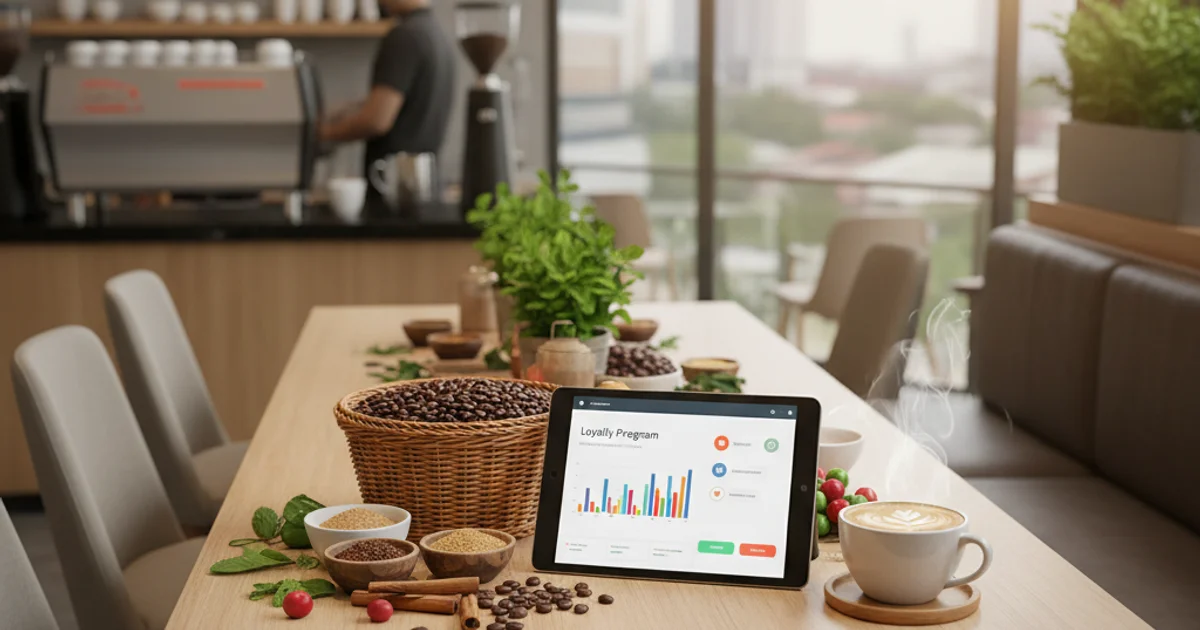
The coffee scene in Surabaya's Tunjungan Plaza buzzes with competition — three specialty coffee shops within 50 meters, each fighting for the same pool of caffeine-dependent office workers. Yet one consistently has a line while the others struggle with empty tables during peak hours.
The difference isn't better beans or flashier equipment. It's how they remember their customers.
For coffee shop owners in Indonesia's second-largest city, managing customer relationships has become the make-or-break factor between thriving and barely surviving. While traditional methods like handwritten loyalty cards might work for a neighborhood warung, today's Surabaya coffee shops need digital systems that can handle the fast-paced demands of modern Indonesian consumers.
Why Coffee Shops in Surabaya Need Modern CRM Systems
Coffee shops without proper customer relationship management are essentially starting from zero with every transaction. Research from Harvard Business Review shows that customers who come through referrals tend to bring 30% to 57% more new customers than those acquired through other channels — but you need systems in place to track and nurture these relationships.
In Surabaya's competitive coffee market, where GoFood and GrabFood dominate delivery orders and cash transactions remain common, a CRM system becomes your competitive advantage. It helps you identify your best customers, understand their preferences, and create personalized experiences that keep them choosing your shop over the dozens of alternatives.
The most successful coffee shops in areas like Gubeng and Wonokromo don't just serve great coffee — they build communities. A proper CRM system is the foundation that makes this community-building possible at scale.
Essential CRM Features for Indonesian Coffee Shops
Digital stamp cards form the backbone of effective coffee shop CRM. Unlike paper cards that customers forget at home or lose in their wallets, digital systems ensure your loyalty program travels with them everywhere. When a customer in Surabaya can earn stamps through WhatsApp or a simple web app, participation rates increase dramatically.
The key is making the system work seamlessly with Indonesian payment preferences. Many Surabaya coffee shops still process significant cash transactions, so your CRM needs to handle both digital and traditional payment methods without creating friction at the counter.
Customer segmentation capabilities separate good CRM systems from great ones. Your morning rush customers in Ketintang have different needs than your evening study-session crowd near Universitas Airlangga. Effective segmentation lets you send targeted promotions — perhaps a "morning boost" discount for early commuters or extended hours announcements for students.
Automated messaging through WhatsApp integration is crucial for the Indonesian market. According to DataReportal's Digital 2024 Indonesia report, the country has 185.3 million internet users with high social media engagement. WhatsApp remains the preferred communication channel, making automated birthday rewards, milestone celebrations, and promotional messages feel personal rather than intrusive.
How STAMPEDE's AI Growth Engine Works for Coffee Shops
STAMPEDE operates as an AI growth engine specifically designed for local businesses like coffee shops. Rather than being just another loyalty platform, it combines seven integrated pillars that work together to drive repeat business and customer acquisition.
The loyalty and stamps system creates the foundation — customers collect digital stamps through QR code scans, with customizable milestone rewards that fit your coffee shop's economics. Whether you want to reward every 5th coffee or create a more complex tier system, the flexibility adapts to your business model.
The referral system creates viral growth loops that coffee shops in Surabaya can leverage effectively. When satisfied customers share their unique referral codes, both the referrer and new customer receive rewards. This two-sided incentive structure has proven particularly effective in Indonesian markets where personal recommendations carry significant weight.
WhatsApp and SMS automation handles the relationship nurturing that most coffee shop owners don't have time to manage manually. The system includes 12 WhatsApp templates covering everything from visit confirmations to birthday rewards, plus 5 SMS templates for customers who prefer text messaging.
The AI Intelligence Suite provides weekly insights that help coffee shop owners make data-driven decisions. Instead of guessing which promotions work or which times are busiest, you get Claude Sonnet-powered reports that analyze customer patterns and suggest specific actions to improve retention and revenue.
Measuring CRM Success in Your Coffee Shop
Revenue per customer serves as the most reliable indicator of CRM effectiveness. Before implementing a system, calculate your average transaction value and visit frequency. After three months with a proper CRM, you should see measurable increases in both metrics among loyalty program members.
Studies from Antavo's Global Customer Loyalty Report indicate that 83% of loyalty programs measuring ROI report positive returns, generating 5.2 times more revenue than they cost. For coffee shops, this typically translates to loyalty members spending 20-30% more per visit and visiting 40-50% more frequently.
Customer retention rates provide another crucial metric. Track how many first-time customers return within 30 days, and how this changes after implementing your CRM system. Successful coffee shops in Surabaya typically see 30-day return rates improve from around 15% to 35-40% with effective loyalty programs.
Referral generation indicates whether your CRM is creating genuine customer satisfaction. Research from Nielsen shows that 83% of consumers trust recommendations from friends and family more than any other form of advertising. If your loyal customers aren't referring new ones, it suggests your experience isn't remarkable enough to share.
Monitor these metrics monthly rather than daily. Coffee shop customer behavior often follows weekly patterns, and seasonal variations can skew short-term measurements. Focus on trends over time rather than daily fluctuations.
Implementation Strategy for Surabaya Coffee Shops
Start with your existing customer base rather than trying to acquire new customers first. Identify your current regulars and personally invite them to join your digital loyalty program. These early adopters will provide valuable feedback and become your program ambassadors.
Train your staff thoroughly before launching. In Surabaya's service-oriented culture, customer interactions matter enormously. Your baristas need to confidently explain the program benefits and handle the QR code scanning process smoothly. Consider running a soft launch with friends and family to identify potential friction points.
Integrate with your existing payment and ordering systems without disrupting current operations. STAMPEDE works alongside your existing POS system rather than replacing it, ensuring you maintain operational continuity while adding loyalty capabilities.
Plan your reward structure based on your actual margins and customer behavior patterns. A free coffee after 10 purchases might work for a high-margin specialty shop, but a volume-focused operation might need different incentives. Start conservative and adjust based on actual program performance data.
Promote the program through multiple channels simultaneously. Use table tents, social media posts, and word-of-mouth to create awareness. In Indonesia's relationship-driven market, personal recommendations from staff often carry more weight than digital advertising.
| Implementation Phase | Timeline | Key Actions | Success Metrics |
|---|---|---|---|
| Setup & Training | Week 1-2 | System configuration, staff training, soft launch | 100% staff confidence, zero technical issues |
| Customer Migration | Week 3-6 | Invite regulars, promote to new customers | 30% of regulars enrolled, positive feedback |
| Optimization | Week 7-12 | Adjust rewards, refine messaging, analyze data | Improved retention rates, referral generation |
| Scale & Growth | Month 4+ | Advanced features, marketing automation | Measurable revenue increase, customer lifetime value growth |
Common CRM Mistakes Coffee Shop Owners Make
Over-complicating the reward structure confuses customers and reduces participation. Some Surabaya coffee shops create elaborate point systems with multiple tiers and complex redemption rules. Customers want simplicity — collect stamps, get rewards. The more complicated your system, the fewer people will engage with it.
Neglecting staff training leads to inconsistent customer experiences. Your CRM system is only as good as the people operating it. If baristas seem uncertain about the loyalty program or struggle with the technology, customers lose confidence in the entire system.
Focusing solely on discounts rather than building genuine relationships represents a fundamental misunderstanding of CRM purpose. Successful programs create emotional connections through personalized experiences, surprise rewards, and recognition of customer preferences.
Ignoring customer feedback and data insights wastes the most valuable aspect of modern CRM systems. The AI-powered analytics in systems like STAMPEDE provide actionable insights about customer behavior, but many coffee shop owners never review these reports or act on the recommendations.
Inconsistent promotion and communication kills program momentum. Launching a loyalty program requires ongoing marketing effort. Customers need regular reminders about benefits, new features, and special offers to maintain engagement.