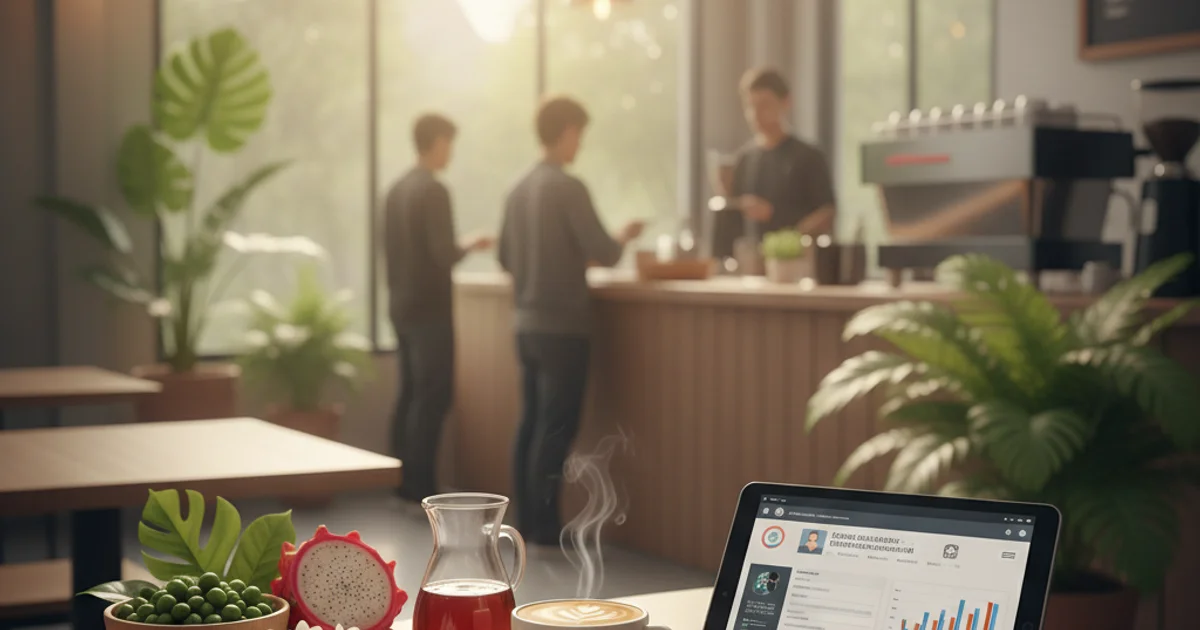
Running a coffee shop in Yogyakarta means competing with nearly 10 other establishments, each fighting for the same university students and domestic tourists who fuel the city's café culture. While most owners focus on perfecting their brew or designing Instagram-worthy interiors, the shops that actually build lasting customer relationships are the ones investing in proper customer relationship management systems.
A CRM isn't just a database of phone numbers and email addresses. For Yogyakarta coffee shops, it's the difference between hoping customers remember your name and having a system that remembers theirs.
Why Yogyakarta Coffee Shops Need CRM Systems
The coffee scene in Yogyakarta has exploded alongside the city's reputation as Indonesia's cultural and educational hub. With Gadjah Mada University and other institutions bringing thousands of students to the area, coffee shops face unique challenges that traditional customer management can't solve.
CRM systems help coffee shops track customer preferences, visit frequency, and spending patterns. When a regular customer walks into Blanco Coffee And Books or Hayati Specialty Coffee, staff equipped with customer data can provide personalized service that keeps people coming back.
Research from Bond Brand Loyalty shows that customers are 85% more likely to continue purchasing from brands with strong loyalty programs. In Yogyakarta's competitive coffee market, this customer retention advantage can determine which shops survive the next semester break.
The challenge isn't just competition—it's the seasonal nature of a university town. Student customers disappear during holidays, tourist patterns shift with domestic travel seasons, and local preferences vary between the traditional Javanese community and the transient university population.
Essential CRM Features for Indonesian Coffee Shops
Modern coffee shop CRM systems must handle Indonesia's unique market conditions. Cash transactions remain common outside Jakarta, GoFood and GrabFood delivery integration is essential, and halal certification considerations affect menu planning and customer communication.
Customer segmentation becomes crucial in Yogyakarta's diverse market. A CRM should distinguish between university students (price-sensitive, social media active), domestic tourists (experience-focused, limited visit frequency), and local residents (routine-driven, relationship-focused). Each segment requires different marketing approaches and service strategies.
Integration with Indonesian payment systems matters more than international options. While credit card processing is important for tourists, QR code payments through GoPay, OVO, and DANA serve the daily customer base more effectively.
WhatsApp integration proves more valuable than email marketing in Indonesia's mobile-first market. According to Mailchimp, email campaigns average just 2.62% click rates across industries, while WhatsApp messages in Indonesia achieve significantly higher engagement rates due to widespread platform adoption.
Building Customer Profiles That Drive Revenue
Effective CRM implementation starts with data collection that doesn't disrupt the customer experience. In Yogyakarta's casual coffee shop environment, lengthy signup forms kill conversion rates. Smart systems capture basic information first, then build detailed profiles over time through interaction tracking.
Customer visit patterns reveal more than demographic surveys. A CRM that tracks when customers visit, what they order, and how much they spend creates actionable insights. The student who comes every Tuesday for a single espresso represents different value than the tourist who orders elaborate specialty drinks twice during their stay.
Purchase history analysis helps coffee shops in Yogyakarta optimize inventory for seasonal demand. University students favor affordable options during exam periods, while domestic tourists during holiday seasons drive sales of premium beverages and Instagram-worthy presentations.
Behavioral data collection should respect Indonesia's privacy concerns while providing business value. Simple opt-in processes for loyalty programs, clear communication about data usage, and immediate value delivery (like birthday discounts or milestone rewards) build trust with customers who are increasingly aware of data privacy issues.
WhatsApp Marketing Integration for Indonesian Customers
WhatsApp Business API integration transforms how Yogyakarta coffee shops communicate with customers. Unlike email marketing, which requires customers to actively check another platform, WhatsApp messages appear directly in the messaging app that Indonesians use daily for personal communication.
Automated messaging sequences can nurture customer relationships without constant manual effort. A customer who hasn't visited in two weeks can receive a personalized message about new menu items or limited-time promotions. Students approaching exam periods might get study-friendly combo offers, while tourists receive recommendations for local specialties.
The key lies in message timing and frequency. Indonesian customers respond well to helpful, non-intrusive communication. A coffee shop CRM should track optimal sending times based on individual customer behavior, not generic scheduling assumptions.
Template messages for common scenarios—order confirmations, loyalty point updates, special event invitations—maintain consistent communication while allowing for personalization. The most successful Yogyakarta coffee shops use WhatsApp to create a sense of community around their brand, sharing behind-the-scenes content and customer spotlights alongside promotional messages.
Analytics That Matter for Coffee Shop Growth
CRM analytics must translate data into actionable business decisions. For Yogyakarta coffee shops, this means understanding which customers drive profitability, when to introduce new menu items, and how to optimize staffing for peak periods.
Customer lifetime value calculations help prioritize retention efforts. The regular customer who visits three times per week with modest orders may represent more long-term value than the occasional big spender. CRM systems should highlight these relationships so staff can provide appropriate attention and service.
Seasonal pattern analysis becomes critical in a university town. A robust CRM tracks how customer behavior changes during semester breaks, exam periods, and major holidays. This data informs inventory planning, staffing decisions, and marketing campaign timing.
Revenue attribution helps coffee shops understand which CRM activities generate actual sales. According to Harvard Business Review, acquiring new customers costs 5 to 25 times more than retaining existing ones. Analytics should clearly show which retention efforts provide the best return on investment.
Competitive benchmarking within Yogyakarta's coffee scene requires careful analysis. While you can't access competitors' customer data, your CRM should track market share indicators like customer acquisition rates, average visit frequency, and seasonal retention patterns that help position your shop effectively.
Implementation Strategy for Yogyakarta Coffee Shops
Rolling out a CRM system requires careful planning to avoid disrupting daily operations. Start with basic customer identification through loyalty programs or simple signup incentives, then gradually expand data collection and automation features.
Staff training determines implementation success more than software features. Your team needs to understand not just how to use the CRM, but why customer data matters for business growth. Indonesian hospitality culture already emphasizes personal relationships—CRM systems should enhance these connections, not replace them.
Integration with existing systems prevents data silos that reduce CRM effectiveness. Your point-of-sale system, delivery platform accounts, and social media presence should feed customer information into a central database. This comprehensive view enables more sophisticated marketing and service personalization.
For more insights on building customer loyalty in Indonesia's F&B market, explore our guide on WhatsApp Marketing for Bubble Tea Shops in Makati, which covers similar Southeast Asian market dynamics.
---
| CRM Feature | Importance for Yogyakarta | Implementation Priority |
|---|---|---|
| WhatsApp Integration | High - Primary communication channel | Phase 1 |
| Student Segment Tracking | High - Major customer base | Phase 1 |
| Seasonal Analytics | High - University town dynamics | Phase 2 |
| Local Payment Integration | Medium - Growing adoption | Phase 2 |
| Tourist Behavior Tracking | Medium - Secondary revenue | Phase 3 |
| Advanced Automation | Low - Nice to have | Phase 3 |