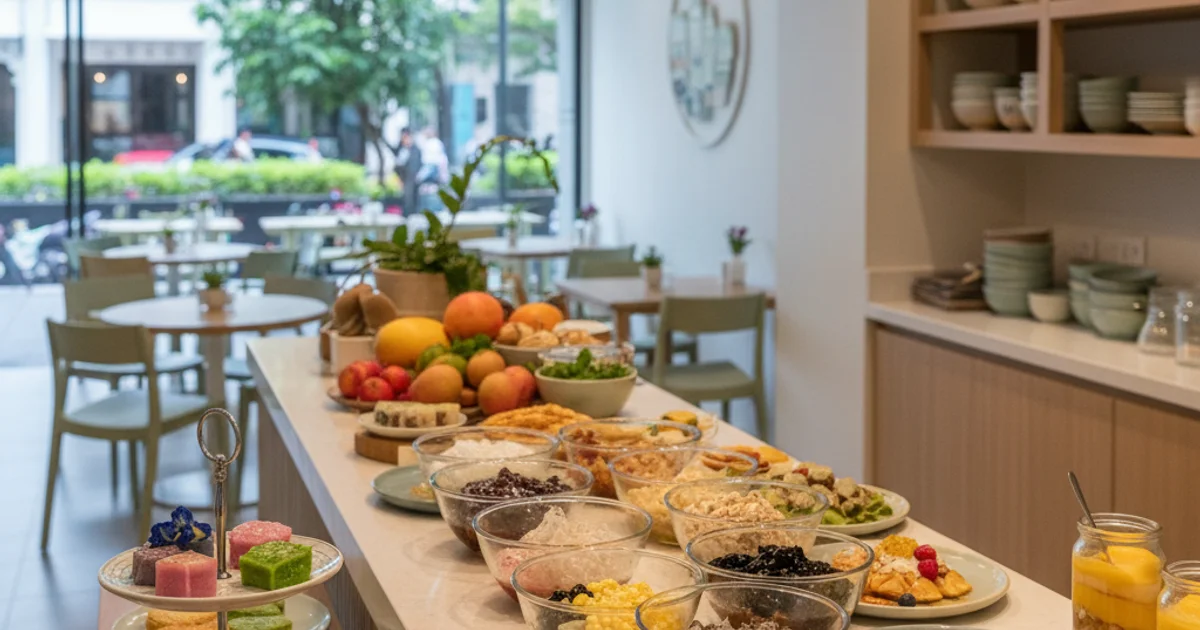
Do Penang dessert shop owners really know how many of their customers come back for a second visit? Most assume their regulars will keep returning, but without tracking, they're missing opportunities to turn occasional visitors into devoted fans.
Penang's dessert scene thrives on heritage and innovation. From traditional cendol stalls along Gurney Drive to Instagram-worthy shaved ice cafes in George Town's UNESCO quarter, dessert shops compete not just on taste but on customer experience. A loyalty app becomes the bridge between serving great desserts and building lasting customer relationships.
Why Penang Dessert Shops Need Digital Customer Tracking
Heritage shophouses along Armenian Street house some of Penang's most beloved dessert spots, but even the best locations can't guarantee repeat business without intentional customer retention. A loyalty app transforms anonymous transactions into trackable relationships.
When customers scan a QR code after purchasing their favorite ABC or durian cendol, the app captures visit patterns, preferences, and frequency. This data reveals which desserts drive repeat visits and which customers are slipping away. Research from Bain & Company shows that most positive referrals come from a brand's most loyal, highest-value customers — exactly the insight Penang dessert shops need to identify their biggest advocates.
Digital tracking works alongside existing POS systems without requiring integration. The cashier simply mentions the loyalty program at checkout, and customers scan to earn stamps. No complex setup, no staff retraining — just immediate visibility into who's coming back and why.
Building Repeat Business Through Milestone Rewards
Penang's dessert culture revolves around regular treats rather than special occasions. Customers might grab afternoon ice kacang twice a week or weekend family desserts monthly. A loyalty app captures these patterns and rewards consistency.
Milestone rewards work particularly well for dessert shops because purchase amounts are typically lower than main meals, encouraging more frequent visits. A "buy 8 desserts, get the 9th free" structure motivates customers to return sooner rather than letting weeks pass between visits.
The key is setting milestones that match actual customer behavior. If most regulars visit twice per week, an 8-stamp milestone creates a 4-week completion cycle — long enough to build habit, short enough to maintain momentum.
WhatsApp Marketing That Penang Customers Actually Read
SMS marketing often gets ignored, but WhatsApp messages achieve dramatically different engagement rates. When a Penang dessert shop sends a reminder about a new seasonal flavor or limited-time promotion, nearly all customers will see it — open rates sit close to 98% according to industry data from Infobiz.
WhatsApp automation works especially well for dessert shops because purchases are often spontaneous. A "we miss you" message sent to customers who haven't visited in two weeks can prompt an afternoon treat decision. Birthday reminders for free desserts create special occasion visits that might not happen otherwise.
The messaging feels personal rather than promotional when it comes from the shop's WhatsApp Business number. Customers see it as a friendly reminder from their neighborhood dessert spot, not mass marketing. This personal touch matters in Penang's relationship-driven food culture.
Templates ensure consistent messaging while allowing personalization. A dessert shop might send "Hi Sarah! Your favorite mango sticky rice is back in season. Come try it this week!" rather than generic promotional blasts.
Referral Programs That Spread Through Penang's Food Networks
Penang food lovers are incredibly social about their discoveries. They share recommendations in family WhatsApp groups, post Instagram stories from new dessert spots, and bring friends to try their latest finds. A referral program captures this natural word-of-mouth and amplifies it.
Digital referral tracking shows exactly which customers bring the most new business. According to research published in the Journal of Marketing, referred customers tend to have higher lifetime value and lower churn rates than customers acquired through other channels — making referrals particularly valuable for dessert shops building long-term relationships.
The mechanics are simple: existing customers share their unique referral code through WhatsApp or social media. When friends sign up using that code, both the referrer and new customer receive rewards. This creates a win-win dynamic that encourages sharing.
Tiered referral rewards work well for dessert shops. The first successful referral might earn a free dessert, the fifth referral unlocks a premium item, and the tenth referral gets a dessert party for friends. This structure motivates continued sharing rather than one-time participation.
Managing Multiple Outlets From Penang to Mainland
Many successful Penang dessert concepts expand beyond their original George Town location to Gurney Plaza, Queensbay Mall, or mainland Penang areas. A loyalty app scales seamlessly across multiple outlets while maintaining centralized customer data.
Customers earn stamps at any location but redeem rewards wherever convenient. Someone might discover the brand at Gurney Plaza but regularly visit the Tanjung Bungah outlet. The app tracks this cross-location behavior, showing which outlets drive discovery versus repeat business.
Branch-specific insights help optimize each location. The George Town heritage shop might attract more tourists seeking authentic experiences, while the mall outlet serves more families with children. Different customer bases suggest different promotional strategies and reward structures.
Staff management becomes simpler when the loyalty program works consistently across all locations. New hires learn one system rather than location-specific processes. Customer service stays consistent whether someone visits the original shophouse or newest mall kiosk.
Measuring Success Beyond Daily Sales
Traditional dessert shops track daily revenue but miss deeper customer insights. A loyalty app reveals patterns that pure sales data can't show: which customers are becoming more frequent visitors, which rewards drive the biggest behavior changes, and which marketing messages generate actual foot traffic.
Customer lifetime value becomes measurable rather than guessed. The app shows that regular customers who visit twice monthly might be worth 10 times more than one-time tourists, even if individual purchase amounts are similar. This insight changes how shops think about customer acquisition versus retention spending.
Retention metrics highlight warning signs before they become problems. If customer visit frequency drops during certain months or after specific menu changes, the data shows patterns that daily sales reports miss. Early intervention keeps valuable customers engaged.
The most successful Penang dessert shops use this data to make informed decisions about everything from new flavor launches to staff scheduling. Instead of intuition-based choices, they have customer behavior data guiding strategy.