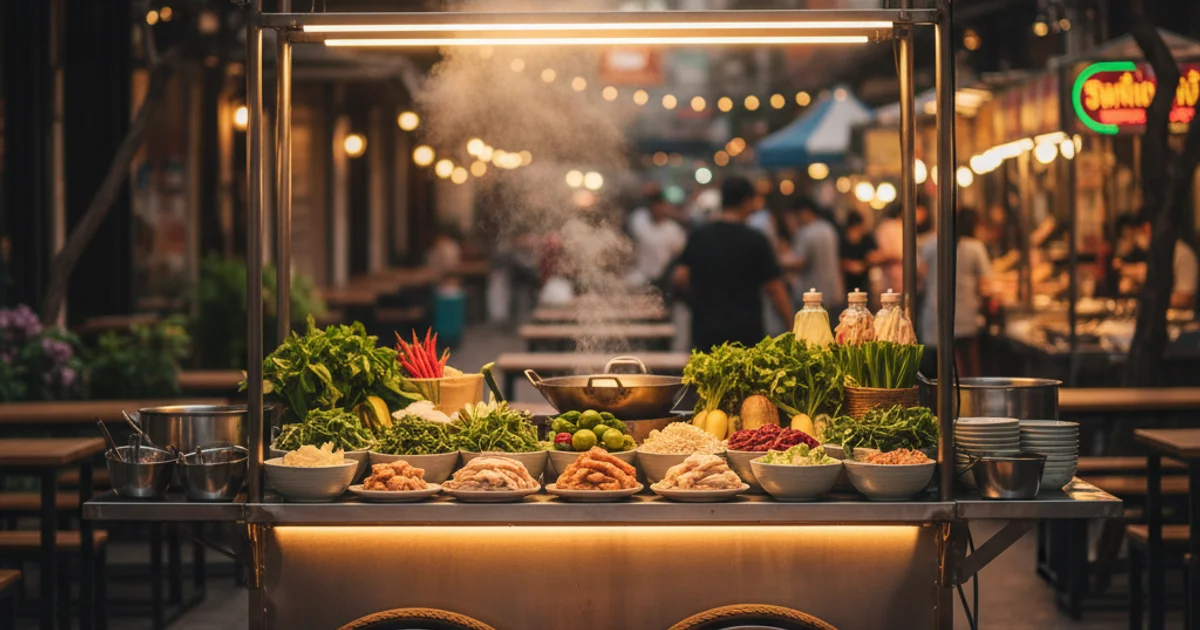
Bangkok's street food scene operates on razor-thin margins where every customer counts. With thousands of hawker stalls scattered across districts like Chatuchak, Pratunam, and Silom, building a loyal customer base isn't just smart business—it's survival.
Traditional paper stamp cards get lost in the humid Bangkok heat, and cash-only transactions leave no customer data behind. Meanwhile, successful hawker operators are discovering that digital loyalty programs can transform occasional visitors into daily regulars, even in Thailand's competitive street food landscape.
STAMPEDE's AI loyalty and referral platform helps Bangkok hawker stalls build lasting customer relationships without the complexity of traditional loyalty platforms. Instead of managing separate systems for stamps, rewards, and customer communication, hawker operators get everything integrated into one simple solution that works alongside their existing operations.
Why Bangkok Hawker Stalls Need Digital Loyalty
Bangkok's hawker culture thrives on repeat customers who know exactly where to find their favorite som tam or pad thai. But with LINE dominating Thai messaging and Grab/LINE MAN controlling food delivery, hawker stalls face unique challenges in building direct customer connections.
Digital loyalty programs address three critical hawker stall pain points. First, they capture customer data from cash transactions that would otherwise remain anonymous. Second, they automate the relationship-building that busy hawker operators don't have time for during peak hours. Third, they create a direct communication channel that doesn't depend on delivery platform algorithms.
Research from Harvard Business Review shows that acquiring new customers costs 5 to 25 times more than keeping existing ones. For Bangkok hawker stalls operating on margins as low as 10-15%, this mathematics makes customer retention essential rather than optional.
The key difference lies in automation. While paper stamp cards require manual tracking and personal memory, digital systems handle milestone rewards, birthday promotions, and win-back campaigns automatically. This lets hawker operators focus on cooking while the loyalty program works in the background.
Essential Features for Thai Street Food Operations
Bangkok hawker stalls need loyalty features that match their unique operational rhythm. During lunch rushes at places like Pratunam Market or the office districts around Silom, customers expect quick service without complicated signup processes.
QR code stamping provides the fastest customer interaction. Customers simply show their phone screen, staff scan the code in under three seconds, and stamps are added automatically. No app downloads, no complicated logins—just point, scan, and serve the next customer.
Milestone rewards work particularly well for hawker operations because they encourage larger or more frequent orders. A typical Bangkok hawker might offer every 10th bowl free, or a special dish after 15 visits. The digital system tracks progress automatically and notifies customers when they're close to earning rewards.
Email automation handles the relationship building that hawker operators can't manage manually. When customers hit milestones, the system sends congratulations messages. When regular customers haven't visited in a week, it sends gentle reminders. When birthdays approach, it offers special promotions—all without requiring staff time during busy service periods.
Overcoming Bangkok-Specific Challenges
Bangkok hawker stalls face distinct challenges that require thoughtful solutions. The city's extreme heat and humidity can damage paper materials, while the fast-paced street food culture demands systems that don't slow down service.
Language considerations matter significantly in Bangkok's diverse customer base. Thai customers, international tourists, and expat residents all frequent popular hawker areas. Digital loyalty systems need to handle multiple languages without confusing the staff or customers during busy periods.
Tourist-zone pricing creates another complexity. Hawker stalls near tourist areas like Khao San Road or Chatuchak Weekend Market often have different pricing tiers for locals versus visitors. Buddhist dietary days (jay) also affect menu availability monthly, requiring flexible reward systems that adapt to changing offerings.
Payment integration becomes crucial as Bangkok moves toward digital payments. While cash remains dominant at hawker stalls, QR payment systems like PromptPay are increasingly common. Loyalty programs need to work seamlessly regardless of payment method, capturing customer data from both cash and digital transactions.
The LINE messaging ecosystem in Thailand shapes how customers communicate.
Building Customer Habits in Street Food Culture
Bangkok's street food culture runs on habit and convenience. Regular customers know exactly which stall makes their preferred pad kra pao, and they often visit at the same time daily. Digital loyalty programs can strengthen these existing habits while encouraging new ones.
Timing matters enormously in hawker operations. Office workers grab breakfast between 7-9 AM, lunch crowds surge from 11 AM-2 PM, and dinner service peaks around 6-8 PM. Loyalty programs can use these patterns to send targeted messages during slower periods, encouraging visits during off-peak hours when stalls need customers most.
Data from Paytronix Annual Loyalty Report 2023 reveals that restaurant loyalty members spend more, with checks 5% larger than non-members. For Bangkok hawker stalls where average transactions might be 50-100 THB, even small increases in order size create meaningful revenue improvements.
Referral programs work particularly well in Bangkok's social dining culture. When customers share their favorite stall with friends or colleagues, both parties can earn rewards. This organic growth method costs less than advertising while building stronger community connections around the hawker stall.
The key lies in making loyalty feel natural rather than forced. Instead of complicated point systems, successful Bangkok hawker stalls keep rewards simple: buy 10 bowls, get the 11th free. Visit 5 times this month, get a special dessert. Celebrate your birthday with us, enjoy 20% off your meal.
Measuring Success Beyond Revenue
While revenue growth provides the clearest success metric, Bangkok hawker stalls should track several indicators to understand their loyalty program's full impact. Customer frequency rates show whether the same people are visiting more often, while new customer acquisition rates indicate whether word-of-mouth referrals are working.
Average transaction size reveals whether loyalty members are upgrading their orders or adding extras like drinks or desserts. Customer lifetime value becomes particularly important for hawker stalls, as regular customers who visit multiple times per week generate significantly more revenue than occasional tourists.
Seasonal patterns matter in Bangkok's climate and cultural calendar. Rainy season affects foot traffic, while festivals like Songkran change eating patterns temporarily. Successful loyalty programs adapt to these cycles, offering indoor seating promotions during heavy rain or special festival menus during celebration periods.
According to Harvard Business Review research, referred customers go on to refer 30% to 57% more new customers than non-referred ones. For Bangkok hawker stalls, this creates a multiplying effect where satisfied loyalty members become active promoters, bringing friends and family to try the stall.
Digital systems provide data visibility that paper stamp cards never could. Hawker operators can see which menu items loyalty members order most frequently, what times they typically visit, and which promotions generate the strongest response. This information guides menu decisions, staffing schedules, and marketing efforts.
Technology That Works in Thai Street Food Environment
Bangkok's street food environment demands robust, simple technology that works reliably in challenging conditions. High humidity, temperature fluctuations, and crowded spaces require loyalty systems designed for real-world hawker operations rather than air-conditioned restaurants.
Mobile-first design becomes essential since both staff and customers primarily use smartphones. QR codes work better than NFC tags in crowded markets where precise positioning is difficult. Cloud-based systems ensure data stays safe even if devices get damaged or stolen.
Internet connectivity varies across Bangkok's hawker areas. While central districts have excellent coverage, some traditional markets experience slower speeds during peak hours. Loyalty systems need offline capabilities that sync data when connections improve, ensuring no customer interactions are lost during service disruptions.
Staff training requirements should be minimal since hawker operations often rely on family members or part-time workers with varying technical skills. The best loyalty systems require only basic smartphone operation: open app, scan QR code, confirm stamps. More complex features can be handled remotely by the hawker stall owner.
Integration with existing operations matters more than sophisticated features. Bangkok hawker stalls already have established workflows for taking orders, preparing food, and handling payments. Loyalty programs should enhance these processes rather than disrupting them, adding value without adding complexity to busy service periods.