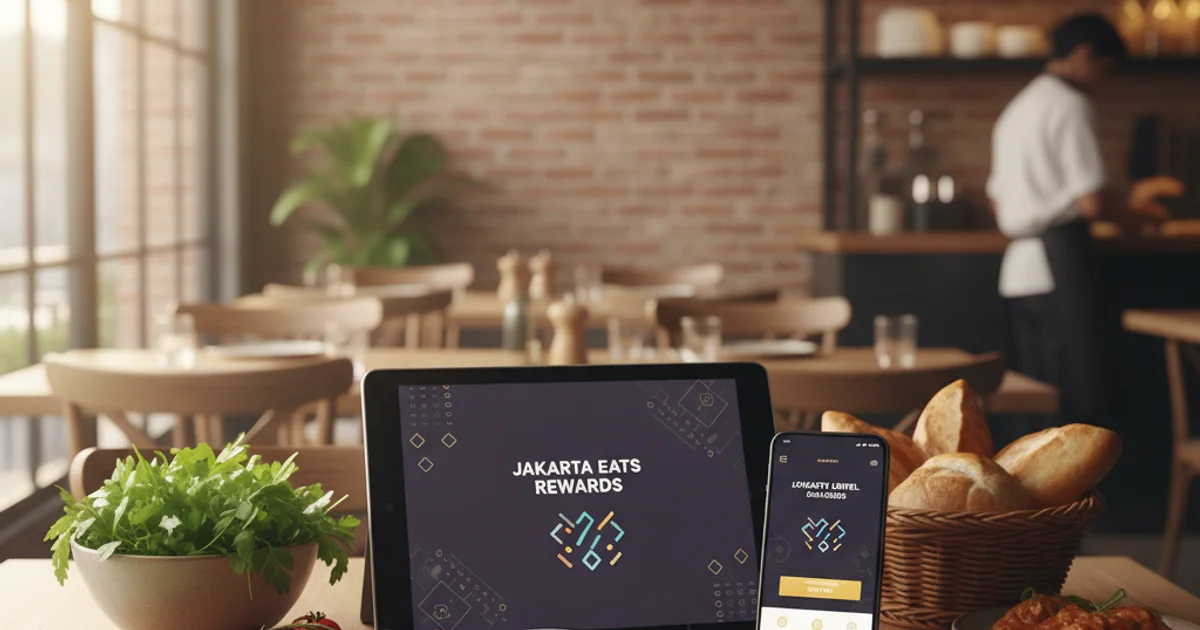
Jakarta's restaurant scene serves over 10 million residents daily, yet most establishments lose 80% of their customers after just one visit. The restaurants that break this pattern share one thing in common: they've moved beyond paper punch cards to digital loyalty systems that keep customers coming back.
Why Jakarta Restaurants Need Digital Loyalty Programs
Running a restaurant in Indonesia's capital means competing in one of Southeast Asia's most saturated F&B markets. With establishments ranging from high-end venues like Social House Grand Indonesia to neighborhood warungs, customer retention has become the difference between thriving and merely surviving.
When Jakarta diners have endless options within walking distance of any mall or business district, loyalty programs create the emotional connection that turns occasional visitors into regulars. Research shows that customers enrolled in loyalty programs visit restaurants nearly twice as often as those who aren't, and they spend significantly more per visit.
Digital loyalty programs work particularly well in Jakarta because of the city's mobile-first culture. Most residents already use GoFood and GrabFood for delivery, making them comfortable with app-based dining experiences. A digital stamp card feels natural to customers who are used to scanning QR codes for everything from payments to parking.
The traditional paper punch card approach falls short in Jakarta's fast-paced environment. Cards get lost in the shuffle of daily commutes, damaged by the humid climate, or forgotten at home when customers need them most. Digital programs eliminate these friction points while providing restaurants with valuable customer data and automated marketing capabilities.
Essential Features for Jakarta Restaurant Loyalty Programs
Digital Stamp Cards with QR Scanning The foundation of any effective loyalty program is a simple stamp collection system. Customers scan a QR code at checkout to earn stamps toward rewards. Unlike physical cards, digital stamps never get lost or damaged, and they're automatically backed up in the cloud.
Modern stamp card systems adapt to different spending patterns. A casual dining restaurant might award one stamp per visit, while a higher-end establishment could base stamps on spending thresholds. The key is making the earning structure clear and achievable for your target customers.
Milestone Rewards That Drive Repeat Visits The most successful Jakarta restaurants structure their rewards around customer behavior patterns. A coffee shop might offer a free drink after 10 stamps, while a full-service restaurant could provide a discount after 5 visits. The reward should feel valuable enough to motivate return visits without eroding profit margins.
Milestone rewards work because they create anticipation. Customers who are two stamps away from a reward are significantly more likely to return within the next week than those who just started collecting stamps.
Referral Programs for Word-of-Mouth Growth Jakarta's dining culture is highly social, making referral programs particularly effective. When existing customers invite friends and family, both parties should receive rewards. This creates a viral growth loop that can dramatically expand your customer base without paid advertising.
The most effective referral systems make sharing effortless. Customers should be able to send their referral code via WhatsApp, SMS, or social media with just a few taps. When their friends sign up and make their first purchase, both customers receive rewards automatically.
How Jakarta Restaurants Use WhatsApp for Customer Engagement
WhatsApp dominates business communication in Indonesia, with penetration rates exceeding 85% among smartphone users. Smart restaurants leverage this platform for automated customer engagement that feels personal rather than promotional.
Visit Confirmation Messages When customers earn stamps, they receive immediate WhatsApp confirmations showing their progress toward the next reward. These messages reinforce the value of your loyalty program and keep your restaurant top-of-mind between visits.
Milestone Celebrations and Reward Notifications The moment a customer earns a reward, they should receive a congratulatory WhatsApp message with instructions on how to claim it. This immediate gratification strengthens the psychological reward loop and encourages faster redemption.
Birthday and Special Occasion Outreach Automated birthday messages with special offers create memorable customer experiences. In Jakarta's competitive restaurant market, these personal touches help differentiate your brand from competitors who treat customers as anonymous transactions.
Research from Paytronix shows that leading restaurant operators now generate up to 37% of their transactions through loyalty program members, demonstrating the significant impact these systems can have on revenue.
Overcoming Common Implementation Challenges
Staff Training and Adoption The biggest obstacle most Jakarta restaurants face isn't customer adoption—it's getting staff comfortable with the new system. Successful implementations start with thorough training sessions that show employees how the loyalty program benefits both customers and the restaurant.
Create simple workflows for common scenarios: new customer signup, returning customer stamp collection, and reward redemption. Staff should be able to complete these processes confidently within their first week of training.
Integration with Existing Operations Modern loyalty programs complement rather than replace existing point-of-sale systems. Staff mention the loyalty program at checkout, customers scan a QR code on their phones, and stamps are awarded automatically. This approach works with any POS system without requiring expensive integrations or hardware changes.
Customer Education and Onboarding Jakarta diners are tech-savvy, but they still need clear instructions on how to join and use your loyalty program. Create simple signage explaining the benefits, train staff to mention the program during checkout, and consider offering a small welcome bonus to encourage initial signups.
The onboarding process should take less than 30 seconds. Customers enter their email address, receive a verification code, and immediately see their digital stamp card. The simpler the process, the higher your enrollment rates will be.
Measuring Success and ROI
Key Performance Indicators Track metrics that directly impact your bottom line: repeat visit frequency, average transaction value for loyalty members versus non-members, and customer lifetime value. These numbers tell you whether your program is actually driving profitable behavior.
Monitor enrollment rates and active participation levels. A loyalty program with high signups but low engagement indicates problems with your reward structure or communication strategy.
Customer Feedback and Program Optimization Regular customer feedback helps identify friction points and improvement opportunities. Simple post-visit surveys can reveal why some customers don't join your program or why others stop participating after initial enrollment.
Use this feedback to refine your reward structure, adjust communication frequency, or modify your staff training approach. The most successful loyalty programs evolve based on real customer behavior rather than assumptions.
According to Momentum Works research, Southeast Asia's food delivery market reached US$19.3 billion in 2024 with 13% growth, while traditional F&B grew just 4.6%, highlighting the importance of digital engagement strategies for restaurants.
Getting Started with Your Jakarta Restaurant Loyalty Program
Choosing the Right Platform Look for loyalty program platforms that offer WhatsApp integration, work on any smartphone without app downloads, and provide detailed analytics on customer behavior. The system should be simple enough for your staff to learn quickly while sophisticated enough to drive meaningful customer engagement.
STAMPEDE serves as the AI growth engine for local businesses, offering digital stamp cards, automated WhatsApp messaging, and referral programs designed specifically for Southeast Asian restaurants. The platform works alongside your existing POS system and requires no special hardware or app downloads.
Setting Up Your Reward Structure Start with a simple milestone system: collect a certain number of stamps to earn a reward. Base your stamp requirements on typical customer visit patterns. If most customers visit 2-3 times per month, set your first reward at 5-7 stamps to create achievable short-term goals.
Training Your Team Dedicate time to proper staff training before launching your program. Every team member should understand how to explain the benefits to customers, help with signup if needed, and process stamp collection and reward redemption smoothly.
The success of your loyalty program depends as much on staff enthusiasm as on the technology behind it. When your team genuinely believes in the program's value, customers will sense that confidence and be more likely to participate.
---