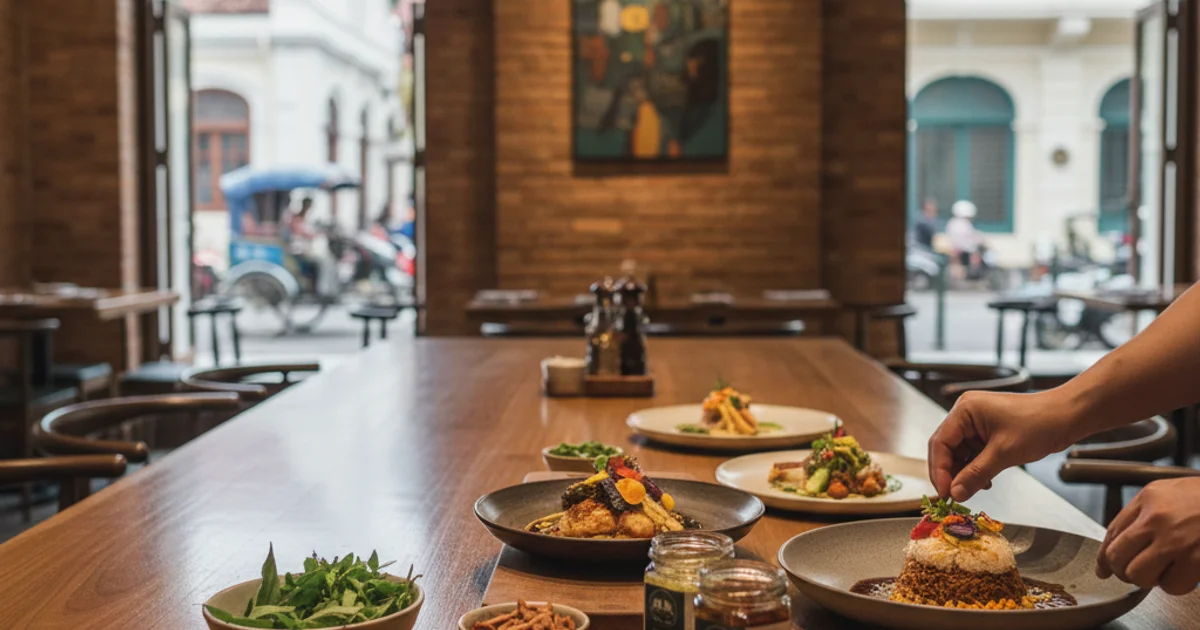
Running a restaurant in Semarang means competing with nearly a dozen other dining establishments, each vying for the same customers who have countless options from Simpang Lima to Kota Lama. While tourists might visit once, locals decide where their regular dining budget goes. The restaurants that thrive aren't just those with the best rendang or the most Instagram-worthy plating — they're the ones that make customers feel valued enough to return.
A loyalty app transforms occasional diners into regular customers by rewarding their visits and creating genuine connection points beyond the meal itself. For Semarang's restaurant scene, where personal relationships and community matter deeply, digital loyalty becomes the bridge between traditional hospitality and modern customer expectations.
Why Semarang Restaurants Need Digital Loyalty Programs
Semarang's dining landscape reflects the city's unique position as Central Java's capital and major port. The blend of Javanese and Chinese-Indonesian heritage creates a competitive environment where restaurants must appeal to both locals and the steady stream of business travelers and heritage tourists visiting Kota Lama.
Traditional customer retention methods — remembering names, offering occasional discounts, building personal relationships — still matter enormously. However, today's diners expect convenience and recognition that extends beyond face-to-face interactions. When someone visits Aroem Restaurant & Ballroom for a family celebration, they want that loyalty recognized on their next casual dinner visit.
Digital loyalty apps complement rather than replace personal service. They ensure no visit goes unnoticed and no regular customer feels forgotten, especially during busy periods when staff might not immediately recognize every familiar face.
The most successful loyalty programs in Indonesia's F&B sector understand local dining patterns. Research shows that increasing customer retention by just 5% can boost profits by as much as 95%. For restaurants operating on typically thin margins, this retention boost can mean the difference between struggling and thriving.
Essential Features for Restaurant Loyalty Apps
Digital Stamp Cards with Milestone Rewards The foundation of any restaurant loyalty program remains the familiar stamp card concept, now enhanced through smartphone technology. Customers earn stamps for each visit, working toward rewards like free appetizers, desserts, or percentage discounts on future meals.
Modern digital stamp cards eliminate the frustration of forgotten physical cards while providing restaurants with valuable visit data. Staff can quickly scan a QR code displayed on the customer's phone, adding stamps instantly without interrupting the dining flow.
WhatsApp Integration for Personal Connection In Indonesia, where WhatsApp reaches nearly every smartphone user, restaurant loyalty apps gain tremendous power through messaging integration. When customers in Semarang receive a WhatsApp message celebrating their fifth visit or offering a birthday discount, it feels personal rather than automated.
WhatsApp messages achieve 98% open rates compared to just 20% for email, making them invaluable for restaurant communication. A message about a new seasonal menu or a gentle reminder about an expiring reward reaches customers where they already spend significant time.
Referral Programs That Leverage Trust Networks Indonesian dining culture heavily emphasizes recommendations from friends and family. 83% of consumers trust recommendations from people they know more than any other form of advertising, making referral programs particularly effective for restaurants.
When a satisfied customer at Restoran Kampung Laut shares their loyalty app with friends, both parties should receive rewards. The referrer might earn bonus stamps while the new customer receives a welcome discount, creating a win-win scenario that encourages organic growth.
Implementation Strategy for Semarang Restaurants
Start with Core Staff Training The success of any loyalty program depends on staff adoption and enthusiasm. In Semarang's service-oriented restaurant culture, this means ensuring every team member understands how the app enhances rather than complicates their customer interactions.
Train staff to mention the loyalty program naturally during the ordering process, not as an afterthought when presenting the bill. "Would you like to earn stamps toward your free dessert?" becomes part of the service flow, much like asking about drink preferences.
Integrate with Existing Operations The best restaurant loyalty apps work alongside current systems rather than requiring complete operational overhauls. Whether a restaurant uses a simple cash register or a full POS system, the loyalty component should feel seamless.
Staff need quick access to customer stamp counts and available rewards without navigating complex interfaces during busy service periods. A simple QR code scan should immediately show a customer's status and any rewards ready for redemption.
Design Rewards That Match Local Preferences Semarang diners have specific preferences shaped by local food culture and economic considerations. Free rice portions might appeal more than expensive wine discounts. A complimentary es teler could generate more excitement than a 5% discount on the next visit.
Consider the dining patterns of your specific customer base. Business lunch customers might value quick service perks, while family dinner groups might prefer rewards that benefit the entire table.
Measuring Success and Optimizing Performance
Track Visit Frequency and Spending Patterns The primary goal of restaurant loyalty programs is increasing visit frequency rather than just average spend per visit. Monitor how often program members return compared to non-members, and track whether rewards encourage additional purchases beyond the minimum requirement.
Pay attention to redemption rates — rewards that rarely get claimed might be poorly positioned or insufficiently appealing. Conversely, rewards claimed immediately upon earning might be too generous and reduce profitability.
Monitor Customer Feedback and Engagement Indonesian customers appreciate being heard, especially when they take time to provide feedback. Use the loyalty app to gather simple ratings after visits, but more importantly, respond to concerns and suggestions promptly.
Track which communication methods generate the best response rates. Some customers prefer WhatsApp messages while others respond better to in-app notifications. Personalization based on individual preferences improves engagement significantly.
Analyze Revenue Impact The ultimate measure of loyalty program success is its impact on restaurant revenue and profitability. Calculate the lifetime value of program members versus non-members, factoring in both increased visit frequency and higher average spending.
Consider the cost of rewards against the additional revenue generated. A program that increases customer visits by 30% while providing 10% of revenue in rewards creates substantial net value for the restaurant.
Common Implementation Challenges and Solutions
Staff Resistance to Technology Some restaurant staff may initially resist adding technology to their service routine, particularly if they're comfortable with existing customer relationship methods. Address this by emphasizing how the app enhances rather than replaces personal service.
Provide simple, visual training materials and ensure the app interface is intuitive enough for quick adoption. Celebrate early wins when staff successfully use the program to delight customers.
Customer Adoption Hurdles Not all customers immediately embrace digital loyalty programs, particularly older diners who prefer traditional interactions. Offer multiple enrollment options and never make program participation feel mandatory.
Consider providing small immediate rewards for first-time app downloads to encourage trial. Once customers experience the convenience and benefits, adoption typically follows naturally.
Balancing Rewards with Profitability Generous rewards attract customers but can erode profit margins if not carefully calibrated. Start with conservative reward structures and adjust based on actual usage patterns and financial impact.
Remember that the goal is increasing overall customer lifetime value, not maximizing individual transaction sizes. A customer who visits twice as often while using occasional rewards generates more total profit than one who visits rarely despite higher per-visit spending.
The restaurant landscape in Semarang rewards establishments that combine excellent food with genuine customer care. A well-implemented loyalty app becomes an extension of that care, ensuring every customer feels valued and every visit contributes to a growing relationship. For restaurants ready to embrace digital tools while maintaining their personal touch, loyalty apps offer a clear path to sustainable growth and stronger customer connections.