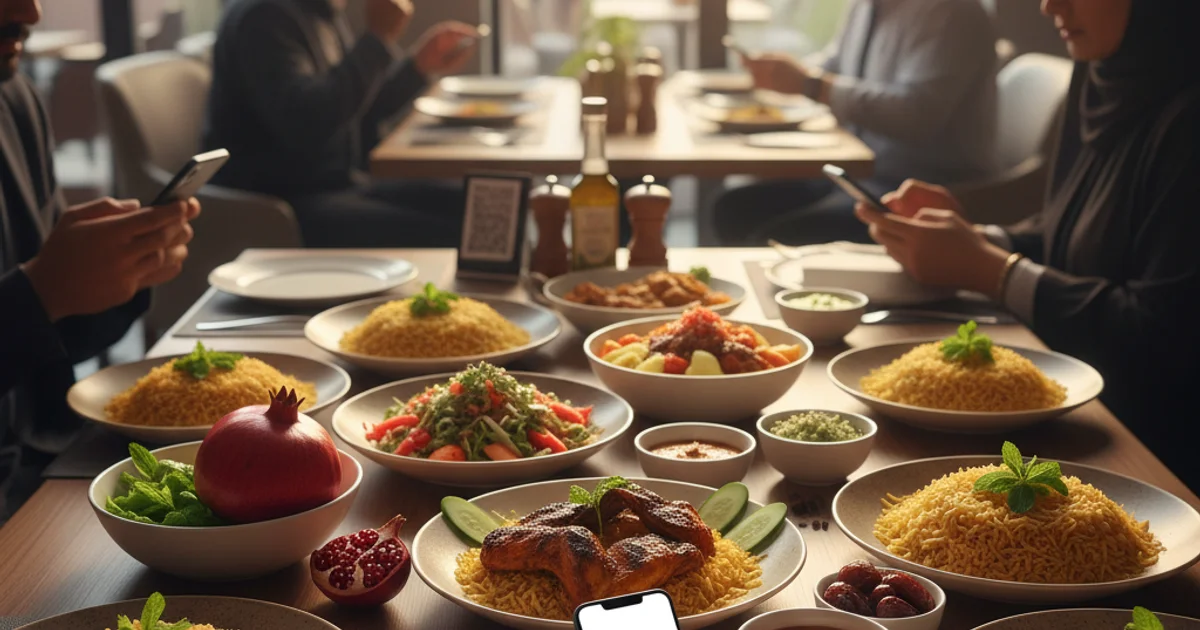
The lunch rush at Tampines Mall food court ends, but across the street at Abu Mubarak Mandi Rice Restaurant, customers keep streaming in. The owner watches as diners scan a simple QR code at their table, instantly joining a loyalty program that turns today's visitor into next week's regular.
This scene plays out daily across Tampines' 10 restaurant businesses, where smart operators have discovered that mobile apps aren't just for tech giants anymore. They're the bridge between serving great food and building lasting customer relationships.
Why Tampines Restaurants Need Mobile Apps
Tampines sits at the intersection of three MRT lines, drawing over 260,000 residents plus daily commuters through Tampines Mall, Century Square, and Tampines 1. This constant flow creates both opportunity and challenge for restaurant owners.
Mobile apps solve the visibility problem. When customers have dozens of dining options within walking distance, staying top-of-mind becomes crucial. A restaurant's mobile presence ensures they're not forgotten between visits.
The numbers support this shift. Research from Nielsen shows that consumers trust recommendations from friends and family 83% more than traditional advertising. Mobile apps amplify this trust by making it effortless for satisfied customers to share their experience with their network.
Tampines restaurants using mobile apps report higher customer retention. The convenience factor matters especially during evening peak hours (6-9pm weekdays), when decision fatigue hits hardest. Customers default to brands they can easily access and engage with.
STAMPEDE's Mobile App Features for Restaurants
STAMPEDE transforms any restaurant into a mobile-first business without requiring customers to download anything. The system works through web browsers, making it instantly accessible to Singapore's diverse customer base.
Digital stamp cards replace paper systems. Customers scan QR codes to earn stamps, with automatic milestone rewards that encourage repeat visits. The system handles everything from 1-stamp welcome bonuses to 20-stamp VIP programs, adapting to each restaurant's reward structure.
WhatsApp integration reaches customers where they already spend time. With WhatsApp usage exceeding 3 billion monthly users globally according to Meta, restaurants can send order-ready notifications, birthday rewards, and comeback offers directly through the platform customers check dozens of times daily.
Referral programs create viral growth loops. When a Tampines restaurant customer loves their meal, they can instantly share their referral code via WhatsApp or SMS. Both the referrer and new customer receive rewards, creating a system where satisfied customers become active promoters.
The Wharton School's research demonstrates that referred customers deliver 16% higher lifetime value and show 18% lower churn rates compared to other acquisition channels.
Mobile App Success Stories in Singapore
A chicken soup restaurant in Bedok built 2,500+ loyal customers using mobile loyalty, proving that traditional F&B can thrive in the digital space. Their success came from understanding that mobile apps aren't about replacing human connection – they're about enhancing it.
The key was simplicity. Instead of complex features, they focused on what mattered: easy stamp collection, clear rewards, and timely communication. Customers appreciated the straightforward value exchange.
Timing proved crucial for engagement. The most successful mobile implementations send messages when customers are actually making dining decisions, not during random hours. This restaurant saw their highest response rates during traditional meal planning windows.
Singapore's multicultural dining scene benefits particularly from mobile apps because they bridge language barriers through visual interfaces and can accommodate different cultural preferences for communication timing and frequency.
Implementation Strategy for Tampines Restaurants
Start with your existing customer flow. The most successful mobile app launches happen when restaurants integrate QR codes naturally into their service process. Place codes on tables, receipts, or near the cashier where customers already look.
Train staff on the value proposition. Your team should understand they're not just promoting an app – they're offering customers a way to save money and stay connected. Staff who can explain the immediate benefit see much higher adoption rates.
Choose rewards that reflect your brand. A family restaurant might offer birthday discounts for children, while a business lunch spot could focus on weekday loyalty bonuses. The reward structure should feel authentic to your restaurant's identity and customer base.
The Antavo Global Customer Loyalty Report found that 83% of loyalty programs measuring ROI report positive returns, generating 5.2 times more revenue than their operational costs.
Monitor and adjust based on real behavior. Mobile apps provide detailed analytics about customer preferences, visit patterns, and reward effectiveness. Use this data to refine your approach rather than guessing what works.
Technical Considerations for Restaurant Mobile Apps
No POS integration required. STAMPEDE works alongside your existing point-of-sale system rather than replacing it. Staff scan customer QR codes using any smartphone or tablet, keeping your current payment processing unchanged.
Progressive Web App technology eliminates download friction. Customers access your loyalty program through their browser, which can be saved to their home screen like a native app without visiting an app store.
Multi-language support serves Tampines' diverse population. The system supports English and Chinese interfaces, accommodating the area's multicultural customer base without requiring separate setups.
Offline functionality ensures reliability during peak hours. Even if internet connectivity becomes spotty during busy periods, customers can still earn stamps and view their rewards. The system syncs automatically when connection returns.
Measuring Mobile App ROI for Restaurants
Track customer lifetime value, not just download numbers. The real measure of mobile app success is how much more frequently customers visit and how much they spend per visit over time.
Monitor referral generation rates. Apps that successfully turn customers into promoters typically see 15-25% of active users sharing referral codes within their first month.
Analyze peak engagement timing. Successful restaurant apps identify when their customers are most responsive to messages and rewards, then optimize communication timing accordingly.
Calculate cost per retained customer. Compare the expense of your mobile loyalty program against traditional marketing channels. Most restaurants find digital loyalty costs significantly less per retained customer than print advertising or third-party delivery platform promotions.
According to data from SingStat published on data.gov.sg, Singapore's F&B services sector continues growing, making customer retention increasingly valuable as competition intensifies.
Future of Restaurant Mobile Apps in Singapore
Voice ordering integration is emerging. While still early, some restaurants are experimenting with voice-activated ordering through mobile apps, particularly for regular customers with established preferences.
AI-powered personalization will become standard. Apps will increasingly suggest menu items based on previous orders, dietary preferences, and even weather conditions or time of day.
Integration with Singapore's digital payment ecosystem will deepen. As PayNow and other local payment methods evolve, mobile restaurant apps will offer even more seamless transaction experiences.
Sustainability tracking appeals to conscious diners. Future apps may track customers' environmental impact through their dining choices, appealing to Singapore's growing sustainability awareness.
The foundation for these advances is being laid now by restaurants that start with solid mobile loyalty systems and build customer engagement habits that will support more sophisticated features as they develop.
---