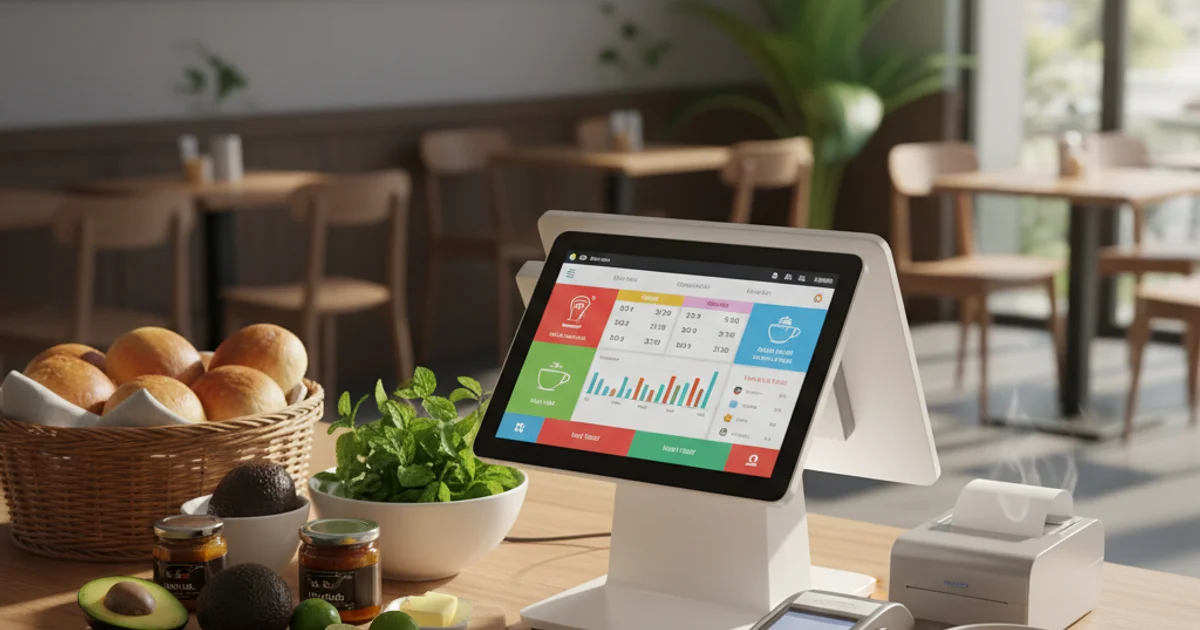
The lunch rush just ended at your Jurong West cafe, but the real work begins now. While customers enjoyed their kopi and toast, you've been mentally calculating today's sales, wondering which items sold best, and trying to remember if that regular customer has enough stamps for their free drink. Sound familiar?
Running a cafe in Jurong West means competing with established names like Suzuki Cafe and Roastery and Time Table Cafe, plus the convenience of nearby coffeeshops. Success isn't just about great coffee anymore — it's about systems that help you understand your business, serve customers faster, and build the kind of loyalty that keeps people coming back even when there's a new bubble tea shop opening every month.
Why Jurong West Cafes Need Modern POS Systems
Jurong West's cafe scene reflects Singapore's evolving coffee culture. With over 260,000 residents in the area and heavy foot traffic from Nanyang Technological University students, cafes here serve everyone from morning commuters grabbing their daily brew to families spending weekend afternoons over cake and conversation.
A modern POS system becomes your business intelligence center. Instead of guessing which pastries sell best during the 2pm lull or wondering why weekends feel busier but don't always show higher revenue, you get real data. When research shows that restaurant loyalty members spend more, with checks 5% larger than non-members, having systems that track and reward repeat customers becomes essential.
A POS system for cafes handles more than payments. It tracks inventory, manages staff shifts, processes loyalty rewards, and generates reports that show which menu items drive profit. For Jurong West cafes competing against both traditional kopitiam culture and modern chain competitors, this data advantage matters.
Essential POS Features for Singapore Cafe Operations
Singapore's diverse payment landscape demands flexibility. Your POS needs to accept cash, PayNow QR codes, credit cards, and mobile payments seamlessly. During peak hours at Jurong West's busy intersections, every second counts — customers expect fast service whether they're paying with their phone or exact change.
Inventory management becomes crucial for cafes. Track coffee bean usage, monitor pastry freshness dates, and get alerts when popular items run low. A good POS system knows that your afternoon crowd prefers iced drinks while morning customers want hot coffee, helping you prep accordingly.
Staff management features matter too. Schedule shifts, track individual performance, and manage access levels so cashiers can process orders but only managers can issue refunds. When you're running multiple shifts to cover Jurong West's extended business hours, clear accountability helps.
Menu flexibility supports Singapore's diverse tastes. Your POS should handle customizations easily — less sugar, extra shot, alternative milk. With Singapore's multicultural customer base, including the significant Muslim population in Jurong West, clear halal labeling and separate preparation tracking becomes important for trust and compliance.
Cost Considerations and ROI for Jurong West Cafes
POS system costs vary widely, from basic tablet setups starting around $50 monthly to comprehensive systems exceeding $200 per month. For Jurong West cafes, the sweet spot often lies in mid-range solutions that balance functionality with affordability.
Calculate ROI based on time savings and accuracy improvements. A cafe processing 200 transactions daily can save significant labor costs through faster checkout and automated inventory tracking. When consumers are more likely to do business with brands offering personalized experiences, the customer data your POS collects becomes valuable for targeted promotions.
Consider hidden costs: transaction fees typically range from 1.5% to 3.5% per card payment, monthly software subscriptions, hardware maintenance, and staff training time. Some providers charge extra for features like loyalty program integration or advanced reporting.
Local support matters in Singapore's competitive market. Choose providers with Singapore-based customer service and technicians who understand local payment methods and regulations. When your POS goes down during the morning rush, you need help within hours, not days.
Integration with Digital Loyalty Programs
Modern cafes succeed by combining efficient operations with customer retention strategies. Your POS system should work seamlessly with loyalty programs, even if they operate as separate systems.
Digital loyalty complements traditional POS operations. While your POS handles payments and inventory, a loyalty system like STAMPEDE manages customer engagement through stamp collection, referral rewards, and targeted messaging. This separation actually provides flexibility — you can upgrade your POS without losing customer loyalty data, or switch loyalty providers without changing your payment processing.
Customer experience improves when systems work together smoothly. A customer pays via your POS, then quickly scans a QR code to earn loyalty stamps. No app downloads, no complicated integrations, just simple workflows that keep lines moving during busy periods.
Loyalty data enhances POS insights. When you know which customers visit most frequently, you can design promotions that drive additional visits during slow periods. A cafe in Jurong West might offer double stamps during weekday afternoons to attract the work-from-cafe crowd when student traffic is lower.
Choosing the Right POS for Your Jurong West Cafe
Start by auditing your current processes. How many transactions do you handle daily? Which payment methods do customers prefer? Do you need multi-location support or inventory tracking across different product categories?
Consider your growth plans. If you're planning to open a second location or expand your menu significantly, choose a POS that scales without forcing you to switch systems later. Many successful Singapore cafe chains started with single outlets in neighborhoods like Jurong West before expanding island-wide.
Test the user interface during busy periods. Your staff should be able to process orders quickly even when the system is new. Complex interfaces slow down service and frustrate both employees and customers during peak hours.
Evaluate support and training offerings. The best POS system is worthless if your team can't use it effectively. Look for providers offering comprehensive training and ongoing support, especially during your initial weeks of operation.
Implementation and Staff Training Best Practices
Plan your POS implementation during slower periods, never during peak business hours. Most Jurong West cafes find success switching systems on weekday afternoons when customer volume is manageable and staff can focus on learning new processes.
Train staff in stages rather than all at once. Start with basic order processing, then add advanced features like inventory management and reporting over several weeks. This approach reduces overwhelm and ensures each function is mastered before moving to the next.
Create simple reference guides for common tasks. During busy periods, staff need quick reminders about processing refunds, applying discounts, or handling payment failures. Laminated cheat sheets near the register save time and reduce errors.
Monitor performance closely during the first month. Track transaction times, error rates, and customer feedback to identify areas needing additional training or system adjustments. Most issues surface within the first few weeks and are easily corrected with focused attention.