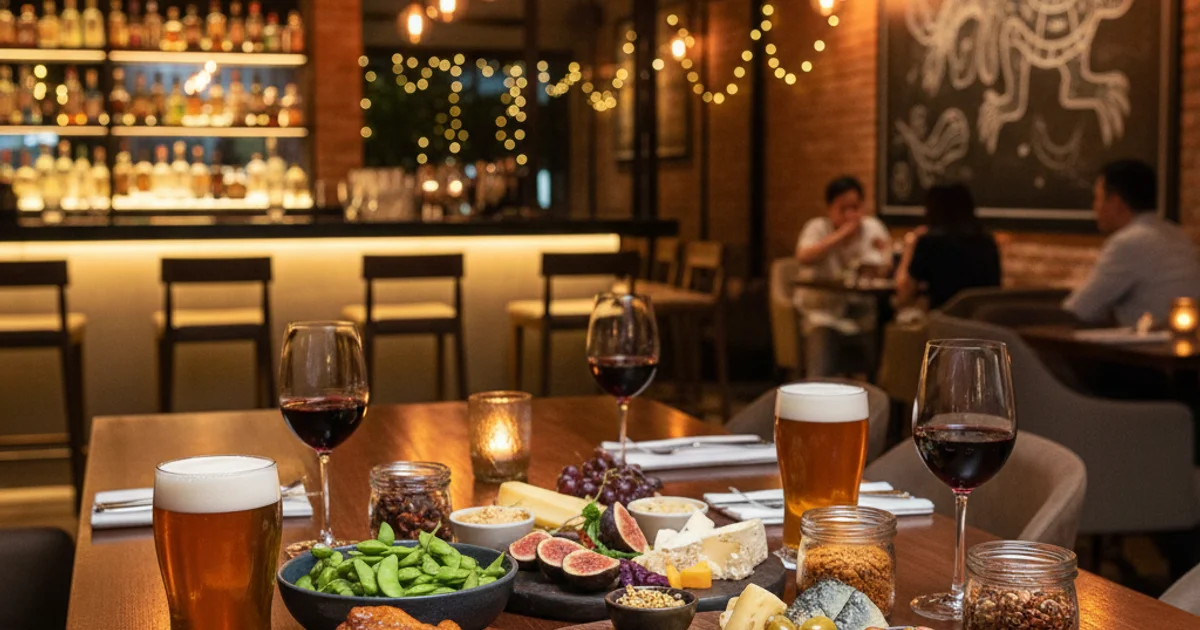
The late evening crowd at Bukit Timah's bars faces a challenge most owners don't see coming. While spots like Bar Bar Black Sheep and Little Lazy Lizard draw steady regulars, the real growth happens when those loyal customers become your best marketing team. In an area where 10 Bar & Pub establishments compete for the same after-work professionals and weekend social groups, word-of-mouth referrals can make the difference between a packed house and empty stools.
Why Bukit Timah Bars Need Referral Programs
Bar and pub owners in this affluent district know their customers well. The professionals living near King Albert Park MRT and the families around Bukit Timah Road represent a tight-knit community where recommendations carry serious weight. When someone vouches for a great happy hour or weekend hangout spot, their friends listen.
A structured referral program taps into this natural behavior while rewarding the customers who drive new business. Research shows that referred customers go on to refer 30% to 57% more new customers than those who discover your bar through other channels, creating a compounding effect that traditional advertising can't match.
The key difference between casual word-of-mouth and a formal referral system lies in tracking and rewards. Instead of hoping customers mention your bar to friends, you give them clear incentives and easy tools to share.
How Digital Referral Systems Work for Bars
Modern referral programs operate through simple digital mechanics that fit naturally into bar culture. Each regular customer receives a unique referral code they can share via WhatsApp, SMS, or social media. When someone new visits using that code, both the referrer and the new customer receive rewards.
The beauty of this system becomes clear during Bukit Timah's evening rush. Picture a customer at Better Days Cafe & Bar sharing their referral code with colleagues after work. Those colleagues visit the following week, each earning a welcome drink while the original customer accumulates referral credits. Within a month, one satisfied customer can bring in five new regulars.
STAMPEDE's referral system integrates with your existing operations without requiring staff training or complex setup. Customers scan a QR code to join, receive their unique code immediately, and start sharing. The platform handles tracking, reward distribution, and prevents fraud automatically.
Reward Structures That Drive Results
The most effective bar referral programs offer rewards that match customer behavior patterns. In Bukit Timah's social scene, where groups often meet for drinks after dinner or weekend gatherings, both parties need meaningful incentives.
Successful structures typically follow a two-sided reward model. The referrer might earn $10 credit for each successful referral, while new customers receive a complimentary first drink or 20% off their initial visit. This approach ensures the person making the referral feels valued while reducing the barrier for newcomers to try your establishment.
Tiered referral programs add another layer of engagement. A customer who brings in three friends might unlock premium rewards like priority seating or exclusive event invitations. For bars near Bukit Timah's business district, VIP perks resonate particularly well with professional clientele who value recognition and exclusive access.
The timing of reward delivery matters significantly. Immediate gratification works best for the new customer experience, while referrers appreciate rewards they can accumulate and use during future visits. Studies indicate that nearly four out of five consumers are more likely to engage with brands offering personalized experiences, and referral rewards represent the ultimate personalization.
Technology Integration for Seamless Sharing
Modern customers expect referral sharing to be as simple as sending a text message. The most effective systems integrate with communication channels people already use daily. WhatsApp dominates in Singapore, making it the natural choice for referral distribution.
When a customer wants to recommend your bar, they shouldn't need to remember complex codes or navigate multiple apps. The best referral platforms generate shareable links that work across WhatsApp, SMS, and social media. Recipients click the link, see your bar's information, and can immediately view their welcome offer.
Behind the scenes, the technology tracks every interaction. You'll see which customers are your best referral sources, which rewards drive the most new visits, and how referral customers behave compared to other acquisition channels. This data helps optimize both your referral program and broader marketing strategy.
STAMPEDE's platform handles the technical complexity while keeping the customer experience simple. Customers join your loyalty program, automatically receive referral capabilities, and can share their code within seconds. The system prevents common issues like self-referrals, fake accounts, and reward abuse.
Measuring Referral Program Success
Effective referral programs generate measurable business impact beyond just new customer counts. The key metrics reveal both immediate returns and long-term value creation.
Track your referral conversion rate first. This measures how many people who receive referral codes actually visit your bar. Healthy programs see 15-25% conversion rates, though this varies by reward value and local competition. In Bukit Timah's competitive landscape, higher-value rewards often justify themselves through improved conversion.
Customer lifetime value comparisons tell the deeper story. Referred customers typically spend more per visit and return more frequently than customers acquired through advertising or promotions. They arrive with built-in trust from their referrer's recommendation, leading to higher satisfaction and loyalty.
Revenue attribution shows the direct financial impact. Calculate the total spending from referred customers within their first 90 days, subtract the cost of referral rewards, and compare this to your customer acquisition cost through other channels. Most successful bar referral programs achieve 3:1 or higher returns on referral investment.
Monitor referrer engagement patterns to identify your most valuable advocates. Customers who consistently bring in new business deserve recognition beyond standard rewards. Some bars create informal "ambassador" programs for top referrers, offering special perks or early access to events.
Common Implementation Challenges
Bar owners often underestimate the importance of staff education when launching referral programs. Your team needs to understand how the system works, when to mention it to customers, and how to handle questions about rewards. A customer asking about their referral credit shouldn't receive a blank stare from bartenders.
Reward fulfillment represents another potential friction point. Customers expect their referral credits to work seamlessly during visits. Technical glitches or staff confusion about applying rewards can damage the program's credibility and customer relationships.
Preventing fraud requires ongoing attention. Customers might attempt self-referrals using different phones or email addresses, friends might collude to game the system, or competitors could try to exploit vulnerabilities. Robust referral platforms include built-in fraud detection, but operators should monitor unusual patterns.
Communication timing affects program adoption significantly. Mentioning referral opportunities too early in the customer relationship feels pushy, while waiting too long misses motivated advocates. Most successful bars introduce referral programs after customers have visited 2-3 times and demonstrated genuine satisfaction.
Integration with Existing Operations
Referral programs work best when they complement your current customer experience rather than disrupting it. The technology should integrate with your existing point-of-sale system, loyalty program, and marketing channels.
For bars using digital loyalty cards or stamp programs, referral capabilities can be added seamlessly. Customers who already scan QR codes for stamps can access their referral codes through the same app or platform. This unified approach reduces customer confusion and increases adoption rates.
Staff workflows need minimal adjustment when referral systems are properly designed. Bartenders and servers should be able to verify referral rewards using the same tools they use for other promotions. Complex multi-step processes create opportunities for errors and slow down service during busy periods.
Marketing integration amplifies referral program effectiveness. Social media posts can highlight successful referrals, email newsletters can remind customers about their referral codes, and in-venue signage can prompt sharing behavior. The goal is creating multiple touchpoints that reinforce the referral opportunity without overwhelming customers.