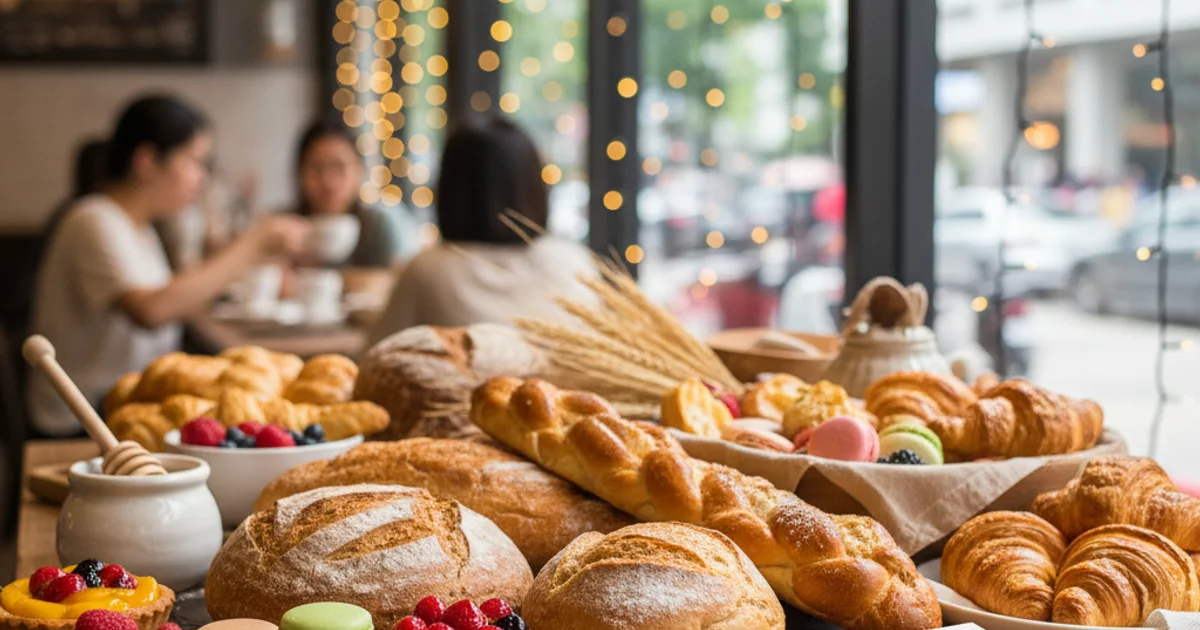
Walking into Causeway Point on a Saturday morning, you'll count at least six bakeries within a five-minute radius. From Annabella Patisserie's macarons to Duke Bakery's artisan breads, Woodlands bakery owners face intense competition for every customer who crosses their threshold.
The challenge isn't just attracting first-time buyers — it's turning them into regulars who choose your croissants over the shop next door. Traditional paper stamp cards helped, but they're easily lost, forgotten, or damaged. Today's successful Woodlands bakeries are switching to digital stamp cards that live on customers' phones, never get lost, and actually drive repeat visits.
Why Digital Stamp Cards Work for Woodlands Bakeries
Digital stamp cards eliminate the friction that kills customer loyalty. When someone buys a sourdough loaf from Woodlands Sourdough, they don't need to remember to bring a physical card next time. Their stamps live on their phone, always accessible.
Research from the Wharton School shows referred customers demonstrate 16% higher lifetime value and maintain 18% lower churn rates compared to non-referred customers. This data becomes particularly relevant for Woodlands bakeries, where word-of-mouth recommendations between HDB neighbors can significantly impact foot traffic.
The stamp card becomes a retention tool that works automatically. After collecting their fifth stamp at J & C Bakery's factory outlet, customers receive an immediate notification about their free pastry reward. No staff training required, no manual tracking needed.
Setting Up Your Bakery's Digital Stamp Program
The setup process takes less than an hour. You define how many stamps customers need for rewards — typically 8-10 stamps for bakeries, matching the frequency of weekly bread purchases.
Your reward structure should reflect your profit margins and customer behavior. Butter & Cream Bakery might offer a free croissant after 8 purchases, while On'Lee Artisan Bakery could provide a 20% discount on specialty items after 10 visits.
The system handles milestone celebrations automatically. When a customer reaches their stamp goal, they receive an instant WhatsApp notification with their reward details. According to Attentive's research, text messages achieve a 97% read rate within 15 minutes, ensuring your customers never miss their earned rewards.
Staff training is minimal. Cashiers learn to scan customer QR codes at checkout — the same motion they use for payment QR codes. The stamp gets added automatically, with no manual counting or card punching required.
WhatsApp Integration for Bakery Marketing
WhatsApp integration transforms your stamp card into a direct marketing channel. When customers opt in, you can send them updates about fresh batches, seasonal specials, or limited-time offers.
The platform's 3 billion monthly active users, as reported by Meta via Yahoo Finance, include most of your Woodlands customers. They're already checking WhatsApp multiple times daily, making it the ideal channel for bakery communications.
Your messages feel personal, not promotional. Instead of generic advertising, you're notifying loyal customers about rewards they've earned or new products they might enjoy based on their purchase history.
The timing matters. Send morning messages about fresh pastries arriving, or afternoon notifications about discounted day-old bread. Your customers receive relevant offers when they're most likely to act on them.
Referral Programs That Work for Bakeries
Word-of-mouth drives bakery success, especially in tight-knit communities like Woodlands. Digital stamp cards include built-in referral tracking that rewards customers for bringing friends.
Nielsen's research indicates that 83% of consumers trust recommendations from friends and family above any other form of advertising. This trust factor becomes powerful when you reward it systematically.
A customer who refers three friends to Tai Cheong Bakery might earn a free cake, while their friends each receive a welcome discount on their first purchase. Both sides benefit, and you gain multiple new customers from a single referral chain.
The tracking happens automatically. When someone signs up using a referral link, the system credits the referrer and sends them a notification about their earned reward. No manual record-keeping, no disputes about who referred whom.
Cost Analysis: Digital vs Traditional Cards
Traditional stamp cards cost approximately $0.15 per card to print, plus replacement costs when customers lose them. A Woodlands bakery serving 200 regular customers might spend $120 annually on card printing alone.
Digital stamp cards eliminate printing costs entirely. The monthly subscription covers unlimited customers, unlimited stamps, and all the automation features. For most bakeries, the digital system pays for itself within the first month through increased customer retention.
Harvard Business Review research shows that acquiring a new customer costs 5 to 25 times more than retaining an existing one. Your stamp card program focuses on retention, maximizing the value of customers you've already invested in acquiring.
The real savings come from automated marketing. Instead of paying for flyers or newspaper ads, you communicate directly with customers who've already shown interest in your products.
Integration with Your Current POS System
The digital stamp card works alongside your existing point-of-sale system without requiring integration. Staff scan customer QR codes as a separate step, keeping your current payment processing unchanged.
This independence protects you from technical complications. Whether you use a traditional cash register or a modern tablet POS, the stamp card system operates separately and reliably.
Your daily operations stay familiar. Customers pay through your normal process, then show their phone for stamp collection. The two-step approach ensures payment processing never gets disrupted by loyalty program issues.
For bakeries planning POS upgrades, the stamp card system will work with whatever new system you choose. You're not locked into specific hardware or software vendors.
Customer Data and Analytics
Digital stamp cards provide insights impossible with paper systems. You see which products drive repeat visits, which days generate the most loyalty activity, and which customers are most valuable to your business.
The data helps optimize your reward structure. If analytics show customers typically visit 12 times before churning, you might set your reward milestone at 10 stamps to re-engage them before they drift away.
You can identify your best customers and treat them accordingly. Someone with 50+ stamps over six months deserves different recognition than a casual visitor with three stamps.
The analytics also reveal seasonal patterns. Woodlands bakeries might see increased stamp activity during school holidays when families have more flexible schedules for bakery visits.
Measuring Success in Your Woodlands Bakery
Success metrics go beyond stamp collection numbers. Track repeat visit frequency, average purchase value among stamp card members, and customer lifetime value improvements.
According to the Antavo Global Customer Loyalty Report, 83% of loyalty programs that measure ROI report positive returns, generating 5.2 times more revenue than they cost. Your bakery can achieve similar results with consistent program management.
Monitor redemption rates to ensure rewards remain attractive. If only 30% of customers redeem earned rewards, your milestones might be too high or rewards insufficiently appealing.
Customer feedback provides qualitative insights. Ask stamp card members about their experience, preferred rewards, and suggestions for program improvements.