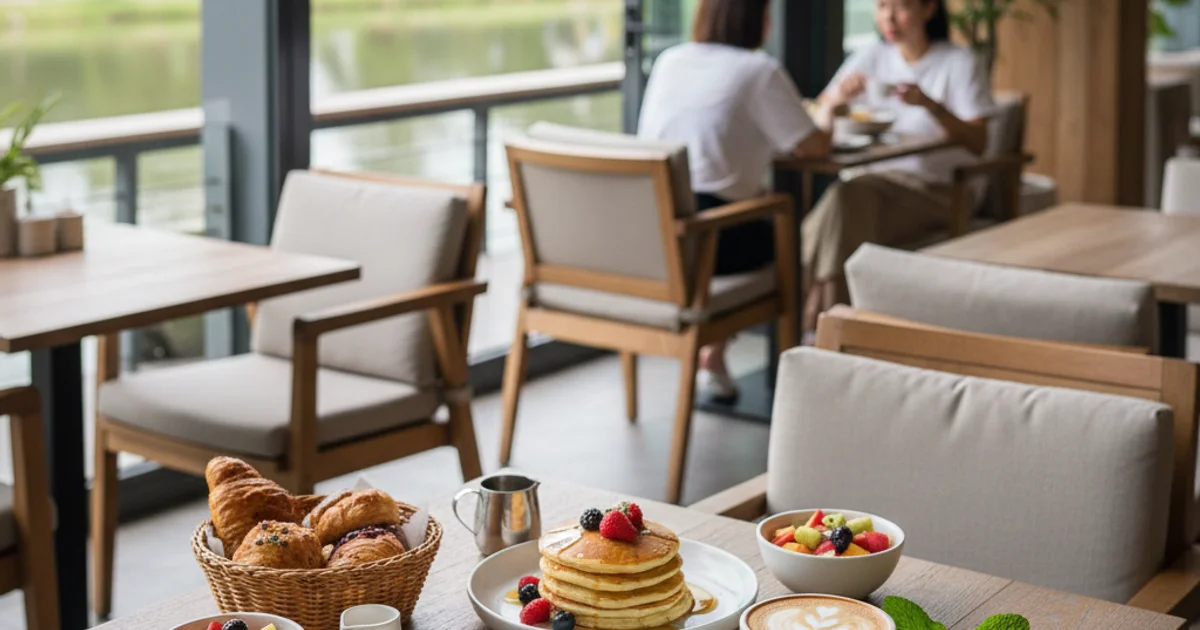
Walk into Punggol Coast Mall on a weekend morning and you'll count at least four cafes within 100 meters of each other. From Whisk & Paddle's waterfront terrace to White Cloud Cafe's minimalist interior, Punggol's cafe scene has exploded alongside the town's young family demographic. But here's what separates the cafes with lines out the door from those struggling to fill tables: the successful ones have cracked the code on getting existing customers to bring their friends.
Why Punggol Cafes Need Strategic Customer Referrals
The numbers tell the story.
Singapore's F&B sector is brutally competitive — over 13,000 F&B establishments compete for attention in a city-state of just 5.7 million residents, which is why retention economics matter more here than almost anywhere else.
Referral programs work because they solve the discovery problem. With 10 cafes operating in Punggol and weekend cycling crowds creating natural foot traffic around the waterway, word-of-mouth becomes your competitive edge. A structured referral system turns satisfied customers into active promoters, creating a sustainable growth loop that doesn't depend on expensive advertising.
The most effective cafe referral programs reward both the referrer and the new customer. When a regular at Rise & Grind Coffee Co. shares their experience with a neighbor, both parties need an incentive to complete the transaction. The referrer gets recognition for their loyalty, while the newcomer receives a compelling reason to try your cafe over the three others they passed on the way.
Building Your Cafe's Referral Foundation
Start with your existing customer base. Your regulars already love what you do — they're ordering their usual flat white, they know your staff by name, and they're bringing laptops for weekend work sessions. These customers are your referral goldmine, but they need a simple way to share their experience.
Digital referral systems outperform traditional word-of-mouth by providing tracking, rewards, and seamless sharing. Instead of hoping customers remember to mention your cafe to friends, you give them a personalized referral code they can share via WhatsApp or SMS.
Singapore has one of the highest WhatsApp penetration rates in the world — 87% of Singaporeans use WhatsApp, and the average user spends 2 hours 17 minutes on social platforms daily (Hashmeta).
The referral mechanism needs to be frictionless. Your customer finishes their coffee, opens their loyalty app, taps "Share," and sends their unique code to friends. No complicated forms, no email requirements, no barriers between intention and action.
Reward Structures That Drive Action
Flat rewards work best for cafes. While tiered programs can work for restaurants with higher ticket sizes, cafes benefit from simple, immediate rewards. A free coffee for the referrer and 20% off for the new customer creates clear value without complex calculations.
The reward timing matters more than the reward size. Immediate gratification beats delayed benefits — when someone signs up using a referral code, both parties should see their rewards instantly. The referrer gets confirmation that their recommendation worked, while the new customer can use their discount on their first visit.
Consider your average transaction value when setting reward amounts. If your typical order is $8-12, a $5 reward feels substantial. But if you're competing with hawker center coffee at $2, that same $5 reward becomes a powerful differentiator.
Seasonal adjustments keep referrals fresh. During Punggol's quieter weekdays, you might increase referral rewards to drive traffic. Weekend periods with natural foot traffic might use smaller rewards since discovery isn't the primary challenge.
WhatsApp Integration for Singapore Cafes
WhatsApp Business messages achieve a 98% open rate, vastly exceeding email's typical 20% — which is why restaurants serious about retention are moving critical reminders to WhatsApp.
Your referral program becomes more effective when integrated with WhatsApp notifications. When a customer refers a friend, they receive a WhatsApp confirmation with their reward details. When the friend makes their first purchase, the referrer gets another message celebrating the successful referral.
This creates a positive feedback loop. Customers start associating your cafe with good news in their WhatsApp inbox — reward notifications, milestone celebrations, and referral successes. Each message reinforces their connection to your brand and increases the likelihood of future referrals.
The messaging needs to feel personal, not automated. Instead of "User XYZ used your referral code," send "Sarah just tried your favorite matcha latte! Your free coffee is ready to claim." This approach acknowledges the human relationship behind the referral while providing clear next steps.
Measuring Referral Program Success
Track conversion rates, not just referral volume. A program that generates 50 referral codes but only converts 5 new customers needs adjustment. Focus on the complete funnel: codes shared → friends who visit → friends who become repeat customers.
The most important metric is customer lifetime value from referred customers versus other acquisition channels. Referred customers typically have higher retention rates because they arrive with social proof and realistic expectations set by their friends.
Monitor referral patterns by time and location. Punggol's weekend cycling crowd might generate different referral behavior than weekday remote workers. Understanding these patterns helps you optimize reward timing and promotional messaging.
Geographic tracking reveals expansion opportunities. If you're seeing referrals from nearby Sengkang or Hougang, those areas might be ready for a second location. Referral data becomes market research for future growth decisions.
Advanced Referral Strategies
Partner with complementary businesses. A cafe referral program can extend beyond your four walls. Partner with nearby fitness studios, co-working spaces, or children's enrichment centers. Cross-referrals create a network effect that benefits all participating businesses.
Limited-time referral campaigns create urgency. "Refer 3 friends this month and get a free bag of beans" gives existing customers a specific goal and timeline. These campaigns work especially well around holidays or local events like Punggol's waterway festivals.
Gamification increases engagement. Create referral leaderboards, milestone celebrations, or seasonal challenges. Your top referrer gets recognition and exclusive perks, while others see what's possible with active participation.
Consider referral program tiers based on customer loyalty level. Your daily regulars might get enhanced referral rewards compared to occasional visitors. This acknowledges their higher brand investment while incentivizing deeper engagement.
Implementation Without Technical Complexity
Modern referral programs don't require custom development or complex integrations. Cloud-based loyalty platforms handle the technical infrastructure while you focus on customer experience and reward design.
Start simple and iterate. Launch with basic referral codes and straightforward rewards. Collect data on what works, then add complexity gradually. A working simple system beats a perfect complex system that never launches.
Integration with your existing point-of-sale system should be seamless. Staff should be able to process referral rewards without additional training or complicated procedures. The simpler the operational impact, the more likely your team will embrace and promote the program.
For more insights on building customer loyalty systems that drive repeat business, check out our guide on WhatsApp Marketing Drives Bukit Timah Dessert Shop Growth and learn from successful implementations at CRM Systems Drive Queenstown Restaurant Customer Loyalty. You can also explore how other local businesses have built referral communities in Referral Programs Build Clementi Bakery Customer Communities.
---