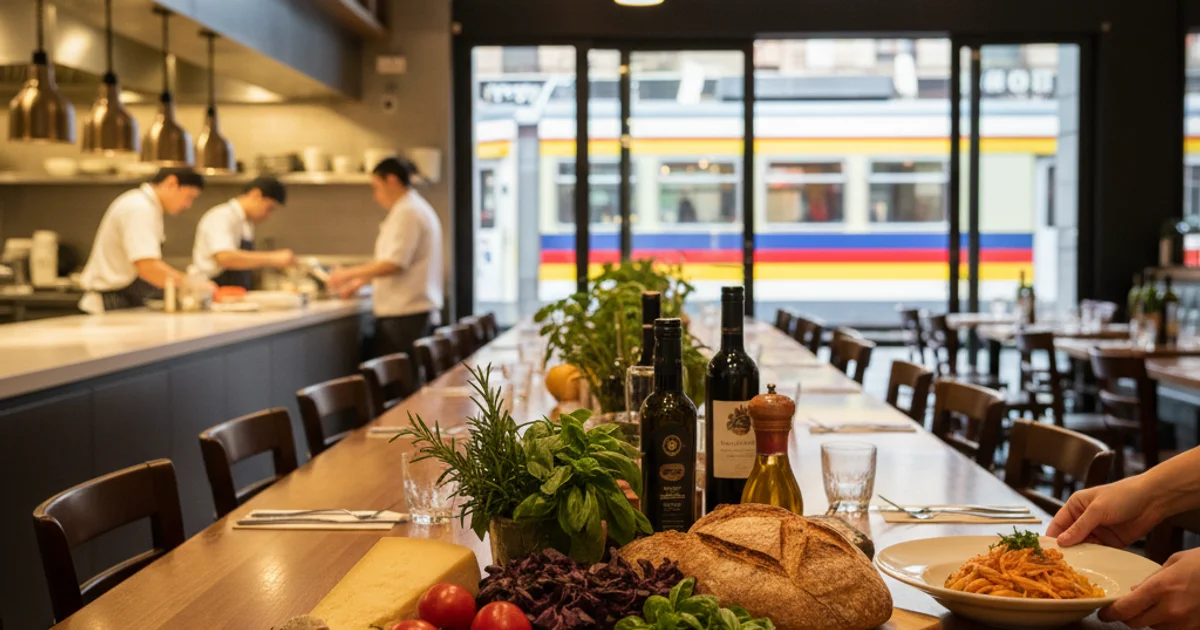
Melbourne's restaurant scene is fierce — with over 4,000 dining establishments packed into the CBD and surrounding suburbs, standing out requires more than just great food. The most successful restaurants have discovered that their existing customers are their best marketing asset, turning satisfied diners into active promoters who bring friends, family, and colleagues through the door.
A well-designed referral program transforms your regular customers into a sales force that works around the clock. When someone recommends your restaurant, they're putting their personal reputation on the line, which makes their endorsement incredibly powerful. Research shows that most positive referrals come from a brand's most loyal, highest-value customers — exactly the type of diners you want to multiply.
Why Melbourne Restaurants Need Referral Programs
Melbourne diners are spoiled for choice. From the laneway cafes of the CBD to the family restaurants of Richmond, competition is relentless. Traditional advertising feels impersonal in a city where word-of-mouth recommendations carry serious weight. When a Melbourne local tells their mate about a great new spot in Fitzroy, that recommendation carries more influence than any paid advertisement.
Referral programs work because they tap into existing trust networks. Your satisfied customers already talk about your restaurant — a structured program simply gives them a reason to do it more often and provides an easy way to track results. Instead of hoping conversations happen naturally, you create incentives that make sharing irresistible.
The economics are compelling too. Acquiring a new customer through referrals costs significantly less than traditional marketing channels, and referred customers typically show higher retention rates than those acquired through other means.
Essential Components of Restaurant Referral Programs
A successful referral program needs clear mechanics that both referrers and new customers understand immediately. The best programs reward both parties — the person making the recommendation gets recognition for their loyalty, while the newcomer receives an incentive to try your restaurant.
The reward structure should feel generous but sustainable. Popular options include percentage discounts (20% off their next meal), fixed dollar amounts ($15 off), or free items (complimentary appetizer or dessert). The key is choosing rewards that feel valuable to customers while maintaining your profit margins.
Timing matters enormously. The ideal moment to invite referrals is right after a positive dining experience, when satisfaction is highest. This could be through a follow-up message, printed on receipts, or mentioned by staff during service. STAMPEDE's referral system captures these peak moments by making sharing effortless through WhatsApp, SMS, or social media.
Two-Way Rewards That Actually Work
The most effective referral programs benefit both the referrer and the person being referred. This creates a win-win situation that feels fair to everyone involved. Single-sided rewards often fail because they don't provide enough motivation for customers to actively promote your restaurant.
Consider these proven two-way structures: Give the referrer a $20 credit when their friend makes their first visit, while the new customer receives 15% off their inaugural meal. Or offer both parties a complimentary appetizer on their next visit. The specific amounts matter less than ensuring both people feel valued.
Customers acquired through referrals demonstrate stronger loyalty than those from other channels — they tend to visit more frequently and spend more per visit. This higher lifetime value justifies generous referral rewards because you're investing in customers who are likely to become long-term regulars.
Melbourne's social dining culture makes referral programs particularly effective. People here regularly dine in groups, celebrate occasions at restaurants, and actively seek recommendations from friends. A customer who refers others is likely to bring those same people back for future group dinners, multiplying the value of each successful referral.
Digital vs Traditional Referral Tracking
Traditional referral tracking relies on customers mentioning a friend's name or presenting physical cards. While this approach works, it creates friction that reduces participation rates. Digital systems eliminate these barriers by making sharing and tracking automatic.
Modern referral programs use unique codes or links that customers can share instantly. When someone clicks their friend's referral link or uses their code, the system automatically tracks the connection and applies rewards. This removes guesswork and ensures accurate attribution.
STAMPEDE's digital referral system integrates with your existing customer database, tracking the complete journey from initial share to repeat visits. You can see which customers are your best referrers, which channels generate the most successful referrals, and how referred customers behave compared to other segments.
The data insights alone make digital tracking worthwhile. You'll discover patterns like which menu items referred customers order most frequently, what times of day they prefer to visit, and how their spending patterns evolve over time.
Measuring Referral Program Success
Successful referral programs require ongoing measurement and optimization. The most important metrics include referral participation rate (what percentage of customers make referrals), conversion rate (how many referred prospects actually visit), and the lifetime value of referred customers.
Track both immediate and long-term results. While initial conversion rates show program appeal, the real value appears over months as referred customers develop dining habits. Studies indicate that customers acquired through referrals maintain higher retention rates than those from other acquisition channels, making them more valuable over time.
Monitor which types of rewards generate the most activity. Some restaurants find that experiential rewards (priority reservations, chef's table access) work better than discounts, while others see better results with straightforward monetary incentives. Test different approaches and let data guide your decisions.
Melbourne's diverse dining scene means what works in South Yarra might not work in Brunswick. Consider running different referral campaigns for different locations or customer segments to maximize effectiveness across your entire customer base.
Implementation Best Practices
Rolling out a referral program requires clear communication and staff training. Your team needs to understand how the program works so they can explain it confidently to customers. Create simple talking points that servers can use naturally during service.
Start with your most engaged customers. These loyal diners are most likely to participate early and provide feedback on what's working. Their initial success creates momentum that encourages broader participation as word spreads about the program's benefits.
Make sharing effortless by providing multiple channels. Some customers prefer WhatsApp, others use Instagram, and some still like email. The easier you make it to share, the more referrals you'll generate. STAMPEDE provides native sharing options for all major platforms, removing technical barriers that might prevent participation.
Consider seasonal promotions that add urgency to your referral program. "Refer a friend this month and both receive a complimentary bottle of wine" creates time-limited excitement that drives immediate action.
Common Referral Program Mistakes
Many restaurants launch referral programs with rewards that are too small to motivate action. A 5% discount rarely compels someone to actively promote your restaurant. The reward should feel substantial enough to justify the effort of making a recommendation.
Avoid making the program too complicated. Complex rules about when rewards apply, minimum spending requirements, or restrictions on certain menu items create confusion that kills participation. Simple, clear programs consistently outperform elaborate ones with multiple tiers and conditions.
Don't neglect program promotion. Even the best referral program fails if customers don't know it exists. Include information on your website, mention it in email communications, and train staff to bring it up during appropriate moments in service.
Failing to follow up is another common mistake. When someone makes a referral, acknowledge it immediately. When their friend visits, let the referrer know their recommendation worked. This positive reinforcement encourages continued participation and strengthens customer relationships.
Technology That Powers Modern Referrals
Today's referral programs run on sophisticated platforms that handle tracking, reward distribution, and performance analytics automatically. These systems integrate with existing customer databases and point-of-sale systems to create seamless experiences for both staff and customers.
Look for platforms that offer real-time tracking and automated reward fulfillment. Manual processing creates delays that diminish program effectiveness. When rewards appear instantly, customers feel the immediate gratification that reinforces positive behavior.
STAMPEDE's referral technology works alongside existing restaurant operations without requiring new hardware or complex integrations. The system complements your current POS setup rather than replacing it, making implementation straightforward for restaurants of any size.
Mobile-first design ensures the referral experience works perfectly on smartphones, where most sharing happens. Customers can generate and share referral codes directly from their phones, making participation effortless even when they're away from your restaurant.
Building Long-Term Referral Success
The most successful referral programs evolve based on customer feedback and performance data. What works initially might need adjustment as your customer base grows and preferences change. Regular program reviews help identify optimization opportunities.
Create referral campaigns around special events or menu launches. "Refer friends to try our new winter menu" gives customers a specific reason to share and creates natural conversation starters. These focused campaigns often generate higher participation than always-on programs.
Consider tiered rewards for your most active referrers. Customers who consistently bring new people deserve recognition beyond standard rewards. VIP experiences, exclusive tastings, or personalized service acknowledgments show appreciation for their ongoing advocacy.
Remember that referral programs work best when they're part of a broader customer retention strategy. Combine referrals with loyalty rewards, birthday programs, and regular communication to create a comprehensive system that keeps customers engaged long-term.