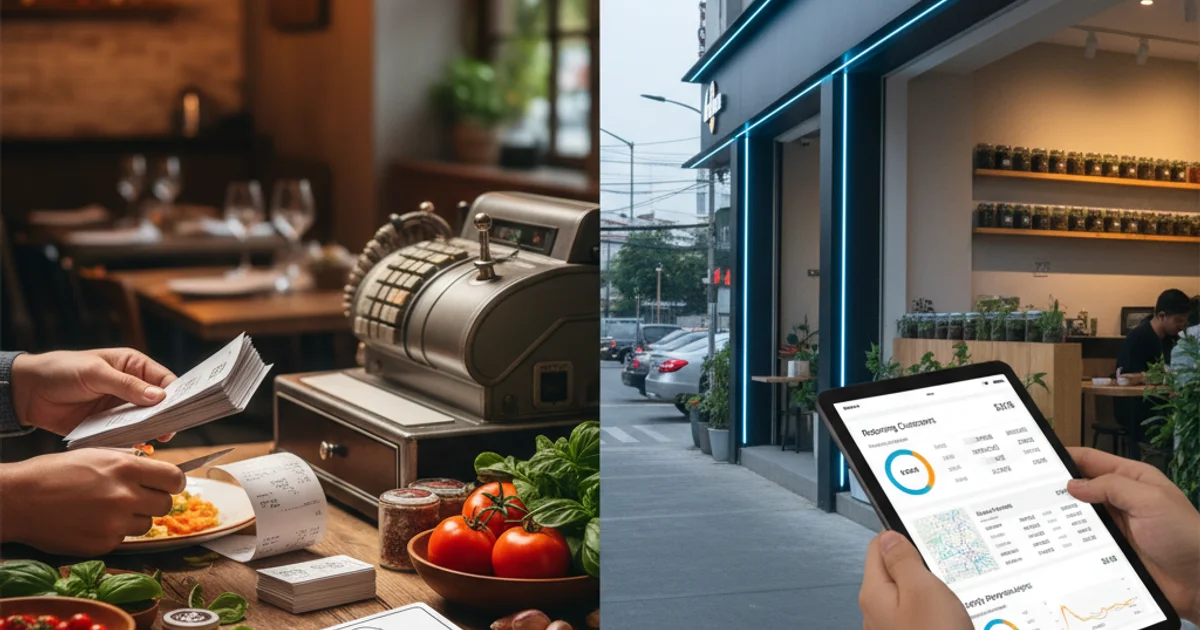
The restaurant owner at Tomas Morato counts the day's receipts while her competitor across the street scrolls through a tablet, watching real-time data on returning customers. One relies on memory and cash register totals. The other has built a system that turns every meal into future visits.
This difference isn't about budget or location—it's about understanding that customer loyalty determines which Quezon City restaurants thrive and which struggle to fill tables during off-peak hours.
Digital Stamp Cards Transform Quezon City Restaurant Operations
Traditional punch cards collect dust in wallets while customers forget to bring them. Digital stamp cards live on smartphones, where Filipinos already spend hours daily managing everything from GCash payments to social media.
When restaurants like those in Eastwood City or along Maginhawa Street implement digital stamp systems, they create a direct connection to each customer's phone. Every visit becomes an opportunity to build loyalty rather than hoping customers remember to carry a physical card.
Digital stamp cards eliminate the friction that kills traditional loyalty programs. Customers scan a QR code with their existing camera app—no downloads, no new passwords, no learning curve.
The system works particularly well in Quezon City's dining landscape, where mall-based chains compete with independent restaurants for customer attention. While SM North EDSA and Trinoma house established loyalty programs, independent operators need tools that level the playing field.
Research from customer retention specialists shows that businesses with effective loyalty programs generate returns over five times their investment costs. For Quezon City restaurants operating on tight margins, this return potential transforms stamp cards from a nice-to-have into essential infrastructure.
WhatsApp Integration Drives Customer Engagement
Filipino diners expect immediate communication through their preferred messaging platform. When a customer earns their fifth stamp at a Diliman restaurant, WhatsApp delivers the reward notification instantly—no app notifications that get ignored or emails that land in spam folders.
The messaging integration extends beyond simple notifications. Restaurants can send milestone reminders ("2 more visits for your free dessert!"), birthday rewards, and comeback messages to customers who haven't visited recently.
WhatsApp messages achieve near-universal open rates in the Philippines, making them more effective than traditional marketing channels. A Quezon City restaurant owner can reach customers directly without competing against Facebook algorithm changes or Instagram's declining organic reach.
The system respects customer preferences—opt-in is always voluntary, and customers can adjust their notification settings. This approach builds trust while maintaining the direct communication line that drives repeat visits.
Studies indicate that customers who receive personalized messages return 18% more frequently and spend more per visit compared to those who don't receive targeted communications.
Referral Programs Amplify Word-of-Mouth Marketing
Quezon City's dining scene thrives on recommendations. University students share discoveries with classmates. Office workers in Eastwood recommend lunch spots to colleagues. Families spread word about weekend dining finds through group chats.
Digital stamp cards can capture and amplify this natural word-of-mouth behavior through structured referral programs. When customers share their unique referral code, both the referrer and new customer receive rewards—creating incentives for organic promotion.
Referral programs work especially well for restaurants near UP Diliman and Ateneo de Manila, where social networks are tight and dining recommendations carry significant weight. Students and young professionals actively share experiences through social media and messaging groups.
The referral system tracks attribution automatically. Restaurant owners see exactly which customers drive the most new business, allowing them to recognize and reward their best advocates with special perks or exclusive access.
According to marketing research, referred customers demonstrate 16% higher lifetime value and stick with businesses 18% longer than customers acquired through other channels.
Real-Time Analytics Guide Business Decisions
Quezon City restaurant owners need data that helps them make immediate operational decisions. Digital stamp cards provide real-time visibility into customer behavior patterns, peak hours, and loyalty program performance.
The analytics dashboard shows which menu items customers order most frequently, which days see the highest redemption rates, and how long customers typically take to complete their stamp cards. This information guides everything from staffing decisions to menu adjustments.
Restaurant owners can identify their most valuable customers and create targeted campaigns to increase visit frequency. Instead of broad promotions that erode margins, they can offer personalized incentives to specific customer segments.
For multi-location operators with branches across Quezon City, the system provides per-location breakdowns. An owner can see that their Maginhawa branch attracts younger customers who visit more frequently, while their Tomas Morato location draws families who spend more per visit.
Industry data shows that restaurants using customer analytics increase their repeat visit rates significantly compared to those relying on intuition alone.
Mobile-First Design Matches Filipino Consumer Behavior
Filipinos use smartphones for banking, shopping, entertainment, and communication. Restaurant loyalty programs that don't work seamlessly on mobile miss the mark entirely.
Digital stamp cards are built mobile-first, with large touch targets, fast loading times, and interfaces optimized for one-handed use. Customers can check their progress, browse available rewards, and share referral codes without switching between apps.
The system works equally well on budget Android devices and premium iPhones. This inclusive approach ensures that restaurants can serve customers across all income levels without creating barriers based on device capabilities.
QR code scanning requires no special apps or technical knowledge—customers use their built-in camera app, making the experience as simple as taking a photo. This simplicity removes adoption barriers that plague more complex loyalty systems.
Email marketing statistics show that mobile-optimized communications achieve significantly higher engagement rates, with open rates exceeding 35% across various industries.
Cost-Effective Alternative to Traditional Marketing
Quezon City restaurants face increasing competition for customer attention. Traditional advertising through radio, print, or even social media ads requires ongoing budget with uncertain returns.
Digital stamp cards flip this model by turning existing customers into a marketing channel. Every stamp earned, reward claimed, and referral shared extends the restaurant's reach without additional advertising spend.
The system pays for itself through increased customer lifetime value and reduced acquisition costs. Instead of constantly seeking new customers through paid channels, restaurants can focus on maximizing value from their existing customer base.
For independent restaurants competing against chain establishments with larger marketing budgets, this approach levels the playing field. A well-executed loyalty program can create customer stickiness that brand recognition alone cannot match.
Market research demonstrates that acquiring new customers costs five to seven times more than retaining existing ones, making customer retention programs essential for sustainable growth.
Implementation Process and Staff Training
Setting up digital stamp cards requires minimal technical expertise. Restaurant owners configure their reward structure, upload their logo and brand colors, and generate QR codes for each location.
Staff training focuses on the customer interaction: explaining the program benefits, helping customers scan their first QR code, and processing reward redemptions. The entire process takes less than 30 seconds per customer.
The system integrates with existing point-of-sale workflows rather than replacing them. Cashiers continue using their current POS system while adding the loyalty interaction as a final step in each transaction.
For restaurants with multiple staff members, the admin dashboard provides role-based access. Owners see comprehensive analytics while cashiers access only the scanning and redemption functions they need for daily operations.
Training materials and ongoing support ensure that implementation goes smoothly, even for restaurants with limited technical resources.