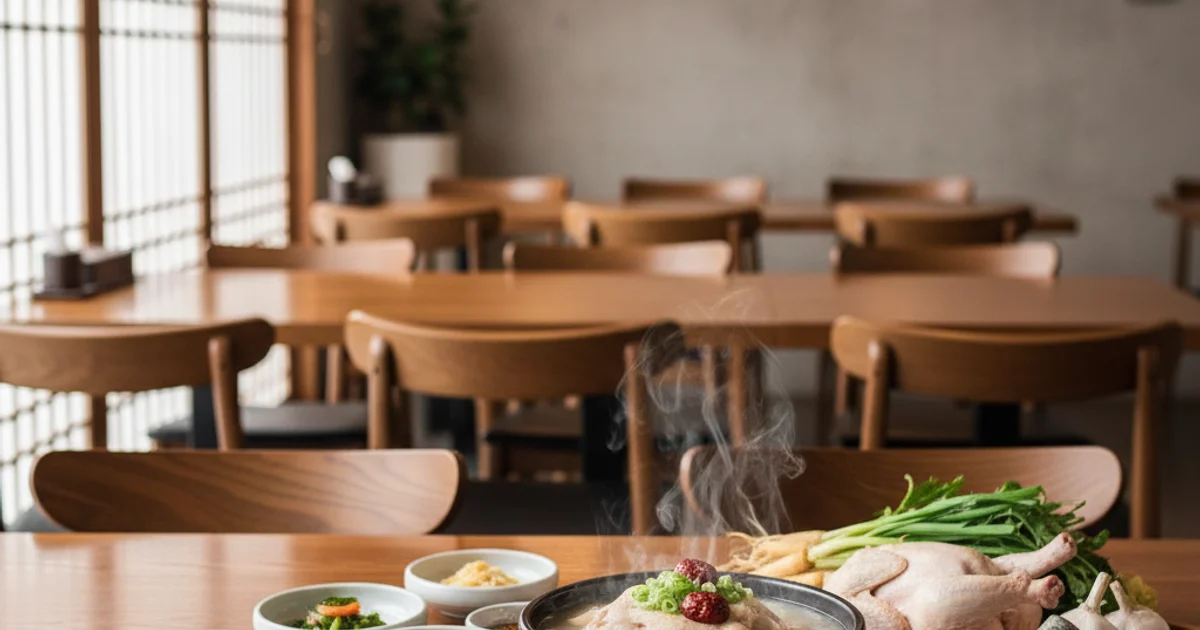
Last Tuesday at 2 PM, a Korean chicken soup stall in Bedok had three customers. By Thursday at the same time, they had a queue of twelve people.
The difference? One WhatsApp message sent to loyalty members: "Rainy day special: Buy one samgyetang, get Korean pancake free. Today only, while stocks last."
Restaurant owners know the pain of empty tables during off-peak hours. Rent doesn't care if it's a slow Tuesday. Staff wages don't adjust for rainy weather. But WhatsApp broadcast campaigns can turn dead hours into profit hours — if you build them right.
What makes WhatsApp broadcasts work for restaurants
WhatsApp broadcasts reach customers instantly with high open rates, significantly outperforming email marketing in Singapore's F&B sector.
Unlike social media posts that reach 3-5% of your followers due to algorithm filtering, WhatsApp messages land directly in your customer's most-used app. The average Singaporean checks WhatsApp 23 times per day. Your broadcast doesn't compete with an algorithm — it sits next to messages from family and friends.
But the real power is targeting. Social media ads cast wide nets. WhatsApp broadcasts hit your existing customers — people who've already eaten at your restaurant, proven they like your food, and given you permission to message them.
The setup requires three components: a customer database with phone numbers, WhatsApp Business API access, and message templates approved by Meta. Most restaurant owners get stuck on the technical setup. The customer database part is actually the hardest piece.
📊 Real results
OMMA Chicken Soup reached 309 members using digital stamp cards, achieving 59.3% coupon redemption rates. Read the full case study →
Building your customer database the right way
Your customer database is your broadcast fuel. No database means no one to message.
The fastest way to build a restaurant customer database in Singapore is through digital loyalty programs. When customers scan a QR code at checkout to collect stamps, they provide their phone number. This creates a direct line to your most valuable customers — repeat visitors who've proven they'll come back.
Paper stamp cards don't build databases. They just create plastic waste. Digital stamps create customer profiles with visit frequency, favourite menu items, and spending patterns. This data powers targeted broadcasts.
CHA MULAN has 810+ members across their 7 outlets. Each member represents a phone number that can receive WhatsApp broadcasts. The multi-branch setup allows location-specific targeting based on which outlet each customer prefers to visit.
The key is making signup frictionless. No app downloads. No lengthy forms. Scan QR code, enter phone number, get first stamp. Takes 15 seconds. Customers see immediate value — their digital stamp card — while you capture their contact information.
Staff training matters here. The cashier needs to mention the loyalty program at every transaction. "Scan this QR code to collect stamps and get rewards." Make it part of the checkout routine, like asking if they want a receipt.
Crafting messages that drive immediate action
WhatsApp broadcast messages for restaurants need three elements: urgency, value, and simplicity.
Urgency means time limits. "Today only," "Next 2 hours," or "While stocks last." Without urgency, customers save the message for later and forget. With urgency, they decide immediately.
Value means clear benefit. "20% off your next meal" is clear. "Special promotion" is vague. The customer should understand exactly what they're getting and why it matters to them.
Simplicity means one clear action. Don't combine multiple offers in one message. Don't include your full menu. One offer, one call-to-action, one decision for the customer to make.
Here's what works: "Rainy day special at [Restaurant Name]: Buy any main dish, get free dessert. Today only until 6 PM. Show this message to redeem."
Here's what doesn't work: "Hi! Hope you're having a great week. We have several promotions running this month including 20% off appetizers on Tuesdays, buy-one-get-one bubble tea on weekends, and a new set menu available for lunch and dinner. Come visit us soon!"
The first message drives action. The second message gets ignored.
Timing your broadcasts for maximum impact
Restaurant WhatsApp broadcasts work best when they solve immediate problems. Empty lunch tables at 11:30 AM. Slow dinner service at 5 PM. Rainy day foot traffic drops.
Send broadcasts 30-60 minutes before the desired action. Lunch specials go out at 11 AM for noon crowds. Dinner promotions at 4:30 PM for 6 PM bookings. This gives customers time to see the message and adjust their plans.
Day-of-week patterns matter in Singapore's restaurant scene. Monday and Tuesday are typically slower. Wednesday picks up. Thursday and Friday are strong. Weekend patterns vary by location — CBD restaurants die on weekends, heartland restaurants thrive.
Weather-triggered broadcasts perform exceptionally well. Rainy days kill foot traffic for most restaurants. A "rainy day comfort food special" sent when rain starts can fill tables while competitors sit empty.
Avoid broadcast fatigue by limiting frequency. One broadcast per week maximum for promotional messages. Customers who get daily promotional messages will opt out. Save broadcasts for when you really need to drive traffic.
💡 WhatsApp Automation
STAMPEDE includes 12 pre-written WhatsApp templates for restaurants, from milestone rewards to birthday specials. Learn how automation works →
Segmenting your audience for better results
Not all restaurant customers are the same. Your broadcast strategy shouldn't be either.
Segment by visit frequency first. Regular customers (weekly visitors) respond to different messages than occasional customers (monthly visitors). Regulars might appreciate early access to new menu items. Occasional customers need stronger incentives to visit more often.
Segment by spending level second. High-value customers who typically order appetizers, mains, and drinks respond to premium offers. Budget-conscious customers who order single items respond to value deals.
Segment by recency third. Customers who haven't visited in 30+ days need "we miss you" campaigns with compelling offers. Recent visitors might respond to simple menu updates or event announcements.
Location matters for multi-branch restaurants. A customer who always visits one specific outlet probably won't travel far for a promotion. Send location-specific broadcasts based on their visit history.
Time-of-day preferences also create segments. Lunch customers rarely become dinner customers and vice versa. Don't send dinner promotions to someone who only eats lunch at your restaurant.
The most effective restaurant broadcasts feel personal. Location-specific messaging performs better than generic citywide messages.
Connecting broadcasts to your growth engine
WhatsApp broadcasts work best as part of a complete growth system, not as standalone tactics.
The retain → grow → engage loop starts with loyalty stamps that capture customer data. Stamps create the database. WhatsApp broadcasts engage that database to drive repeat visits. Referral programs turn satisfied broadcast recipients into customer acquisition channels.
When a broadcast drives a visit, that visit should generate stamps toward the next reward. The reward creates another engagement opportunity. The satisfied customer becomes more likely to refer friends. Each broadcast strengthens the entire growth loop.
Digital loyalty programs provide the foundation data for smart broadcast targeting. Customers with 8 out of 10 stamps get different messages than customers with 2 out of 10 stamps. Near-milestone customers respond to "one more visit" messaging.
AI business intelligence tracks which broadcast messages drive the most visits and revenue. This data improves future campaigns. Restaurant AI reports show which customer segments respond best to which message types, optimizing your broadcast strategy over time.
The goal isn't just filling empty tables today. It's building a sustainable system that fills tables predictably whenever you need it.
Measuring campaign performance with action-based attribution
The most effective way to track WhatsApp broadcast success is through customer actions at your restaurant, not passive monitoring.
When customers visit after receiving a broadcast, they present their loyalty QR code for stamp collection. This creates a clear connection between the broadcast and the visit. The system tracks which customers received the broadcast and which ones visited within the attribution window.
This action-based approach respects customer privacy while providing accurate data. No location tracking or surveillance required. The customer actively participates by scanning their QR code at checkout, creating a verified visit record.
Track three key metrics: message delivery rate, customer visits within 24 hours of broadcast, and revenue attributed to the campaign. Compare foot traffic and sales on broadcast days versus similar non-broadcast days to measure true impact.
The 21-day attribution window captures delayed responses. Some customers see the broadcast but visit days later. The system connects these visits back to the original campaign when they scan their QR code.
Common broadcast mistakes that kill results
The biggest mistake restaurant owners make with WhatsApp broadcasts is treating them like email newsletters. Long messages, multiple offers, corporate tone. WhatsApp is personal communication. Write like you're texting a friend about a great meal deal.
Frequency mistakes kill engagement. Broadcasting daily promotional messages trains customers to ignore your messages. Save broadcasts for genuine opportunities — slow days, weather events, new menu launches.
Approval process mistakes waste time. WhatsApp Business API requires pre-approved message templates. You can't send promotional messages with custom text. Plan your templates in advance and get them approved before you need them.
Targeting mistakes waste money and annoy customers. Sending promotions that don't match customer preferences or visit patterns. Use your customer data to match offers to preferences.
Technical mistakes break the experience. Broken links, expired QR codes, or promotions that staff don't know about. Test every broadcast with a small group before sending to your full database.
The most expensive mistake is not tracking results. If you can't measure which broadcasts drive visits and revenue, you can't improve your campaigns. Track redemption rates, visit attribution, and revenue per broadcast to optimize performance.