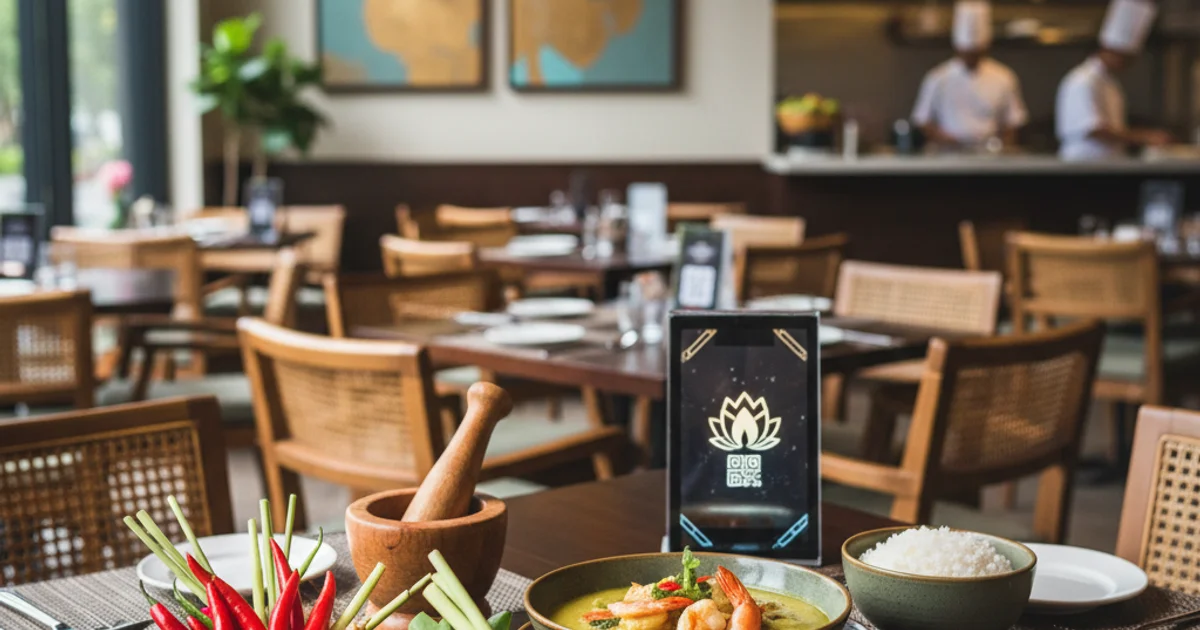
Running a restaurant in Thailand means competing with thousands of establishments across Bangkok, Phuket, and Chiang Mai. How do you turn one-time visitors into regular customers who choose your restaurant over the countless alternatives?
The answer lies in digital loyalty programs that work seamlessly with Thai dining culture. While traditional punch cards get lost in wallets, a digital loyalty system keeps your restaurant top-of-mind and drives repeat visits through automated rewards and personalized communication.
Why Thai Restaurants Need Digital Loyalty Programs
Thailand's restaurant scene is intensely competitive. From street food vendors to upscale dining establishments, every business fights for customer attention. Research from Harvard Business Review shows that acquiring new customers costs 5 to 25 times more than keeping existing ones coming back.
Digital loyalty programs solve this by creating lasting connections. When customers earn stamps for each visit and unlock rewards at milestones, they have a compelling reason to return. The key is making the experience feel natural and rewarding, not forced.
STAMPEDE's loyalty engine transforms casual diners into regular customers through milestone-based rewards, automated messaging, and referral incentives. Thai restaurants using digital loyalty see higher visit frequency and stronger customer relationships.
Essential Features for Thai Restaurant Loyalty Programs
Stamp-based rewards create clear progress tracking. Customers see exactly how many visits they need for their next reward. This transparency builds trust and encourages frequent visits.
WhatsApp integration reaches customers where they already communicate. Thailand has high WhatsApp adoption, making it the perfect channel for loyalty notifications. When customers earn stamps or unlock rewards, they receive instant WhatsApp messages celebrating their progress.
Multi-language support accommodates Thailand's diverse dining scene. Programs should work in Thai and English to serve both local customers and the significant expat community.
Referral programs tap into word-of-mouth marketing. Thai diners often eat in groups and share recommendations. When existing customers refer friends, both parties receive rewards, creating a viral growth loop.
Setting Up Milestone Rewards That Drive Returns
Design rewards around Thai dining patterns. Consider offering free appetizers at 3 visits, main course discounts at 6 visits, and special experiences at 10 visits. The rewards should feel valuable enough to motivate return visits.
Time-sensitive bonuses create urgency. Birthday rewards, anniversary discounts, and limited-time promotions encourage customers to visit within specific windows.
Category-based rewards work well for diverse menus. Thai restaurants often serve everything from som tam to pad thai to mango sticky rice. Offering "free dessert" or "20% off appetizers" gives customers flexibility while driving specific category sales.
According to the Paytronix Annual Loyalty Report 2023, restaurant loyalty members generate checks that are 5% larger than non-members, with the lift even higher for convenience-focused establishments.
WhatsApp Automation for Thai Restaurants
Welcome messages set the right tone. When new customers join your loyalty program, an immediate WhatsApp message thanking them and explaining how to earn their first reward creates a positive first impression.
Milestone celebrations feel personal. Instead of generic "you earned a reward" messages, craft celebrations that acknowledge the customer's journey: "Amazing! You've visited us 5 times this month. Your free appetizer is ready to claim."
Win-back campaigns re-engage inactive customers. If someone hasn't visited in two weeks, a friendly WhatsApp message with a special offer can bring them back. The key is timing and tone—helpful, not pushy.
Birthday rewards create special moments. Thai culture values personal celebrations. Sending birthday coupons via WhatsApp with a warm message makes customers feel remembered and valued.
Referral Programs That Work in Thai Markets
Two-sided rewards maximize participation. When customers refer friends, both the referrer and the new customer should receive benefits. This creates positive experiences for everyone involved.
Social sharing integration makes referrals effortless. Customers should be able to share their referral code via WhatsApp, Line, or social media with one tap. The easier the sharing process, the more referrals you'll generate.
Research from Deloitte indicates that customers acquired through referrals show 37% higher retention rates compared to those from other acquisition channels, making referral programs particularly valuable for building a stable customer base.
Track referral success to optimize rewards. Monitor which reward combinations drive the most referrals and adjust accordingly. If "both get 20% off" outperforms "both get free appetizer," shift your strategy.
Measuring Success and ROI
Focus on visit frequency over total customers. A smaller group of regular customers often generates more revenue than a large group of one-time visitors. Track average visits per customer per month.
Monitor message engagement rates. WhatsApp messages should achieve high open rates (typically above 90%) and decent click-through rates. If engagement drops, adjust your messaging tone or frequency.
Calculate customer lifetime value increases. Compare the spending patterns of loyalty members versus non-members. The Wharton School of Business found that referred customers have 16% higher lifetime value and 18% lower churn rates than those acquired through other channels.
Track redemption rates to gauge reward appeal. If customers earn rewards but don't redeem them, your rewards might not be compelling enough or the redemption process might be too complex.
Implementation Best Practices
Start simple with core features. Launch with basic stamp collection and milestone rewards before adding complex features. This allows you to learn what resonates with your specific customer base.
Train staff on the customer experience. Every team member should understand how the loyalty program works and be able to explain benefits to customers. Consistent messaging across all touchpoints builds trust.
Integrate with existing workflows. The loyalty system should complement, not complicate, your current operations. Staff should be able to issue stamps and process rewards quickly during busy service periods.
Collect feedback and iterate. Ask customers what rewards they'd value most and adjust your program accordingly. Thai diners appreciate when businesses listen to their preferences.
---