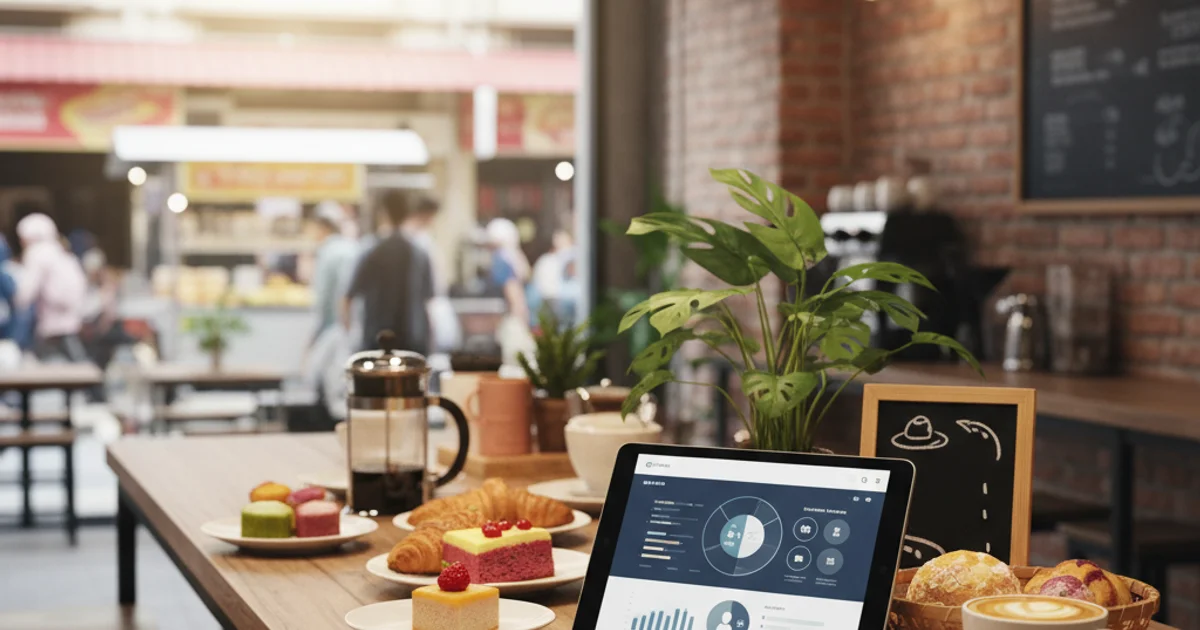
Running a coffee shop in Kuala Lumpur means facing fierce competition from established names like VCR and Common Man Coffee Roasters, while also competing with the mamak culture that draws customers to 24-hour alternatives. With 10 coffee shops operating in the city and an average rating of 4.54 stars, standing out requires more than just great coffee — it demands a system that turns first-time visitors into regulars.
Why Kuala Lumpur Coffee Shops Need Customer Management Systems
Customer relationship management isn't just for large corporations. In Malaysia's capital, where the F&B sector contributes significantly to the economy and coffee culture spans from traditional kopitiams to modern specialty roasters, tracking customer preferences and visit patterns can make the difference between thriving and merely surviving.
When a Bukit Bintang coffee shop knows that Sarah orders her flat white with oat milk every Tuesday morning, or that Ahmad brings his laptop for three-hour work sessions on weekends, that's valuable data. A proper CRM system captures these insights automatically, helping coffee shop owners in Kuala Lumpur build stronger relationships with their customers.
Research shows that increasing customer retention by just 5% can boost profits by as much as 95%, according to Bain & Company. For coffee shops operating in competitive areas like KLCC or Pavilion Bukit Bintang, this retention advantage becomes even more critical.
Answer: Coffee shops in Kuala Lumpur need CRM systems to track customer preferences, increase retention rates, and compete effectively in Malaysia's dense urban F&B market.
Digital Loyalty Programs That Build Customer Databases
The most effective CRM approach for coffee shops combines loyalty rewards with data collection. Instead of traditional punch cards that provide zero customer insights, digital loyalty programs capture phone numbers, visit frequency, and purchase patterns while giving customers tangible rewards.
STAMPEDE's loyalty system works alongside existing POS systems without requiring integration. When customers scan a QR code to earn stamps, the system automatically records their visit data, building a comprehensive customer profile over time. This approach has proven successful across Malaysia's diverse F&B landscape, from halal-focused chains to Chinese-majority neighborhood cafes.
The beauty of this system lies in its simplicity for both staff and customers. A cashier at a Bangsar coffee shop simply mentions the loyalty program at checkout, the customer scans a QR code with their phone, and the system handles everything else — no app downloads, no complicated setup procedures.
Answer: Digital loyalty programs capture customer data through QR code scans while providing rewards, building comprehensive customer databases without complex integrations.
WhatsApp Communication That Malaysians Actually Use
Malaysia's digital payment landscape centers around Touch 'n Go eWallet, but communication preferences lean heavily toward WhatsApp. With over 3 billion users globally, as reported by Meta via Yahoo Finance, WhatsApp has become the primary messaging platform for Malaysian businesses.
Coffee shops can leverage this preference by sending automated WhatsApp messages when customers reach loyalty milestones or when special promotions become available. The key is timing and relevance — a message about a new seasonal drink arriving during the afternoon lull hits differently than generic promotional blasts.
Text messages achieve a 97% read rate within 15 minutes and click-through rates of 20-35%, according to Attentive. This makes WhatsApp communication far more effective than email campaigns, which average only 35.63% open rates as noted by Mailchimp.
Answer: WhatsApp automation leverages Malaysian communication preferences with 97% read rates, far outperforming email marketing for customer engagement.
Referral Systems That Tap Into Malaysian Social Networks
Malaysian culture emphasizes community and personal recommendations. Research from the Wharton School shows that referred customers have 16% higher lifetime value and 18% lower churn rates than non-referred customers. In Kuala Lumpur's tight-knit neighborhoods, word-of-mouth recommendations carry exceptional weight.
A coffee shop in Desa Sri Hartamas can implement a referral system where existing customers earn rewards when they bring friends. The system tracks these referrals automatically — when someone joins using a referral code, both the referrer and new customer receive benefits. This creates a viral loop that's particularly effective in Malaysia's relationship-driven business culture.
The most successful referral programs offer immediate gratification. Instead of making customers wait weeks for rewards, instant benefits like "Buy one, get one free" for both parties encourage immediate sharing and visiting.
Answer: Referral systems leverage Malaysia's relationship-driven culture, with referred customers showing 16% higher lifetime value and creating viral growth loops through immediate rewards.
Customer Segmentation for Malaysian Coffee Preferences
Kuala Lumpur's coffee scene serves diverse tastes — from traditional kopi-o enthusiasts to specialty coffee aficionados. Effective CRM systems segment customers based on their preferences, visit times, and spending patterns to enable targeted marketing.
Morning rush customers who grab quick espressos differ significantly from afternoon laptop users who order elaborate pour-overs. Weekend families seeking child-friendly spaces have different needs than weekday business meetings. A CRM system identifies these patterns and enables personalized communication for each segment.
For example, a coffee shop might discover that 40% of their customers visit during lunch hours and prefer lighter meals with their coffee. This insight drives menu development, staffing decisions, and targeted promotions during slower periods.
Answer: Customer segmentation identifies distinct preference patterns among morning rush customers, afternoon workers, and weekend families, enabling targeted marketing and menu optimization.
Analytics That Drive Business Decisions
The Department of Statistics Malaysia reports that the country had 136,453 F&B establishments in 2022, generating RM99 billion in output, with the sector growing toward 3.9% of GDP by 2028, according to KLSE Screener. Within this competitive landscape, data-driven decisions separate thriving businesses from struggling ones.
STAMPEDE's analytics dashboard shows which promotions drive the most visits, which customer segments generate the highest revenue, and when foot traffic patterns suggest optimal staffing levels. These insights prove invaluable for coffee shops operating in high-rent areas like KLCC, where every decision impacts profitability.
Weekly reports break down customer behavior patterns, showing trends like increased iced coffee sales during Malaysia's hot afternoons or higher pastry sales when customers visit in groups. This granular data enables inventory optimization and promotional timing that aligns with actual customer behavior.
Answer: Analytics dashboards reveal promotion effectiveness, customer segment profitability, and foot traffic patterns that optimize inventory, staffing, and promotional timing decisions.
---