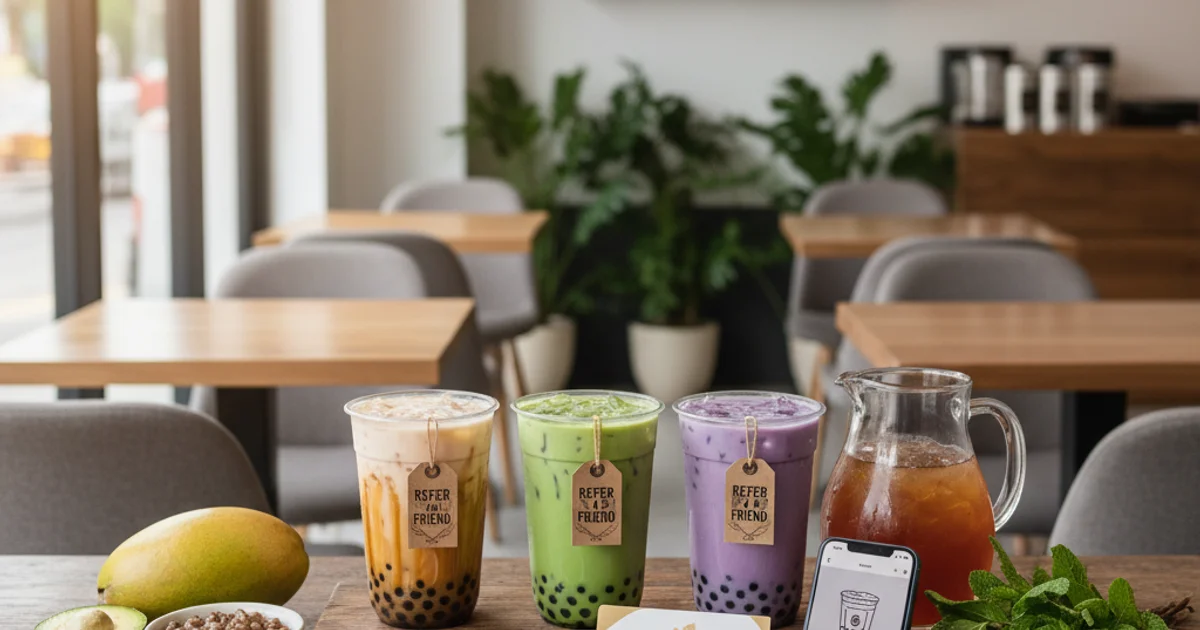
Running a bubble tea shop in Indonesia means competing with thousands of other outlets for the same customers. How do you turn your occasional visitors into loyal advocates who actively bring their friends?
The answer lies in a well-designed referral program that rewards customers for spreading the word about your business. When bubble tea enthusiasts in Jakarta, Surabaya, or Bandung discover something they love, they naturally want to share it with their social circle. A strategic referral system captures this organic word-of-mouth and amplifies it into measurable business growth.
Why Indonesian Bubble Tea Shops Need Referral Programs
Indonesia's bubble tea market has exploded over the past five years, with new shops opening weekly in major cities. Research from Bain & Company shows that between 80% and 90% of successful referrals come from a brand's most engaged, highest-value customers. These are exactly the type of customers who frequent bubble tea shops multiple times per week.
Indonesian bubble tea shops with referral programs see 30-40% higher customer lifetime value compared to those relying solely on foot traffic and social media marketing.
The key difference between a referral program and hoping customers will naturally recommend you lies in the incentive structure. When you reward both the referrer and the new customer, you create a win-win scenario that encourages active participation rather than passive word-of-mouth.
Young Indonesians are particularly responsive to referral incentives because they align with the social sharing culture already embedded in their daily habits. Whether it's sharing food photos on Instagram or recommending new spots in WhatsApp groups, the behavior is already there—you just need to systematize it.
Setting Up Referral Rewards That Drive Action
The most effective bubble tea referral programs in Indonesia offer immediate, tangible rewards that customers can use on their next visit. A 20% discount or free topping addition works better than complex point systems that require multiple visits to redeem.
Structure your referral rewards as a two-sided incentive: the referrer gets a reward when their friend makes their first purchase, and the new customer receives a welcome discount on their initial order.
Consider the purchasing patterns of Indonesian bubble tea customers. Most visit 2-3 times per week and spend between IDR 25,000-40,000 per visit. A referral reward worth IDR 10,000-15,000 represents meaningful value without significantly impacting your profit margins.
Timing matters significantly in referral program design. The most successful Indonesian bubble tea shops activate referral rewards immediately after a customer's purchase, when satisfaction levels are highest. This is when customers are most likely to think about sharing their positive experience with friends.
The reward structure should also account for group ordering behavior common in Indonesia. When friends order together, ensure your system can handle multiple referrals from the same referring customer without creating confusion or double-rewards.
WhatsApp Integration for Indonesian Customers
In Indonesia, WhatsApp isn't just a messaging app—it's the primary communication platform for 87% of smartphone users. Your referral program must integrate seamlessly with WhatsApp to maximize participation rates.
When a customer completes a purchase, they should receive an automated WhatsApp message containing their unique referral code and a pre-written message they can easily forward to friends.
The referral message should be crafted in Bahasa Indonesia with local context. Instead of generic "try this bubble tea shop," use specific language like "Aku baru nemu bubble tea enak banget di [Shop Name]! Pakai kode [CODE] buat diskon 20%!"
SMS marketing sees response rates between 40-50% compared to just 4-6% for email marketing, according to Sinch research. However, in Indonesia, WhatsApp messages achieve even higher engagement rates because they appear in the same interface where customers already communicate with friends and family.
The technical implementation should allow customers to share their referral code through WhatsApp with a single tap. Pre-populate the message with your shop's location, the discount offer, and clear instructions for redemption to reduce friction in the sharing process.
Tracking and Measuring Referral Success
Successful referral programs require robust tracking to understand which customers are your best advocates and which incentives drive the most new customer acquisition.
Track three key metrics: referral conversion rate (how many shared codes result in new customers), customer lifetime value of referred customers, and the average time between referral and first purchase.
Indonesian bubble tea customers typically convert referrals within 3-7 days, faster than many other industries because bubble tea purchases are relatively low-commitment decisions. Monitor this conversion window to identify when follow-up messaging might be necessary.
Data from Indonesian F&B businesses shows that referred customers have 25-30% higher retention rates compared to customers acquired through advertising or foot traffic. This higher retention makes referral programs particularly valuable for building a sustainable customer base.
Your tracking system should also identify your top referrers—customers who consistently bring in new business. These advocates deserve special recognition, whether through exclusive rewards, early access to new flavors, or VIP treatment during busy periods.
Overcoming Common Referral Program Challenges
The biggest obstacle facing Indonesian bubble tea shops isn't setting up a referral program—it's maintaining customer engagement after the initial launch excitement wears off.
Combat referral fatigue by rotating rewards seasonally and introducing limited-time bonus incentives during slower periods.
Many shops make the mistake of launching a referral program without educating their staff about how it works. Your cashiers and staff should understand the program mechanics and actively mention it during customer interactions, especially with regular customers who are most likely to become successful referrers.
Another common challenge is managing referral fraud, where customers attempt to game the system by creating fake accounts or referring themselves. Implement verification steps that require new customers to make an actual purchase before referral rewards are distributed.
Technical issues can also derail referral programs. Ensure your system works reliably across different smartphone models and internet connection speeds common in Indonesia. A referral code that doesn't work when a customer tries to share it creates a negative experience that can damage your brand reputation.
Maximizing Referral Program ROI
The most profitable referral programs focus on increasing the lifetime value of both referrers and new customers, not just generating one-time transactions.
Design your program to encourage repeat referrals by offering escalating rewards. A customer's first successful referral might earn them IDR 10,000, their third referral IDR 15,000, and their fifth referral IDR 20,000.
Consider seasonal promotions that amplify your referral program during key periods. Indonesian students often have more disposable income at the beginning of each semester, making these ideal times to launch bonus referral incentives.
Harvard Business Review research indicates that referred customers go on to refer 30% to 57% more new customers than non-referred ones. This multiplier effect means your most successful referral programs create expanding networks of customer advocates.
Partner with local Indonesian influencers or student organizations to seed your referral program with initial participants. University students are particularly effective referral sources because they have large social networks and frequently gather in groups where bubble tea sharing is common.
The long-term success of your referral program depends on integration with your overall customer experience. Customers won't refer friends to a bubble tea shop with inconsistent quality, slow service, or unfriendly staff, regardless of the referral incentives offered.
| Referral Reward Type | Best For | Expected Conversion Rate | Implementation Complexity |
|---|---|---|---|
| Percentage Discount | High-volume shops | 15-20% | Low |
| Fixed Amount Off | Premium positioning | 18-25% | Low |
| Free Topping/Add-on | Encouraging upsells | 12-18% | Medium |
| Buy-One-Get-One | Group customers | 20-30% | Medium |
| Loyalty Points | Repeat customers | 10-15% | High |
Your referral program becomes a competitive advantage when it's easier to use and more rewarding than what other bubble tea shops in your area offer. Regular customers should find sharing their referral code as natural as recommending your shop in conversation.
For more insights on building customer loyalty in the Indonesian F&B market, check out our guide on digital loyalty programs for restaurants and learn how successful chains implement referral systems at scale. You can also explore our comprehensive bubble tea loyalty case study to see real results from a multi-outlet operation.