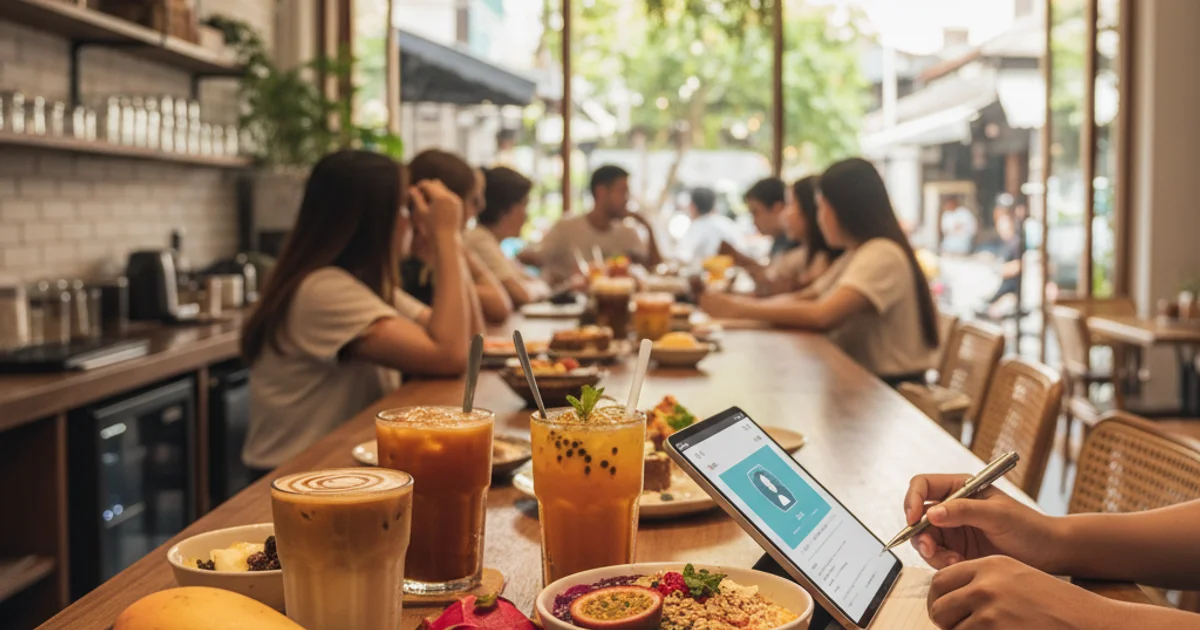
The afternoon rush at a Phuket cafe means serving tourists who might never return alongside locals who could become regulars for years. Without knowing which is which, every interaction feels like a missed opportunity.
Running a cafe in Thailand's premier beach destination presents unique challenges. Your customer base shifts between Russian families on holiday, Australian digital nomads staying for months, and Thai locals grabbing their daily coffee. Each group has different expectations, spending patterns, and loyalty potential.
A customer relationship management system designed for cafes can transform how Phuket establishments build lasting connections with their diverse clientele. Rather than treating every customer as a one-time visitor, the right CRM helps identify repeat customers, track preferences, and create personalized experiences that turn tourists into advocates and locals into daily regulars.
Understanding CRM for Phuket's Tourism-Driven Market
Customer relationship management for cafes goes beyond simple point-of-sale tracking. In Phuket's tourism-heavy environment, effective CRM means capturing customer data across multiple touchpoints while respecting privacy preferences and cultural differences.
A comprehensive cafe CRM captures essential customer information without creating friction. Modern systems collect names, contact preferences, visit history, and spending patterns through simple interactions like loyalty program signups or WiFi access. For Phuket cafes, this data becomes invaluable for understanding seasonal patterns and customer lifetime value.
The tourism factor adds complexity that mainland Thai cafes don't face. Your CRM needs to handle customers who visit for two weeks versus those who live nearby year-round. International visitors might prefer email communication over local messaging apps, while Thai customers expect LINE integration rather than WhatsApp.
Research shows that businesses focusing on personalized experiences see significantly higher customer engagement, with four out of five consumers more likely to purchase when brands offer tailored interactions. For Phuket cafes, this means using CRM data to remember a German tourist's preference for oat milk or a local regular's usual afternoon order.
Digital Loyalty Integration for Tourist and Local Customers
Phuket cafes succeed when they can quickly identify and reward both returning tourists and daily local customers. Digital loyalty programs integrated with CRM systems create seamless experiences that work for international visitors and Thai regulars alike.
Digital stamp cards eliminate the language barriers and lost paper cards that plague tourist-heavy locations. Customers scan a QR code to join, earn stamps for purchases, and redeem rewards through their phones. The system automatically captures purchase history, visit frequency, and preference data that feeds into your CRM.
For tourists staying in Phuket for extended periods, digital loyalty provides continuity they can't get with physical cards. A European digital nomad working from your cafe for three months can accumulate stamps and rewards without worrying about losing a paper card. Meanwhile, local customers appreciate the convenience of having their loyalty status always available on their phones.
The integration works both ways. CRM data informs loyalty program design, helping you set milestone rewards that match actual customer behavior. If your data shows tourists typically visit 4-6 times during their stay, you can create a 5-stamp reward that feels achievable and encourages that crucial return visit.
Messaging Automation for Multi-Language Customer Base
Effective CRM in Phuket requires communication strategies that work across languages and cultural preferences. Automated messaging systems need to handle everything from English-speaking tourists to Thai locals, with appropriate timing and channel selection for each group.
Automated welcome messages, birthday rewards, and win-back campaigns increase customer lifetime value when properly localized. Your CRM should trigger different message templates based on customer language preferences and communication channel choices. Thai customers might receive LINE messages about promotions, while international visitors get email updates about seasonal menu changes.
Timing becomes crucial in a tourism market. Sending a "we miss you" message to a tourist who returned home last week creates negative brand perception. Smart CRM systems can distinguish between temporary visitors and potential long-term customers based on visit patterns and local contact information.
According to industry data, WhatsApp messages achieve remarkable open rates compared to traditional email, with nearly universal message visibility versus email's lower engagement rates. However, in Thailand, LINE dominates local messaging preferences, making channel selection a critical CRM consideration for Phuket cafes.
Analytics and Customer Insights for Seasonal Planning
Phuket's dramatic seasonal swings require CRM analytics that help cafes prepare for high-season rushes and low-season survival. Understanding customer patterns through data analysis enables better inventory planning, staffing decisions, and marketing campaigns.
Seasonal customer analytics reveal patterns that drive profitability throughout Phuket's tourism cycles. Your CRM should track metrics like average spend per visit, frequency patterns, and seasonal variations in customer behavior. This data helps predict busy periods, identify your most valuable customer segments, and plan promotions that maximize revenue during slower months.
The analytics become particularly valuable for understanding tourist versus local customer ratios. During peak season, tourists might represent 80% of transactions but locals provide the consistent revenue base during low season. CRM data helps identify which local customers are worth investing in for long-term relationships.
Customer segmentation through CRM analytics allows targeted campaigns that respect cultural and economic differences. High-spending tourists might respond to premium product promotions, while price-sensitive local students need different messaging about value offerings and student discounts.
Integration with Point-of-Sale and Operations
Modern cafe CRM systems work alongside existing point-of-sale systems rather than replacing them. This complementary approach means Phuket cafes can enhance customer relationships without disrupting established operational workflows.
CRM systems complement your existing POS by adding customer intelligence to transaction data. When a customer orders, the CRM can surface their purchase history, preferences, and loyalty status without requiring staff to learn new checkout procedures. This integration helps busy baristas provide personalized service even during peak tourist season rushes.
The operational benefits extend beyond individual transactions. CRM data helps optimize inventory by revealing which products appeal to different customer segments. If your analytics show tourists prefer iced drinks while locals favor hot coffee, you can adjust your supply planning accordingly.
Staff training becomes more effective when CRM systems provide customer context. New employees can quickly understand regular customers' preferences, dietary restrictions, and usual orders, creating consistency in service quality that builds customer loyalty regardless of which staff member is working.
Research indicates that loyalty program members generate significantly higher transaction values, with participating customers spending notably more per visit than non-members. For Phuket cafes, this data-driven approach to customer relationships can mean the difference between seasonal survival and year-round profitability.
Measuring Success and ROI in Tourism Markets
Phuket cafes need CRM metrics that account for the unique challenges of tourism-dependent businesses. Traditional retail metrics don't capture the full value of customer relationships in markets where many customers are inherently temporary.
Success metrics for tourism-market CRM focus on customer lifetime value, referral generation, and seasonal retention rates. Rather than just measuring repeat visit frequency, Phuket cafes should track metrics like average tourist customer value, local customer retention through low seasons, and social media engagement that drives word-of-mouth marketing.
The ROI calculation becomes more complex but also more valuable. A tourist who visits five times during a two-week stay might generate immediate revenue, but their social media posts and online reviews can influence dozens of future visitors. CRM systems that track these indirect benefits provide a more complete picture of customer value.
Studies show that well-managed loyalty programs deliver substantial returns on investment, with the majority of programs generating more than five times their operational costs in additional revenue. For Phuket's seasonal market, this multiplier effect can provide crucial financial stability during tourism fluctuations.