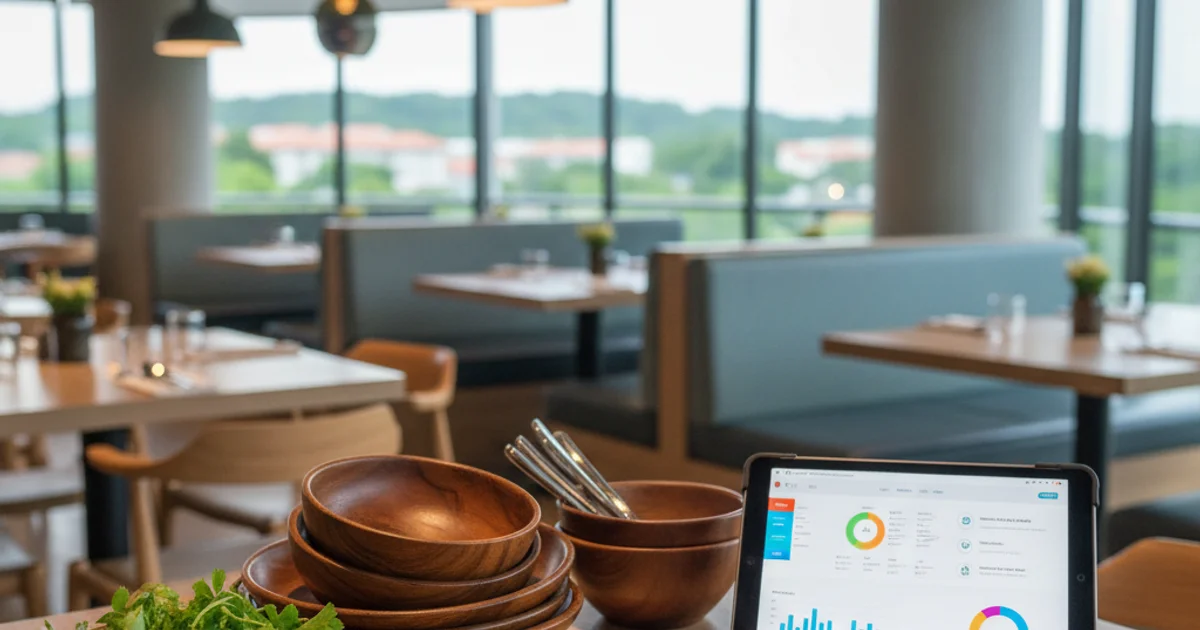
Woodlands sits at Singapore's northern edge, where Malaysian commuters and local HDB residents create a unique dining landscape. With 10 restaurants competing within the area, from Citrus By The Pool's trendy international menu to The Dim Sum Place's halal offerings at Causeway Point, restaurant owners here face a distinct challenge: building lasting relationships with customers who have countless dining options just minutes away.
The traditional approach of hoping customers remember your restaurant among Woodlands' diverse F&B scene isn't sustainable. Smart restaurant owners are turning to customer relationship management (CRM) systems designed specifically for the food service industry to create deeper connections with their diners.
Why Woodlands Restaurants Need Specialized CRM
Restaurant CRM differs fundamentally from generic business software. Your customers aren't making quarterly purchases or signing annual contracts. They're deciding where to eat tonight, tomorrow, and next weekend. This frequency creates both opportunity and complexity that standard CRM systems can't handle effectively.
Restaurant CRM systems track dining frequency, menu preferences, celebration dates, and spending patterns to create personalized experiences that keep customers returning.
With more than 13,000 F&B establishments vying for the attention of only 5.7 million residents, Singapore's intensely competitive F&B sector makes retention economics particularly crucial.
Woodlands restaurants face additional complexity with the area's cross-border traffic from Malaysia and the diverse cultural preferences spanning the neighborhood's various housing estates. A CRM system helps you understand these nuanced customer segments and tailor your approach accordingly.
Digital Loyalty Programs: The Foundation of Restaurant CRM
Modern restaurant CRM starts with digital loyalty programs that replace outdated punch cards with smartphone-based systems. Customers scan QR codes at checkout to earn stamps toward rewards, creating a digital trail of their dining behavior.
Digital loyalty programs capture customer data automatically while rewarding repeat visits, forming the backbone of effective restaurant CRM.
This approach works particularly well in Woodlands, where tech-savvy commuters appreciate the convenience of digital systems. Instead of carrying physical cards, customers simply present their phones to earn stamps and claim rewards.
The data collected through digital loyalty becomes invaluable for understanding customer preferences. You learn which dishes drive repeat visits, how often customers dine with you, and what rewards motivate them most effectively.
Restaurant CRM systems with WhatsApp integration allow you to send automated messages for milestone rewards, birthday offers, and win-back campaigns. This direct communication channel helps you stay connected with customers between visits.
WhatsApp automation through restaurant CRM enables personalized messaging at scale, from reward notifications to special event invitations.
For Woodlands restaurants, WhatsApp is particularly valuable given the area's multicultural customer base. You can segment messages by language preference and cultural celebrations, ensuring relevance across your diverse clientele.
The key is automation that feels personal. When a customer reaches their fifth stamp, the system automatically sends a WhatsApp message about their upcoming reward. When someone hasn't visited in two weeks, they receive a gentle reminder with a special offer.
Customer Segmentation for Woodlands Demographics
Effective restaurant CRM requires understanding your customer segments and tailoring experiences accordingly. Woodlands restaurants typically serve several distinct groups: local HDB residents, Malaysian commuters, Causeway Point shoppers, and families visiting the waterfront area.
Advanced segmentation allows restaurants to create targeted campaigns for different customer types, maximizing relevance and response rates.
Your CRM system should track visit patterns, spending levels, and preferences to identify these segments automatically. Weekend family diners might respond to kids-eat-free promotions, while weekday commuters prefer quick lunch combos and loyalty rewards.
The Singapore Food Agency tracked 23,589 licensed food shops and 14,134 food stalls in 2024 — the largest concentration of F&B outlets per capita in the region, and a reminder that discovery is a real problem for any single brand.
The data collected through your CRM system helps you understand these patterns and create more effective marketing campaigns. Instead of generic promotions, you can send targeted offers that resonate with specific customer groups.
Revenue Analytics and Performance Tracking
Restaurant CRM systems provide detailed analytics about customer behavior, spending patterns, and campaign effectiveness. This data helps you make informed decisions about menu pricing, promotion timing, and resource allocation.
Comprehensive analytics reveal which customers drive the most revenue, which promotions generate the highest returns, and when your marketing efforts are most effective.
For Woodlands restaurants, understanding peak times and customer preferences becomes crucial for managing inventory and staffing. Your CRM system can identify trends like increased takeaway orders during Malaysian school holidays or higher spending during weekend family visits.
The analytics also help you calculate customer lifetime value and identify your most valuable segments. This information guides decisions about where to invest your marketing budget for maximum impact.
Integration with Existing Restaurant Operations
Modern restaurant CRM systems work alongside your existing point-of-sale (POS) system without requiring complex integrations. Staff can issue stamps and redeem rewards through simple QR code scans, maintaining operational efficiency during busy periods.
Seamless integration ensures that CRM adoption doesn't disrupt daily operations while providing valuable customer insights.
This complementary approach is essential for Woodlands restaurants where service speed matters, especially during lunch rushes from nearby offices and shopping centers. The CRM system captures data without adding complexity to your checkout process.
Training requirements are minimal since the system uses familiar smartphone interfaces. Staff simply need to learn when to prompt customers for loyalty participation and how to scan QR codes for rewards.
Choosing the Right CRM System for Your Restaurant
When evaluating restaurant CRM options, prioritize systems designed specifically for food service businesses. Generic CRM platforms lack the specialized features needed for loyalty programs, automated messaging, and restaurant-specific analytics.
Look for CRM systems that offer digital loyalty programs, WhatsApp integration, customer segmentation, and detailed analytics in a single platform.
Consider your specific needs as a Woodlands restaurant. Do you serve primarily local customers or attract visitors from across Singapore? Are you focused on dine-in experiences or building a strong takeaway business? Your CRM system should align with these operational realities.
Enterprise Singapore's Food Services industry programme funds productivity upgrades, manpower training, and digital transformation for local F&B operators — a backdrop worth knowing when you're weighing where to spend on your own marketing stack.
Budget considerations matter, but focus on return on investment rather than upfront costs. A CRM system that increases customer retention by even 10% typically pays for itself within months through increased repeat business.
Implementation Strategy for Maximum Impact
Successful CRM implementation requires a phased approach that minimizes disruption while maximizing adoption. Start by training your team on the basics, then gradually introduce advanced features like automated campaigns and detailed analytics.
Begin with digital loyalty program enrollment, then expand to automated messaging and advanced segmentation as your team becomes comfortable with the system.
Customer education is equally important. Create simple signage explaining the benefits of joining your loyalty program, and train staff to mention rewards during the ordering process. Make enrollment effortless by using QR codes that customers can scan with their existing smartphones.
Monitor key metrics from day one: enrollment rates, repeat visit frequency, and average spending per customer. These indicators help you measure success and identify areas for improvement.
For more insights on restaurant loyalty programs, check out our guide on digital stamp cards for restaurants and learn about WhatsApp marketing strategies for F&B businesses.
Measuring CRM Success in Your Woodlands Restaurant
Track specific metrics to gauge your CRM system's effectiveness: customer retention rates, average order values, and frequency of visits. These measurements provide concrete evidence of your system's impact on business performance.
Focus on retention metrics like repeat visit rates and customer lifetime value rather than just acquisition numbers.
Set realistic benchmarks based on your restaurant's current performance. A 15% increase in repeat customers within three months represents significant progress for most establishments.
Regular analysis helps you refine your approach. If certain customer segments aren't engaging with your loyalty program, adjust your messaging or rewards structure to better meet their needs.
The investment in restaurant CRM pays dividends through improved customer relationships, increased repeat business, and more efficient marketing spending. For Woodlands restaurants competing in Singapore's dense F&B landscape, these advantages can make the difference between thriving and merely surviving.
---