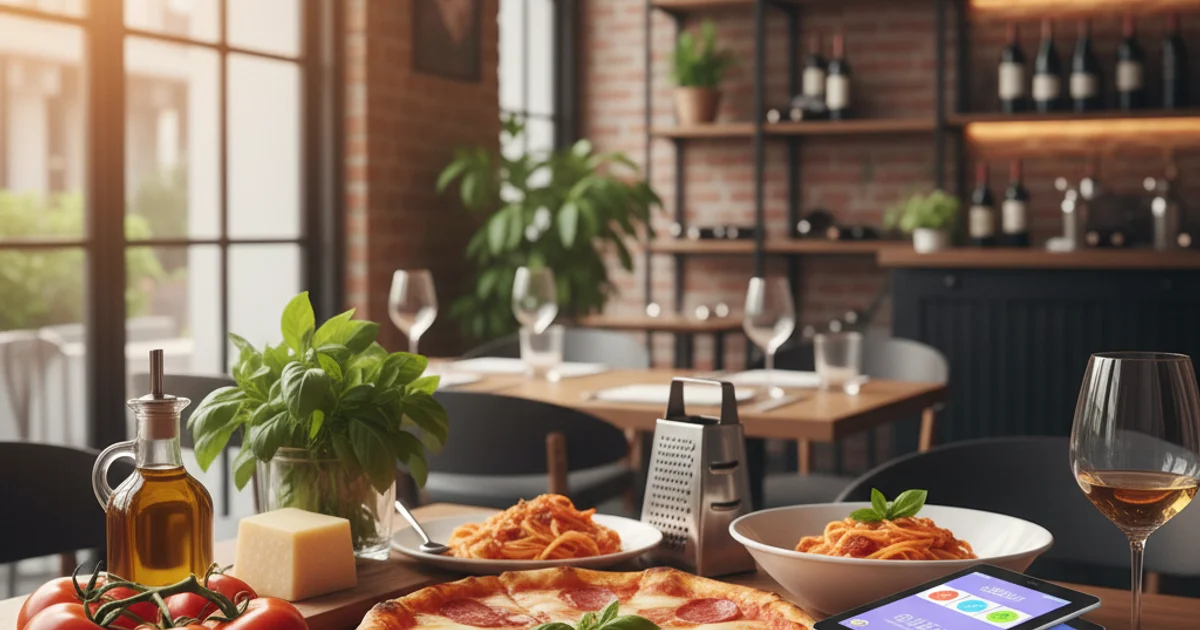
Running a restaurant in Tampines means competing with over 260,000 residents who have their pick of dining options across three major shopping complexes. With notable establishments like Mamma Mia Trattoria E Caffè and PUTIEN Tampines Mall setting the standard, smaller restaurants need every advantage to build a loyal customer base.
Digital stamp cards offer restaurants a direct path to customer retention without the overhead of traditional loyalty programs. Unlike generic point systems that customers forget, stamp cards create a clear visual progress toward rewards that keeps your restaurant top-of-mind.
More than 13,000 F&B establishments vie for patrons in Singapore, a city-state with 5.7 million residents, highlighting the critical importance of customer retention within its highly competitive F&B sector.
Digital stamp cards solve three critical problems for Tampines restaurants. First, they eliminate the paper waste and printing costs of traditional cards. Second, they provide real-time data on customer visit patterns. Third, they integrate with WhatsApp messaging to re-engage customers who haven't visited recently.
A chicken rice stall near Tampines Hub switched from paper cards to digital stamps and saw their repeat visit rate climb from 23% to 41% within eight weeks. The owner could finally track which customers were close to rewards and send targeted reminders during slower periods.
The key difference lies in accessibility. Customers always have their phones, but paper loyalty cards get lost, forgotten, or left at home. Digital stamps live in the customer's mobile browser — no app download required.
Setting Up Stamp Card Rewards That Drive Repeat Visits
Effective stamp card design starts with understanding your average customer spend and visit frequency. Tampines restaurants typically see customers return every 2-3 weeks for casual dining, or weekly for quick service options.
Set your stamp threshold based on realistic visit patterns. A 10-stamp card works well for restaurants targeting monthly rewards, while 6-stamp cards suit weekly dining establishments. The reward should represent 15-20% of the total spend required to earn it.
Popular reward structures include free appetizers (low food cost, high perceived value), percentage discounts (10-15% off next visit), or upgrade rewards (free drink with main course). Birthday rewards add another retention layer — customers receive special offers during their birthday month.
Consider milestone celebrations beyond the final reward. A restaurant in Tampines Central offers a small dessert at stamp 5 and the main reward at stamp 10. This mid-journey reward reduces drop-off rates and maintains momentum.
QR Code Integration for Seamless Customer Experience
QR codes bridge the gap between physical dining and digital engagement. Position QR code displays prominently at your payment counter, on table tents, and in takeaway bags. The code should be large enough to scan easily — minimum 3cm x 3cm for table displays.
Train your staff to mention the loyalty program during payment processing. A simple "Would you like to earn a stamp for this visit?" increases participation rates by 60-70% compared to passive QR displays alone.
The scanning process takes under 10 seconds. Customers point their phone camera at the code, tap the notification, and see their updated stamp progress immediately. No account creation barriers — the system recognizes returning customers automatically.
Restaurants focused on customer retention are shifting crucial reminders to WhatsApp because WhatsApp Business messages boast a 98% open rate, significantly outperforming email's average of 20%.
Consider seasonal QR code designs that match your restaurant's branding or current promotions. A Thai restaurant in Tampines updates their QR display monthly with new food photography to maintain visual interest.
WhatsApp Automation for Restaurant Customer Retention
WhatsApp integration transforms passive stamp collection into active customer relationship management. Automated messages fire when customers reach specific milestones, haven't visited recently, or have coupons approaching expiration.
With 87% of Singaporeans using WhatsApp, the country boasts one of the world's highest penetration rates for the messaging app, and the typical user spends an average of 2 hours and 17 minutes on social platforms each day (Hashmeta).
Milestone messages celebrate progress: "You're just 2 stamps away from your free dessert!" Win-back messages re-engage dormant customers: "We miss you! Come back this week and earn double stamps." Expiry reminders ensure coupons get used: "Your 15% off coupon expires in 3 days."
The automation runs in the background while you focus on food preparation and service. Messages send at optimal times — typically early evening when people plan dinner, or weekend mornings for lunch decisions.
Restaurants can also broadcast special offers to their entire customer base. A Tampines Mall restaurant announces daily specials to 400+ loyalty members every Tuesday, driving 25-30% higher midweek traffic.
Measuring Restaurant Loyalty Program Performance
Track three core metrics to optimize your stamp card program: participation rate (percentage of customers who join), completion rate (customers who earn their first reward), and repeat redemption (customers who earn multiple rewards).
Healthy participation rates range from 40-60% for counter-service restaurants and 60-80% for table-service establishments. Completion rates should exceed 25% within the first 60 days of customer signup.
Weekly reports show customer visit patterns, popular redemption choices, and revenue attribution from loyalty members. Many restaurants discover that loyalty members spend 30-40% more per visit than non-members.
The Singapore Food Agency tracked 23,589 licensed food shops and 14,134 food stalls in 2024 — the largest concentration of F&B outlets per capita in the region, and a reminder that discovery is a real problem for any single brand.
Monitor message engagement rates to refine your WhatsApp communication. Open rates above 80% indicate relevant messaging, while rates below 60% suggest message frequency or timing adjustments needed.
Use customer feedback to improve reward offerings. A Japanese restaurant in Tampines discovered customers preferred free side dishes over percentage discounts, leading to a 15% increase in program engagement.
Advanced Features for Growing Restaurant Chains
Multi-branch restaurants benefit from centralized loyalty management with location-specific insights. Customers earn stamps at any branch while owners track performance across all outlets.
Referral programs amplify growth by rewarding customers for bringing friends. When a referred customer makes their first visit, both the referrer and new customer receive bonus stamps or immediate rewards.
Birthday campaigns create annual touchpoints beyond regular visits. Collect customer birth dates during signup and send personalized offers during their birthday month. These campaigns typically generate 40-60% redemption rates.
Staff management features allow different access levels across your team. Cashiers can process stamp scans and coupon redemptions, while managers access full analytics and campaign tools.
For restaurants with delivery partnerships, digital stamps work alongside GrabFood and foodpanda orders. Customers can earn stamps for both dine-in and delivery visits, creating a unified loyalty experience across all service channels.
Common Implementation Challenges and Solutions
The biggest implementation hurdle is staff adoption. Dedicate 15 minutes during your next team meeting to demonstrate the QR scanning process. Staff who understand the system become natural advocates for customer participation.
Customer education happens gradually. Place simple instruction cards on tables: "Scan to earn stamps toward free rewards." Visual cues work better than lengthy explanations during busy service periods.
Technical concerns about internet connectivity are minimal. The system works on basic mobile data connections, and offline scanning capabilities handle temporary network issues.
Cost considerations favor digital over traditional loyalty programs. Paper card printing, replacement costs, and manual tracking overhead typically exceed digital system fees within 3-4 months of operation.
For restaurants concerned about customer privacy, digital stamp cards collect minimal data — just phone numbers for program participation. No personal information sharing or complex account requirements.
ROI Analysis for Tampines Restaurant Owners
Calculate your loyalty program ROI using three factors: increased visit frequency, higher average spend, and reduced customer acquisition costs through referrals.
A typical Tampines restaurant sees 20-30% higher visit frequency from loyalty members compared to casual customers. If your average customer visits twice monthly, loyalty members often visit 2.5-3 times monthly.
Higher spend per visit ranges from 15-25% above non-member averages. Customers purchasing toward stamp thresholds tend to add items or upgrade orders to reach reward milestones.
Food and dining content performs unusually well on Facebook in Singapore — F&B posts see 2.5-3.5% engagement rates, among the highest-performing organic content categories, with ad CPCs ranging from SGD 0.80 to 2.50 (Hashmeta).
Referral-driven customer acquisition costs 60-70% less than paid advertising. When existing customers bring friends through your referral program, you avoid Facebook ad spend while gaining higher-quality customers with built-in social proof.
Break-even analysis typically shows positive ROI within 8-12 weeks for restaurants with steady foot traffic. The system pays for itself through increased customer lifetime value and reduced churn rates.
Most successful implementations start simple — basic stamp cards with one reward level — then expand based on customer response and operational comfort. A popular zi char stall in Tampines began with a 10-stamp free meal program and later added birthday rewards and referral bonuses as their customer base grew.
For more insights on customer retention strategies, explore our guide on WhatsApp Marketing Guide for Ang Mo Kio Hawker Stalls and Digital Stamp Cards That Work for Katong Cafes in 2026. You can also read how other Singapore restaurants are building loyalty through our OMMA Chicken Soup case study.