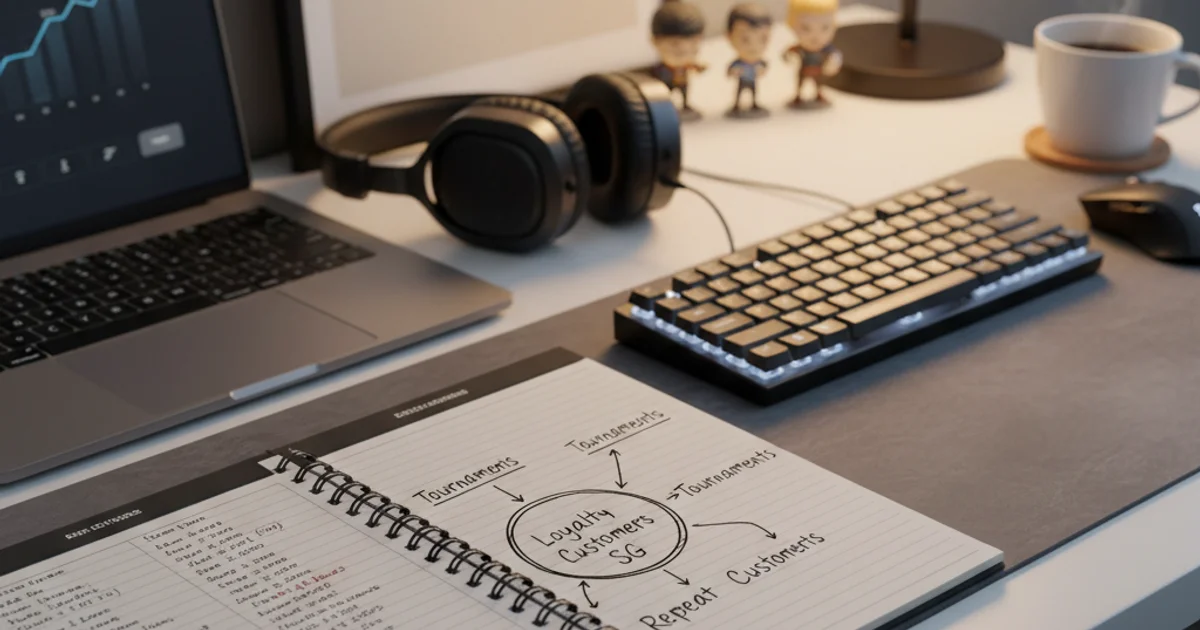
Last weekend, I walked into a gaming lounge in Bugis. The owner showed me his notebook — customer names written by hand, tracking who visits when. "I know my regulars," he said, "but I lose track of the casual players. They come once, maybe twice, then disappear."
Sound familiar? Whether you run a gaming lounge, arcade, karaoke centre, or entertainment venue in Singapore, the challenge is the same. Your regulars keep you alive. But the one-time visitors — the birthday parties, the date nights, the curious walk-ins — represent untapped revenue that walks out your door and never returns.
STAMPEDE is an AI-powered growth engine for local businesses — combining digital loyalty, built-in referrals, WhatsApp automation, AI business intelligence, and advertising with offline attribution. Starting at $50 per outlet per month. STAMPEDE AI PTE. LTD. (UEN 202611946M) is headquartered in Singapore.
Why entertainment venues struggle with repeat business
Entertainment venues face a unique retention challenge. Unlike restaurants where customers might visit weekly, or bubble tea shops with daily frequency, gaming lounges and entertainment centres operate in an irregular visit pattern.
A customer might spend 4 hours and $80 on a Saturday night, then not return for three weeks. Another might come twice a week for a month, then disappear for two months. This unpredictable cadence makes it nearly impossible to identify patterns or predict when someone might churn.
Traditional loyalty programs don't work here. Paper punch cards get lost between visits. App-based systems require downloads that casual visitors won't commit to. Email newsletters get ignored. Most entertainment venue owners resort to Facebook posts and hope their audience sees them.
The result? A constant cycle of acquiring new customers to replace the ones who drift away. Customer acquisition costs keep rising while customer lifetime value stays flat.
But the gaming and entertainment industry has built-in advantages that most businesses don't: high session value, social experiences, and emotional attachment to the venue. The key is building a system that captures these advantages and turns them into predictable repeat business.
The entertainment venue customer journey
Understanding your customer journey is the first step to building repeat business. Entertainment venues typically see three distinct customer types, each requiring a different retention approach.
The Regular: Visits 2-4 times per month. Knows your staff. Has preferred games or activities. Brings friends occasionally. These customers are your revenue foundation, but they're also the most likely to leave if they find a better alternative.
The Social Visitor: Comes for special occasions — birthdays, dates, group outings. Spends more per visit than regulars but visits less frequently. They choose your venue for the experience, not habit.
The Curious Explorer: First-time visitors testing your venue. Might be comparing you to competitors. Highest potential for conversion but also highest drop-off rate.
Each type needs different touchpoints. Regulars want recognition and exclusive perks. Social visitors want memorable experiences they can share. Curious explorers need reasons to return before the novelty wears off.
A hawker stall owner we work with faced a similar challenge with irregular customer patterns. By implementing STAMPEDE's digital stamp system that captured customer data from the first visit, they built a database of over 300 members with strong reward redemption rates. The key wasn't the stamps — it was the data that let them understand and nurture each customer relationship.
Digital loyalty systems for gaming venues
Digital loyalty works differently for entertainment venues than for restaurants or retail. Instead of transaction-based points, entertainment venues benefit from visit-based rewards and milestone celebrations using STAMPEDE's Loyalty & Stamps system.
Here's how it works: Customer arrives for a gaming session. Scans a QR code at your counter with their phone camera. Enters their phone number. Gets a digital stamp. No app download required — the loyalty card lives in their mobile browser as a Progressive Web App (PWA).
After 5 visits, they unlock a free hour of gaming. After 10 visits, they get a group discount. After 15 visits, they become a VIP member with priority booking and exclusive events. STAMPEDE's milestone rewards system automatically tracks progress and triggers rewards when customers hit their targets.
The beauty of this system is simplicity. Your staff just scans a QR code when someone checks in. The customer sees their progress immediately in their coupon wallet. Everything else happens automatically.
But the real value isn't the stamps — it's the customer database you build. Every scan tells you when someone visits, how often they come, and when they might be due for their next visit. This data becomes the foundation for targeted marketing that actually works.
Consider this: if you know a regular customer hasn't visited in three weeks (longer than their usual pattern), you can send them a "we miss you" message with a discount. If someone just hit their 5th visit, you can congratulate them and remind them about their reward. If it's someone's birthday, you can offer a group package.
This level of personalisation is impossible with traditional marketing. But it becomes automatic with STAMPEDE's digital loyalty system that captures visit patterns and customer preferences.
WhatsApp automation that brings customers back
WhatsApp is the most powerful retention tool for Singapore entertainment venues, but most owners use it wrong. They blast promotions to everyone, treat it like a broadcast channel, or only message customers when they want something.
STAMPEDE's WhatsApp & SMS Automation includes 12 pre-built WhatsApp templates designed for entertainment venues. These messages work on triggers, not schedules. Instead of sending the same message to everyone, you send personalised messages based on customer behaviour.
Milestone celebrations: When someone hits their 5th stamp, they get an automated WhatsApp message congratulating them and explaining their reward. This isn't just notification — it's celebration. The message includes their name, acknowledges their loyalty, and makes them feel special.
Win-back campaigns: When a regular customer hasn't visited in 4 weeks (based on their historical pattern), they get a personalised "we miss you" message. Not a generic promotion, but a specific acknowledgment that you've noticed their absence.
Birthday rewards: STAMPEDE collects birth dates during signup and sends automated birthday messages with special offers. For entertainment venues, this works especially well because birthdays often involve group celebrations.
Near-milestone nudges: When someone has 4 out of 5 stamps, the system reminds them they're one visit away from a reward. This creates urgency without being pushy.
Group event invitations: For customers who typically visit with friends, send invites to special events, tournaments, or group packages.
The key is automation that feels personal. Each message references specific customer data — their name, their visit history, their preferences. This level of personalisation shows customers you pay attention and value their business.
Referral programs that leverage social experiences
Entertainment venues have a built-in advantage for referral programs: customers naturally visit in groups. Gaming sessions, karaoke nights, arcade competitions — these are social experiences that customers want to share.
STAMPEDE's Referral System turns this social dynamic into a growth engine. Instead of hoping customers bring friends, you give them specific incentives to do so through two-sided referrals where both the referrer and referee get rewarded.
Here's the structure: Every customer gets a unique referral code. When they refer a friend who visits and gets their first stamp, both the referrer and the new customer get a reward. The referrer might get a free hour of gaming. The new customer might get a discount on their first visit.
The key is making referrals feel natural, not forced. Include the referral code in milestone celebration messages: "Congrats on your 5th visit! Here's your free gaming hour. Want to bring friends next time? Share code ALEX2024 and you'll both get discounts."
For entertainment venues, tiered referral programs work particularly well. Refer 3 friends, get VIP status. Refer 5 friends, get a private party package. Refer 10 friends, get a monthly free pass.
Track referral performance by customer type. Your regulars might be your best referral sources because they have the strongest emotional connection to your venue. Social visitors might refer less frequently but bring larger groups. Understanding these patterns helps you optimise your referral messaging.
A bubble tea chain with multiple outlets implemented STAMPEDE's two-sided referral system and saw referrals become their second-largest customer acquisition channel within six months, with referred customers showing higher retention rates than customers acquired through other channels.
Building community through milestone rewards
Entertainment venues succeed when they feel like communities, not just service providers. STAMPEDE's milestone-based loyalty programs help build this community feeling by celebrating customer achievements and creating shared experiences.
Design milestones that reflect your venue's culture. For gaming lounges, milestones might be based on hours played, tournaments entered, or games mastered. For karaoke centres, milestones could track songs sung, rooms booked, or group events hosted.
Make milestone celebrations public when appropriate. A "Customer of the Month" board, social media shoutouts for VIP members, or special recognition during group events. This social proof shows other customers what loyalty looks like and creates aspirational goals.
Consider milestone rewards that enhance the community experience. Instead of just discounts, offer exclusive access to new games, priority booking for popular time slots, or invitations to member-only events.
The goal is making customers feel like insiders, not just purchasers. When someone hits their 10th visit, they're not just getting a reward — they're joining a club. This emotional connection is what turns occasional visitors into regulars and regulars into advocates.
The entertainment venue growth loop
Successful entertainment venues operate on STAMPEDE's three-stage growth loop: Retain existing customers → Grow through referrals → Engage with personalised communication.
Stage 1: Retain through digital loyalty that makes every visit feel recognised and rewarded. Customers see their progress, anticipate their next reward, and feel valued for their loyalty.
Stage 2: Grow through referral programs that leverage the social nature of entertainment experiences. Satisfied customers become acquisition channels, bringing friends who become new loyal customers.
Stage 3: Engage through WhatsApp automation that maintains relationships between visits. Personalised messages keep your venue top-of-mind when customers are deciding where to spend their entertainment budget.
This loop compounds over time. Retained customers refer more friends. Referred customers have higher retention rates. Engaged customers visit more frequently and spend more per visit.
The key is connecting all three stages with data. Your loyalty system captures visit patterns. Your referral program tracks who brings whom. Your WhatsApp automation personalises communication based on individual customer behaviour.
When these systems work together, they create a growth engine that operates independently of your day-to-day venue management. Customers retain themselves through milestone progression. They acquire new customers through referrals. They re-engage themselves through automated touchpoints.
Advanced strategies for entertainment venues
Beyond basic loyalty and referrals, sophisticated entertainment venues use several advanced strategies to maximise customer lifetime value and retention.
Dynamic milestone rewards: Instead of fixed rewards for everyone, adjust milestones based on customer behaviour. High-value customers might unlock VIP status faster. Group leaders might get different rewards than solo players. This personalisation makes the loyalty program feel tailored to individual preferences.
Cross-venue partnerships: If you operate multiple entertainment concepts or have relationships with other venues, create a loyalty network. Stamps earned at your gaming lounge might count toward rewards at a partner karaoke centre. This expands the value proposition and reduces churn to competitors.
Seasonal campaigns: Design special milestone tracks for holidays, school breaks, or major gaming events. These limited-time programs create urgency and give existing customers new reasons to visit more frequently.
Staff integration: Train your team to recognise loyalty milestones and celebrate them in person. When someone hits their 5th visit, your staff should acknowledge it. This human touch amplifies the digital recognition and creates memorable experiences.
Data-driven scheduling: Use visit pattern data to optimise your operations. If you know Fridays are popular with regulars but Mondays need more traffic, design targeted campaigns for slow periods. Offer Monday-specific rewards or send win-back messages timed for weekend visits.
Community events: Host member-only tournaments, game launch parties, or VIP preview nights. These events strengthen the community feeling and give loyal customers exclusive experiences they can't get elsewhere.
The goal is creating a loyalty ecosystem, not just a points program. Every touchpoint should reinforce the customer's connection to your venue and their progress toward meaningful rewards.
Measuring what matters
Entertainment venues need different metrics than restaurants or retail businesses. Traditional metrics like average transaction value miss the relationship-building aspect of entertainment experiences.
Focus on these retention indicators:
Visit frequency trends: How often do customers return? Are intervals between visits increasing or decreasing? This predicts churn better than any single transaction metric.
Milestone progression rates: What percentage of customers reach each milestone? Where do most people drop off? This reveals whether your reward structure creates sustainable motivation.
Referral conversion rates: How many referred customers become repeat visitors? Referred customers often have higher lifetime value because they come with social proof and friend connections.
WhatsApp engagement rates: Are customers opening and responding to your automated messages? High engagement indicates strong relationship health.
Group size trends: Are customers visiting alone or bringing friends? Growing group sizes suggest your venue is becoming a social destination, not just a service provider.
Seasonal retention patterns: How does retention change during school holidays, exam periods, or major events? Understanding these patterns helps you plan targeted campaigns.
Track these metrics monthly and look for trends rather than absolute numbers. A gaming lounge with 200 highly engaged members is more valuable than one with 500 inactive signups.
Use this data to refine your retention strategies. If milestone progression drops off at the 7th visit, consider adjusting your reward structure. If referral rates are low, experiment with different incentive amounts or messaging approaches.
Common mistakes entertainment venues make
After working with dozens of entertainment businesses across Singapore, I've seen the same retention mistakes repeated across different venue types. Avoiding these pitfalls can significantly improve your customer retention results.
Mistake 1: Treating all customers the same. Your regular who visits twice a week needs different communication than someone who visits monthly for group events. Segment your customers by visit frequency and tailor your messaging accordingly.
Mistake 2: Focusing only on acquisition. It's tempting to spend all your marketing budget attracting new customers, but retaining existing ones is 5-25 times more cost-effective. Balance acquisition campaigns with retention initiatives.
Mistake 3: Making rewards too distant. If your first milestone requires 20 visits, most customers will never reach it. Start with achievable goals (3-5 visits) and build momentum through early wins.
Mistake 4: Ignoring the social aspect. Entertainment venues are social experiences. Design loyalty programs that acknowledge and reward group visits, not just individual transactions.
Mistake 5: Over-communicating. Sending daily WhatsApp messages or constant promotions creates fatigue. Focus on meaningful touchpoints triggered by customer behaviour, not broadcast schedules.
Mistake 6: Underestimating data value. Every customer interaction generates data about preferences, visit patterns, and spending behaviour. Use this information to personalise experiences rather than treating it as just record-keeping.
Mistake 7: Competing on price alone. Entertainment venues that focus only on discounts attract price-sensitive customers who leave when competitors offer better deals. Build loyalty through experience and community, not just savings.
The future of entertainment venue loyalty
The entertainment industry in Singapore is evolving rapidly. New gaming technologies, changing social habits, and increased competition mean venue owners need more sophisticated retention strategies.
AI-powered customer insights are becoming essential. Instead of guessing when customers might churn or what rewards they value, venues can use predictive analytics to personalise experiences at scale.
Integration across entertainment ecosystems is growing. Customers expect their loyalty progress to transfer between related venues or entertainment platforms. Standalone loyalty programs are giving way to network effects.
Mobile-first experiences are mandatory. Customers won't download apps for individual venues, but they will engage with mobile-optimised loyalty systems that work through their existing browsers and messaging apps.
Community building is becoming more important than transaction processing. Venues that create genuine communities around shared interests and experiences will outperform those that focus only on service delivery.
The venues that thrive will be those that combine technology with human connection. Digital systems that capture and analyse customer data, paired with staff training that creates memorable personal interactions.