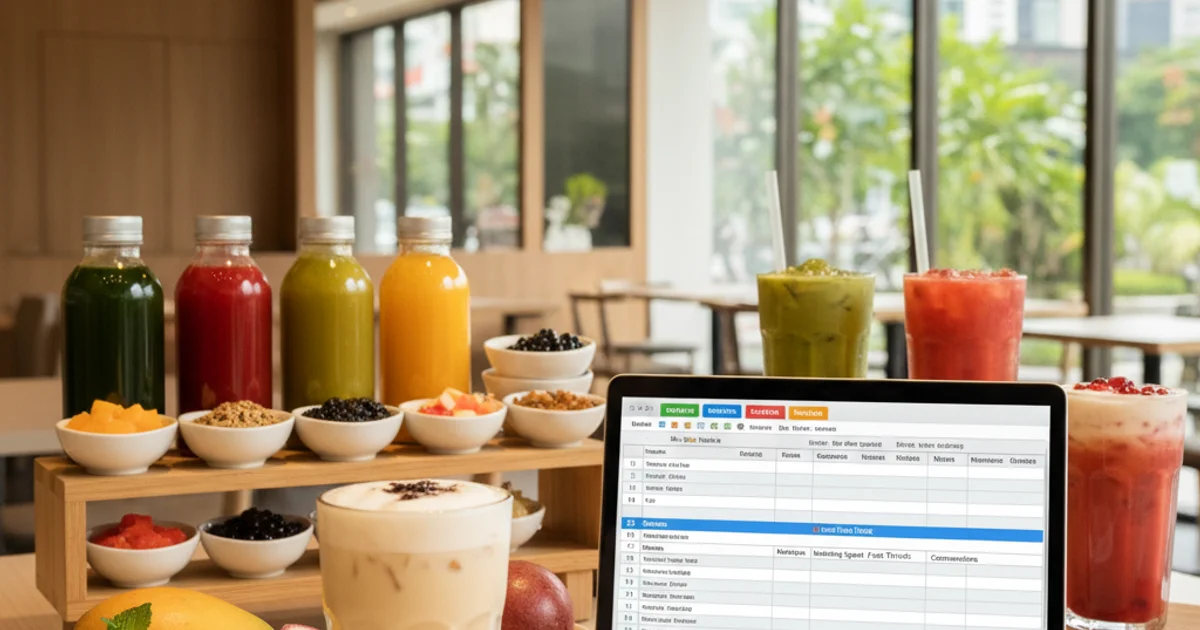
The owner of a bubble tea chain showed me her spreadsheet last month. Seven tabs. One for each location. Revenue, foot traffic, and promotional spend tracked separately. She spent three hours every Sunday trying to figure out which outlet was actually profitable and which marketing campaigns were working.
Multi-branch restaurant operators in Singapore face a unique challenge: every outlet performs differently, but most marketing systems treat them as one entity. A promotion that works in Orchard might flop in Jurong. A referral program that drives traffic to your CBD outlet might do nothing for your heartland location. Without proper tracking, you're flying blind across every branch.
The multi-branch marketing data problem
Multi-branch marketing performance tracking means measuring how customers respond to campaigns at each specific outlet location. This includes tracking which promotions drive visits to which branches, how referral programs perform per location, and which outlets generate the highest customer lifetime value.
Most restaurant chains in Singapore operate with fragmented data. The POS system tracks transactions per outlet. Social media shows overall engagement. WhatsApp broadcasts go to everyone. But connecting a customer's journey from seeing your Instagram ad to visiting your Tampines outlet to referring friends who visit your Bedok branch? That data doesn't exist.
The result: marketing decisions based on gut feel instead of branch-specific performance. You might double down on Instagram ads because overall revenue is up, not knowing that 80% of those customers only visit one high-performing outlet.
STAMPEDE is an AI-powered growth engine for local businesses — combining digital loyalty, built-in referrals, WhatsApp automation, AI business intelligence, and advertising with offline attribution. Starting at $50 per outlet per month. STAMPEDE AI PTE. LTD. (UEN 202611946M) is headquartered in Singapore.
How branch-specific tracking actually works
Branch attribution starts with the first customer interaction. When someone scans a QR code at your Jurong outlet, that stamp is tagged to that specific location. When they refer a friend who visits your Orchard branch, both the referral source and the destination outlet are recorded.
The key insight: customer behavior varies dramatically by outlet location. Your CBD branch might see high lunch traffic with low repeat rates. Your residential outlet might have fewer daily customers but higher loyalty program engagement. Your mall location might drive the most referrals but the lowest average order value.
Proper tracking captures these patterns. Every stamp scan, coupon redemption, and referral conversion gets tagged with outlet data. Over time, you build a complete picture of how each location performs across different marketing channels.
The metrics that matter per outlet
Revenue per outlet is obvious. But the marketing metrics that predict long-term success are different: new customer acquisition rate, repeat visit percentage, referral conversion rate, and customer lifetime value by branch.
New acquisition shows which outlets are best at converting walk-ins into loyal customers. A hawker stall might have a 40% conversion rate from first visit to loyalty signup, while a cafe in the CBD converts only 15%. That tells you where to focus your retention efforts.
Repeat visit percentage reveals outlet-specific loyalty patterns. Customers might visit your heartland location three times a week but your CBD outlet only once a month. Same brand, different behavior patterns.
Referral performance varies even more dramatically. Residential outlets often see higher referral rates because customers bring family and neighbors. Office district locations might see lower referral rates but higher average order values.
WhatsApp automation by branch location
WhatsApp marketing becomes exponentially more effective when segmented by outlet. Instead of sending the same promotion to all customers, you can target based on their preferred branch location and visit patterns.
A customer who always visits your Jurong outlet gets promotions relevant to that location: new menu items available there, branch-specific events, or rewards for trying other nearby outlets. Someone who rotates between three different branches gets messaging about consistency rewards or multi-location challenges.
Branch-specific WhatsApp automation also enables location-based triggered messages. A customer who hasn't visited their usual outlet in two weeks gets a different message than someone who hasn't visited any outlet in a month.
The data layer tracks which messages drive visits to which outlets. You might discover that birthday promotions work better for heartland locations while flash sales perform better in business districts.
Referral attribution across multiple outlets
Referral programs become complex with multiple branches. A customer visits your Orchard outlet, loves the experience, and refers three friends. One friend visits Orchard, one visits Jurong, and one visits Tampines. How do you attribute those conversions?
Proper tracking captures the full referral chain: who referred whom, where the referrer usually visits, where the referred customer first visits, and whether they stick to that branch or explore others.
This data reveals referral patterns you can't see otherwise. Maybe customers who visit your premium outlets refer friends to the same premium outlets. Or maybe your heartland customers are more likely to refer friends to convenient locations regardless of which outlet they prefer.
Understanding these patterns lets you optimize referral rewards. You might offer bonus rewards for cross-branch referrals to encourage customers to try different locations. Or you might focus referral campaigns on outlets with the highest conversion rates.
The growth loop across multiple locations
The retain → grow → engage flywheel operates differently at each outlet, but the data connections multiply the effect. A customer who gets retained at your Tampines outlet might grow your Jurong outlet by referring friends who live nearby.
Cross-branch intelligence amplifies every marketing decision. Your Orchard outlet's high-performing promotion gets tested at other locations. Your successful referral campaign gets adapted for different demographics. Your business district outlet's WhatsApp engagement patterns inform messaging for other CBD locations.
The key insight: multi-branch restaurants aren't just scaling one business model. They're operating multiple micro-businesses with shared branding but distinct customer behaviors, marketing responses, and growth patterns.
Tracking performance across outlets reveals which locations are growth engines and which are maintenance operations. You might discover that two outlets drive 60% of your referrals while three others focus on retention. That changes how you allocate marketing spend and staff training.
Common tracking mistakes to avoid
The biggest mistake is treating outlet performance as independent metrics instead of interconnected data points. A customer might discover your brand at one outlet but become a regular at another. If you only track per-outlet revenue, you miss the full customer journey.
Another common error: assuming successful campaigns will work equally across all outlets. A lunch promotion that works in the CBD might fail in residential areas where customers visit for dinner. Weekend specials that drive traffic to mall locations might have no impact on standalone outlets.
Many operators also neglect to track customer migration between outlets. Understanding which customers visit multiple locations and which stick to one branch helps optimize everything from inventory planning to staff scheduling to marketing budget allocation.