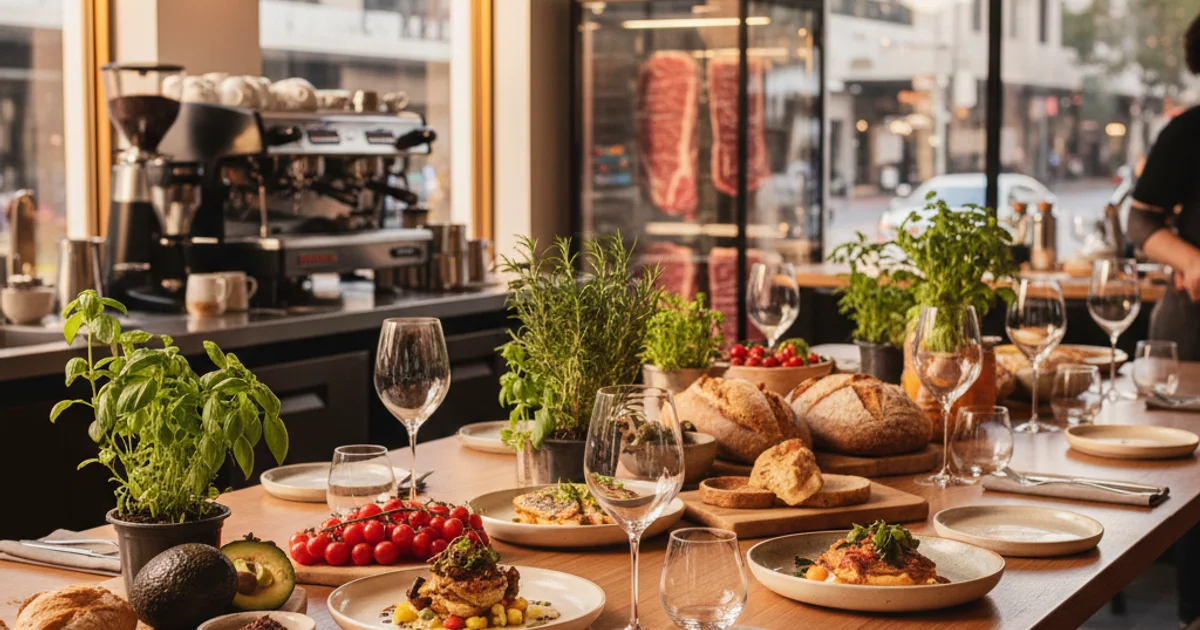
Brisbane's restaurant scene tells two stories. Walk through the CBD and you'll find packed venues with customers queuing for tables, while just blocks away, equally good restaurants struggle with empty dining rooms during off-peak hours. The difference often comes down to one thing: how well they keep customers coming back.
The Brisbane Restaurant Loyalty Challenge
Brisbane restaurants face unique retention challenges in Australia's third-largest city. With over 4,000 food service establishments competing across the CBD, Fortitude Valley, and South Bank, customer loyalty has become the deciding factor between thriving and merely surviving.
Research from Harvard Business Review reveals that acquiring a new customer costs 5 to 25 times more than retaining an existing one. For Brisbane restaurants operating on thin margins, this math makes customer retention not just beneficial—it's essential for survival.
Traditional punch cards and paper-based loyalty systems can't compete with the digital expectations of Brisbane diners. Modern customers expect seamless experiences that work across multiple visits, track their progress automatically, and deliver rewards without the friction of carrying physical cards.
Why Brisbane Restaurants Need Digital Loyalty Programs
Brisbane's dining culture revolves around convenience and quality experiences. The city's outdoor-friendly climate drives strong al-fresco and brunch dining, with morning and late-morning representing peak periods rather than traditional dinner rushes.
Digital loyalty programs align perfectly with these patterns. When a customer visits your restaurant for their regular morning coffee or weekend brunch, they can quickly scan a QR code and earn stamps toward their next reward. No fumbling with physical cards or remembering to bring anything—just their phone.
According to data from Bain & Company, increasing customer retention by just 5% can boost profits by as much as 95%. For Brisbane restaurants, this translates directly to more predictable revenue during traditionally slower periods.
The integration with existing point-of-sale systems means staff can focus on service rather than managing separate loyalty hardware. STAMPEDE works alongside your current POS setup, requiring no additional equipment or complex integrations.
Essential Features for Restaurant Loyalty Programs
Successful restaurant loyalty programs in Brisbane share several key characteristics that drive both customer engagement and business growth.
Stamp-based rewards create clear visual progress that customers can see building toward their next reward. Unlike points systems that feel abstract, stamps provide immediate gratification with each visit. Customers understand exactly how many more visits they need for their next free meal or discount.
WhatsApp messaging reaches customers where they already communicate. Brisbane diners use WhatsApp extensively, and SMS delivers a 40-50% response rate compared to just 4-6% for email marketing, according to Sinch research. Automated messages can notify customers about new menu items, special events, or remind them when rewards are about to expire.
Referral programs turn satisfied customers into active promoters. When a regular customer shares your restaurant with friends, both the referrer and new customer receive rewards. This creates a viral growth loop that costs significantly less than traditional advertising.
Multi-location support becomes crucial as Brisbane restaurants expand across different suburbs. Whether you operate in the CBD and South Bank, or plan to open additional locations, your loyalty program should track customer visits across all venues while providing location-specific insights.
Implementation Strategy for Brisbane Restaurants
Rolling out a digital loyalty program requires careful planning to ensure smooth adoption by both staff and customers. The most successful Brisbane restaurants follow a phased approach that minimizes disruption while maximizing uptake.
Staff training forms the foundation of successful implementation. Your team needs to understand not just the technical aspects of scanning QR codes, but also how to communicate the benefits to customers. When staff can confidently explain how customers save money and receive exclusive offers, adoption rates increase dramatically.
Customer education happens naturally during the ordering process. A simple mention of "Would you like to join our loyalty program and start earning stamps toward free meals?" captures most customers' attention. The key is making it feel like an added benefit, not an obligation.
Promotional launch creates initial momentum. Consider offering double stamps for the first week, or giving new members an immediate welcome reward. Brisbane diners respond well to limited-time offers that create urgency around signup.
The beauty of QR-based systems lies in their simplicity. Customers don't need to download apps, create accounts, or remember passwords. They simply scan, enter their phone number once, and start earning rewards immediately.
Measuring Success and ROI
Brisbane restaurants using digital loyalty programs typically see measurable results within the first month of implementation. Key metrics provide clear indicators of program effectiveness and areas for optimization.
Return visit frequency often increases by 20-30% among loyalty program members compared to non-members. This metric directly correlates with revenue growth, as frequent customers typically spend more per visit and choose your restaurant over competitors.
Average transaction value tends to rise as customers work toward reward thresholds. If a customer needs one more stamp for a free appetizer, they're more likely to add a dessert or upgrade their drink to reach that goal during their current visit.
Customer lifetime value extends significantly when loyalty programs include referral components. Research from Sprout Social shows that 49% of consumers make purchases based on influencer posts—and satisfied customers become micro-influencers for your restaurant within their social circles.
Data collection enables targeted marketing that drives additional revenue. Knowing customer preferences, visit patterns, and spending habits allows Brisbane restaurants to send personalized offers that feel relevant rather than generic.
Cost analysis typically shows positive ROI within 60-90 days. While there's an initial investment in program setup and staff training, the increased customer retention and higher average transaction values quickly offset these costs.
Brisbane Market Considerations
Brisbane's unique dining landscape requires loyalty programs tailored to local preferences and behaviors. The city's residents have distinct patterns that successful restaurants learn to leverage.
Seasonal variations affect dining patterns significantly. Brisbane's warmer climate means year-round outdoor dining, but summer months see increased competition from tourism and events. Loyalty programs help maintain local customer relationships during these fluctuating periods.
Neighborhood loyalty runs strong in Brisbane suburbs. Customers often choose restaurants based on convenience and community connection rather than just price or cuisine type. Digital loyalty programs strengthen these neighborhood ties by recognizing and rewarding regular customers.
Competition density in areas like James Street and South Bank means customers have numerous dining options within walking distance. Loyalty programs create switching costs—customers with stamps toward rewards are less likely to try competitors, even when presented with attractive alternatives.
Understanding these local dynamics helps Brisbane restaurants design loyalty programs that resonate with their specific customer base while building sustainable competitive advantages.