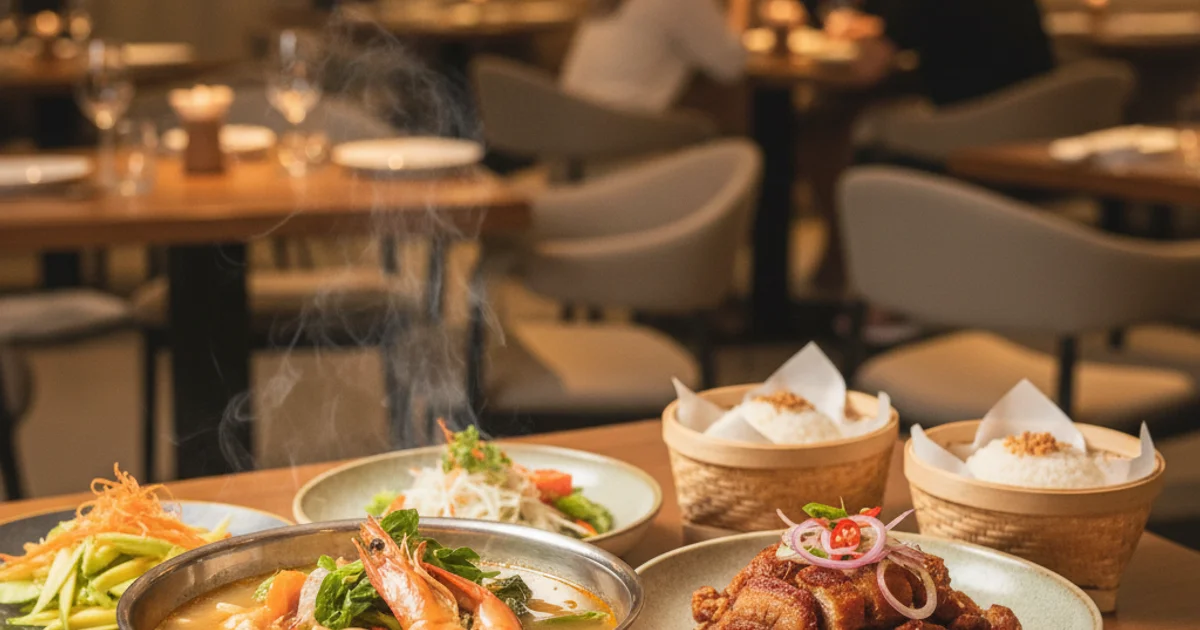
It's 7pm in Makati's Greenbelt district, and the dinner rush is in full swing. Tables turn over quickly at the Filipino restaurants, but only a handful of diners return the following week. In Metro Manila's central business district, where 10 restaurants compete within walking distance, keeping customers coming back requires more than just good food.
Restaurant owners in Makati face a unique challenge. The area attracts both office workers seeking quick lunch options and evening diners exploring upscale venues. With an average rating of 4.67 stars across local establishments like Manam Greenbelt and Blackbird Makati, quality isn't the differentiator—customer retention is.
A loyalty app transforms how restaurants in Makati build lasting relationships with their customers. Instead of hoping diners remember your restaurant among dozens of options, you create a direct connection that brings them back repeatedly.
Why Makati Restaurants Need Digital Loyalty Programs
Makati's dining scene operates differently from other Philippine cities. The central business district sees massive foot traffic during weekdays, with office workers from Salcedo and Legazpi Villages flooding restaurants during lunch hours. Evenings and weekends shift toward leisure dining, particularly in areas like Poblacion and around major shopping centers.
This dual nature means restaurants must capture both quick-service customers and experience-driven diners. A loyalty app addresses both segments by offering immediate value and long-term engagement.
A digital loyalty program helps restaurants identify their most valuable customers. Research shows that between 80% and 90% of positive referrals come from a brand's most loyal, highest-value customers, making retention programs essential for sustainable growth.
Traditional punch cards get lost in wallets or forgotten at home. Digital loyalty apps live on customers' phones—devices they carry everywhere. When a customer finishes their meal at a Makati restaurant, they can immediately earn stamps without worrying about physical cards.
The convenience factor becomes crucial in Makati's fast-paced environment. Office workers grabbing lunch have limited time, and a quick QR scan to earn rewards fits seamlessly into their routine.
Essential Features for Philippine Restaurant Loyalty Apps
The most effective loyalty apps for Makati restaurants combine simplicity with powerful engagement tools. Customers shouldn't need to download a separate app—web-based solutions work better in the Philippines where phone storage space is often limited.
Digital stamp cards form the foundation. Customers earn stamps for each visit or purchase, working toward milestone rewards. Unlike physical punch cards, digital versions never get lost and can include multiple reward tiers.
WhatsApp integration proves particularly valuable in the Philippines, where the messaging platform dominates communication. When customers near a milestone or haven't visited recently, automated WhatsApp messages can bring them back. Studies indicate that WhatsApp Business messages achieve a 98% open rate compared to around 20% for email, making it the most effective channel for restaurant communication.
Referral systems amplify growth organically. Happy customers share their favorite restaurants with friends, and loyalty apps can track and reward these referrals automatically. A customer who refers friends to a Makati restaurant might earn bonus stamps or exclusive rewards, creating a viral loop that drives new customer acquisition.
The system should integrate with existing point-of-sale systems without requiring major operational changes. Staff can scan customer QR codes at checkout, and the loyalty program tracks visits automatically. This seamless integration ensures the program enhances rather than complicates daily operations.
Email marketing extends the relationship beyond the restaurant visit. Customers can receive updates about new menu items, special promotions, or personalized offers based on their dining history.
How Digital Loyalty Drives Revenue Growth
Restaurants using digital loyalty programs see measurable improvements in customer behavior and revenue. Top restaurant operators now drive up to 37% of their transactions through loyalty program members, demonstrating the significant impact these systems can have on business performance.
Increased visit frequency represents the most direct benefit. When customers have stamps to earn and rewards to claim, they choose your restaurant over competitors more often. A customer with 8 stamps toward a 10-stamp reward will prioritize your restaurant for their next meal.
Average order values typically increase among loyalty members. Customers might add an appetizer or dessert to reach a spending threshold for bonus stamps. They view the additional purchase as an investment in future rewards rather than extra expense.
Data collection enables personalized marketing that drives higher conversion rates. The loyalty app tracks customer preferences, visit patterns, and spending habits. Restaurants can use this information to send targeted promotions that match individual customer interests.
Customer lifetime value improves significantly with loyalty programs. A customer who visits monthly without a loyalty program might increase to bi-weekly visits when working toward rewards. Over a year, this frequency increase can double the revenue generated per customer.
The referral component creates additional revenue streams. When existing customers bring friends, restaurants acquire new customers at zero acquisition cost. These referred customers often have higher retention rates because they come with a personal recommendation.
Loyalty programs also provide valuable business intelligence. Restaurant owners can identify their busiest days, most popular menu items, and highest-value customer segments. This data supports better inventory management, staffing decisions, and menu optimization.
Implementation Strategy for Makati Restaurants
Successfully launching a loyalty program requires careful planning and execution. The implementation should minimize disruption to existing operations while maximizing customer adoption.
Staff training ensures smooth rollout. Employees need to understand how to explain the program to customers, scan QR codes efficiently, and handle common questions. Training should cover both the technical aspects and the value proposition customers will find compelling.
Start with a simple reward structure that's easy to communicate. "Earn 10 stamps, get a free appetizer" is clearer than complex point calculations or multiple reward tiers. You can always add sophistication later as customers become familiar with the program.
Marketing the launch requires multiple touchpoints. Table tents, social media posts, and staff recommendations all play a role in initial awareness. Consider offering a sign-up bonus—such as 2 free stamps—to encourage immediate participation.
Integration with existing POS systems should be seamless. The loyalty platform should complement, not replace, current payment and order management processes. Staff shouldn't need to learn entirely new procedures or use additional hardware.
Customer data collection must comply with Philippine privacy regulations. Be transparent about what information you're collecting and how you'll use it. Most customers willingly share basic contact information in exchange for rewards, but trust is essential for long-term success.
Monitor key metrics from launch day. Track sign-up rates, redemption frequency, and customer feedback. Early data helps identify issues quickly and optimize the program before problems affect the customer experience.
Consider seasonal promotions and special events that leverage the loyalty program. During Makati's shopping festivals or holiday seasons, bonus stamp opportunities can drive increased traffic during peak periods.
Advanced Features That Set Programs Apart
While basic stamp-and-reward systems provide value, advanced features can significantly increase program effectiveness and customer engagement.
Tiered membership levels create aspirational goals. Bronze, silver, and gold tiers with increasing benefits encourage customers to visit more frequently to unlock higher status. A gold member might receive priority reservations or exclusive menu previews.
Automated marketing campaigns based on customer behavior improve retention without manual effort. If a regular customer hasn't visited in two weeks, the system can automatically send a "we miss you" message with a special offer. Studies show that 80% of consumers are more likely to do business with a brand that offers personalized experiences.
Birthday and anniversary rewards create emotional connections. The loyalty app can track important dates and automatically generate special offers. These personal touches make customers feel valued beyond their spending.
Social media integration allows customers to share their loyalty achievements. When someone earns a reward or reaches a new tier, they can post about it on Facebook or Instagram, providing free marketing for the restaurant.
Analytics dashboards give restaurant owners detailed insights into program performance. Track which rewards are most popular, identify your highest-value customers, and measure the program's impact on overall revenue.
Integration with review platforms encourages positive feedback. After a positive dining experience, the loyalty app can prompt satisfied customers to leave reviews on Google or Facebook, improving the restaurant's online reputation.
Limited-time challenges and gamification elements keep the program engaging. "Visit 5 times this month for a bonus reward" creates urgency and encourages increased frequency during specific periods.
Measuring Success and ROI
Tracking the right metrics ensures your loyalty program delivers measurable business value. Focus on metrics that directly correlate with revenue growth and customer satisfaction.
Customer retention rate is the primary indicator. Compare how often loyalty members visit versus non-members. A successful program should show significantly higher visit frequency among participants.
Average order value per transaction reveals whether the program encourages increased spending. Track this metric separately for loyalty members and regular customers to measure the program's impact on purchase behavior.
Program participation rate indicates customer acceptance. If only a small percentage of customers join the program, review the sign-up process, reward structure, or staff training. High participation rates suggest strong customer value perception.
Redemption rates show engagement levels. Customers who earn rewards but never redeem them aren't fully engaged with the program. Low redemption rates might indicate rewards that don't match customer preferences or a redemption process that's too complicated.
Customer lifetime value provides the ultimate ROI measurement. Calculate the total revenue generated by loyalty members over time compared to non-members. Factor in the program's operational costs to determine net profitability.
Referral tracking measures organic growth generated by the program. Count new customers who join through existing member referrals and track their subsequent behavior. Referred customers often have higher retention rates and lifetime values.
Cost per acquisition for loyalty members versus traditional marketing channels helps optimize marketing spend. If the loyalty program generates new customers more cost-effectively than paid advertising, it justifies increased investment in program features and rewards.
---