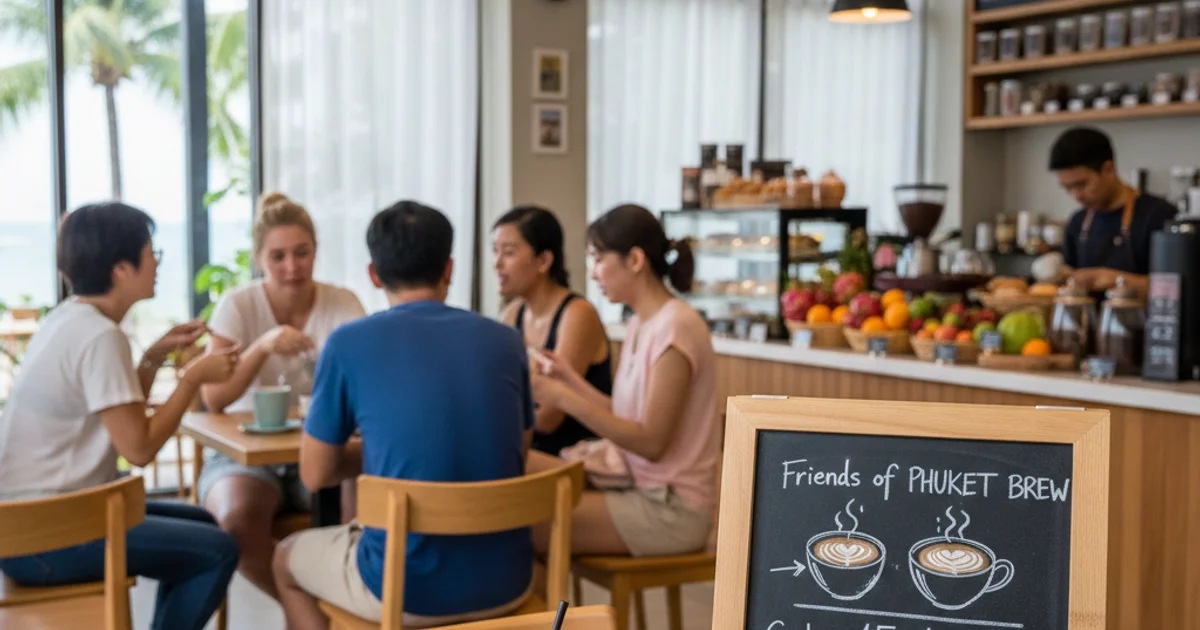
It's 2 PM in Patong, the lunch rush has ended, and most coffee shops see their afternoon slump begin. But at one particular café near the beach, customers keep streaming in—not just tourists, but locals who've become regulars through word-of-mouth recommendations from friends.
Phuket's coffee scene faces unique challenges. With a customer base that's majority international tourists mixed with local Thai residents, building lasting relationships requires more than just good coffee. The seasonal nature of tourism means revenue swings dramatically, and competition is fierce in popular areas like Patong, Kata, and Karon.
This is where referral programs become essential for Phuket coffee shops. Rather than relying solely on foot traffic from tourists who may never return, smart café owners are building networks of local advocates who bring friends, family, and repeat visitors throughout the year.
Why Phuket Coffee Shops Need Referral Programs
Phuket's tourism-heavy market creates both opportunities and challenges for coffee shop owners. Research from Nielsen shows that consumers place far more trust in recommendations from people they know than in traditional advertising—a principle that's especially relevant in Thailand's relationship-focused culture.
The key advantage lies in customer acquisition cost. While digital ads targeting tourists can be expensive and yield one-time visits, referral programs tap into existing customers who already love your coffee. These advocates naturally share their discoveries with friends, creating authentic recommendations that feel genuine rather than promotional.
For coffee shops operating in tourist zones, referrals also help balance the customer mix. Local Thai customers who become advocates through referral rewards provide steady revenue during slower tourism periods, while tourists who discover your café through local recommendations tend to visit multiple times during their stay.
Setting Up Effective Coffee Shop Referrals
The foundation of any successful referral program starts with understanding your customer base. In Phuket, this means designing rewards that appeal to both tourists seeking immediate value and locals looking for long-term benefits.
Digital referral systems work particularly well for coffee shops because they integrate seamlessly with existing point-of-sale operations. Customers receive unique referral codes through messaging platforms like LINE (Thailand's dominant chat app) or WhatsApp, making sharing effortless across different customer segments.
The reward structure should reflect local preferences and spending patterns. Thai customers often prefer percentage discounts or buy-one-get-one offers, while international tourists may respond better to fixed-value rewards or exclusive menu items. Successful Phuket coffee shops often implement tiered rewards where both the referrer and new customer benefit immediately.
Timing matters significantly in tourist markets. Referral invitations work best when sent during peak satisfaction moments—right after a customer enjoys their favorite drink or discovers a new menu item they love. This emotional connection makes them more likely to share the experience with others.
Maximizing Tourist and Local Engagement
Phuket coffee shops must navigate the unique dynamic between transient tourists and permanent residents. Studies indicate that loyal customers generate the majority of positive referrals, making it crucial to identify which visitors might return or extend their stays.
For tourist engagement, focus on immediate gratification and social sharing. Tourists are more likely to refer friends who are traveling with them or planning similar trips. Creating Instagram-worthy moments around referral rewards—special drinks, branded merchandise, or exclusive seating areas—encourages social media sharing that extends beyond direct referrals.
Local Thai customers require a different approach. Building relationships through consistent service and community involvement creates stronger referral networks. Local customers who feel genuinely valued by a coffee shop become powerful advocates, often bringing colleagues, family members, and friends regularly.
The key is making referrals feel natural rather than forced. Train staff to mention the referral program conversationally when customers express satisfaction, rather than pushing it as a sales pitch. This approach aligns with Thai cultural preferences for soft-sell relationship building.
Digital Tools for Phuket Coffee Referrals
Modern referral programs rely heavily on digital infrastructure that works across Thailand's messaging preferences. LINE dominates local communication, while tourists often prefer WhatsApp or SMS. Effective systems accommodate both channels without creating complexity for staff or customers.
QR code integration proves particularly valuable in coffee shop environments. Customers can scan codes printed on receipts, table tents, or cup sleeves to access their referral links instantly. This eliminates the friction of downloading apps or remembering website URLs, especially important for tourists who may have limited data plans or language barriers.
Automation handles the heavy lifting of tracking referrals, calculating rewards, and notifying customers when friends make purchases. This removes manual work from busy baristas while ensuring accurate credit for successful referrals. The system should integrate with existing point-of-sale systems to avoid disrupting established workflows.
Real-time notifications keep the referral process engaging. When someone uses a customer's referral code, both parties receive immediate confirmation through their preferred messaging channel. This instant feedback loop encourages continued participation and sharing.
Measuring Coffee Shop Referral Success
Successful referral programs require consistent monitoring of key performance indicators that reflect both immediate results and long-term customer value. The most important metric isn't just how many referrals are generated, but how many referred customers become regular visitors themselves.
Customer lifetime value becomes particularly important in Phuket's mixed market. A referred local customer who visits twice weekly for six months generates significantly more revenue than ten tourist referrals who each visit once. Tracking these patterns helps optimize reward structures and targeting strategies.
Conversion rates vary significantly between customer segments. Local referrals typically convert at higher rates because they come with stronger personal recommendations and have ongoing opportunities to visit. Tourist referrals may convert less frequently but often result in higher immediate spending per visit.
According to research from Bain & Company, businesses that increase customer retention by just five percent can see profit increases of up to 95 percent. For coffee shops in tourist destinations, referral programs provide one of the most effective paths to building the local customer base that drives this retention growth.
Seasonal analysis reveals important patterns for Phuket coffee shops. Referral activity often peaks during high tourist seasons when locals interact more frequently with visitors, creating natural opportunities for recommendations. Understanding these cycles helps optimize marketing spend and staff training timing.