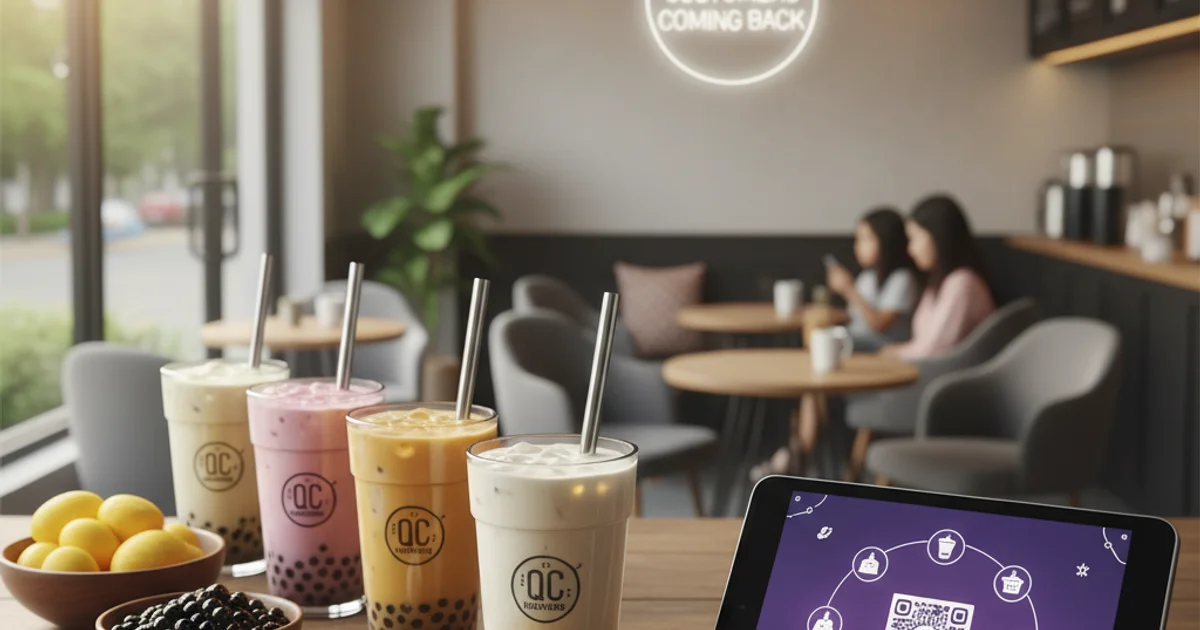
When bubble tea shops in Quezon City compete for customers across SM North EDSA, Eastwood City, and Maginhawa Street, the ones pulling ahead aren't just serving better drinks — they're keeping customers coming back with smart digital loyalty programs.
With 10 bubble tea establishments scattered across Quezon City's major shopping districts, from Milksha at SM North EDSA to Serenitea on Tomas Morato, customer retention has become the deciding factor between thriving and surviving. A digital stamp card system transforms one-time bubble tea buyers into repeat customers who choose your shop over the competition.
Why Quezon City Bubble Tea Shops Need Digital Stamp Cards
Traditional paper punch cards get lost, forgotten, or damaged in Manila's humid climate. Digital stamp cards solve this problem by living on customers' phones, always accessible when they're ready to order their next brown sugar milk tea or taro smoothie.
Digital stamp cards work better because customers always have their phones. When someone visits MiPanda Milk Tea at Grass Residences, they can earn stamps instantly without carrying physical cards. The system tracks their progress toward rewards automatically, encouraging them to return sooner.
The Philippine bubble tea market's rapid growth means customer acquisition costs are rising. According to research from Momentum Works, Southeast Asia's food delivery market hit US$19.3 billion in 2024, growing 13% while overall F&B grew just 4.6%. This competitive pressure makes customer retention more valuable than ever.
How Digital Stamp Cards Increase Bubble Tea Shop Revenue
A well-designed stamp card system creates predictable revenue streams by encouraging customers to complete their cards. When Wealth Tea customers know they need just two more stamps to earn a free drink, they're more likely to visit twice this week instead of trying a competitor.
Revenue increases come from higher visit frequency, not just customer count. Instead of visiting once per month, stamp card members might visit twice per week to reach their next reward milestone. This behavior change multiplies the lifetime value of each customer significantly.
The key is setting the right milestone structure. Most successful Quezon City bubble tea shops use a 10-stamp card with rewards at stamps 5 and 10. The mid-point reward keeps customers engaged, while the completion reward feels substantial enough to drive repeat visits.
Digital systems also enable dynamic promotions that paper cards can't match. During slower periods, shops can offer double-stamp days or bonus stamps for specific drinks, instantly reaching all members through push notifications or WhatsApp messages.
WhatsApp Integration Drives Customer Engagement
Filipino consumers heavily favor WhatsApp for business communication, making it the ideal channel for stamp card notifications and promotions. When customers earn stamps at Yi Fang Taiwan Fruit Tea on Banawe, they receive instant WhatsApp confirmations showing their progress.
WhatsApp messages achieve significantly higher engagement than email or SMS. Research from Infobip shows that WhatsApp Business messages achieve a 98% open rate in 2025, compared to roughly 20% for email. This means your stamp card updates and promotional offers actually reach customers.
The messaging system works automatically — no staff training required. When a customer reaches 8 stamps, they automatically receive a WhatsApp message saying "Just 2 more stamps for your free drink!" This gentle reminder often triggers their next visit within 24-48 hours.
Seasonal promotions become more effective through WhatsApp integration. During the rainy season in Quezon City, bubble tea shops can send messages about hot drink specials to all stamp card members, driving sales during typically slower periods.
Mobile-First Design for Filipino Customers
Quezon City's tech-savvy population expects mobile experiences that work seamlessly across different phone models and network conditions. Digital stamp cards must function equally well on budget Android phones and premium iPhones.
The system works without app downloads, removing friction for new customers. When someone visits Tokyo Bubble Tea for the first time, they can join the stamp card program by simply scanning a QR code. No app store visits, no account creation barriers — just instant participation.
GCash integration aligns with local payment preferences, though cash remains king in many Quezon City bubble tea shops. The stamp card system accommodates both payment methods, ensuring no customers are excluded from earning rewards.
Mobile optimization extends beyond just technical functionality. The interface uses large, touch-friendly buttons that work even when customers are wearing gloves or have wet hands from Manila's frequent rain showers.
Setting Up Stamp Card Rewards That Drive Sales
Successful bubble tea shops in Quezon City structure their rewards to encourage both frequency and higher spending. A typical setup might offer a free regular-sized drink at 5 stamps and a premium drink upgrade at 10 stamps.
Reward timing affects customer behavior more than reward value. Customers who earn their first reward quickly are more likely to complete their second card. This is why many shops front-load their programs with a welcome bonus or early milestone reward.
Product-specific rewards work particularly well for bubble tea shops with diverse menus. Instead of generic "free drink" rewards, consider offering "free topping upgrade" or "try our new seasonal flavor" rewards that introduce customers to higher-margin items.
The most effective programs also include surprise rewards — unexpected bonuses that delight customers and encourage social sharing. When customers receive an unexpected free topping on their 7th visit, they're likely to post about it on social media, providing free marketing.
Managing Multiple Locations in Metro Manila
Bubble tea chains operating across Quezon City's different districts need stamp card systems that work seamlessly between locations. Customers should earn and redeem stamps whether they visit the Eastwood City branch or the Tomas Morato location.
Cross-location tracking prevents customer frustration and maximizes convenience. A customer who earns 6 stamps at the SM North EDSA location should be able to redeem their reward at the Katipunan branch without any hassle.
Branch-specific promotions can run alongside the unified stamp program. The Maginhawa location might offer double stamps during university exam periods, while the mall locations focus on weekend family promotions.
Staff training becomes simpler with digital systems because the technology handles most of the complexity. Cashiers only need to know how to scan QR codes and help customers who need assistance accessing their digital cards.
Measuring Success and ROI
Digital stamp card systems provide detailed analytics that paper cards never could. Quezon City bubble tea shops can track exactly which rewards drive the most repeat visits, which locations have the highest engagement rates, and which customer segments respond best to different promotions.
Key metrics include average stamps per customer, time between visits, and reward redemption rates. These numbers reveal whether the program successfully changes customer behavior or just gives discounts to people who would visit anyway.
Customer lifetime value calculations become more accurate with digital tracking. Shops can identify their most valuable customers and create VIP programs or special offers that strengthen those relationships further.
A/B testing different reward structures helps optimize the program over time. One month might test "buy 9 get 1 free" while another tests "buy 8 get 1 free with a bonus topping" to see which drives more frequent visits.