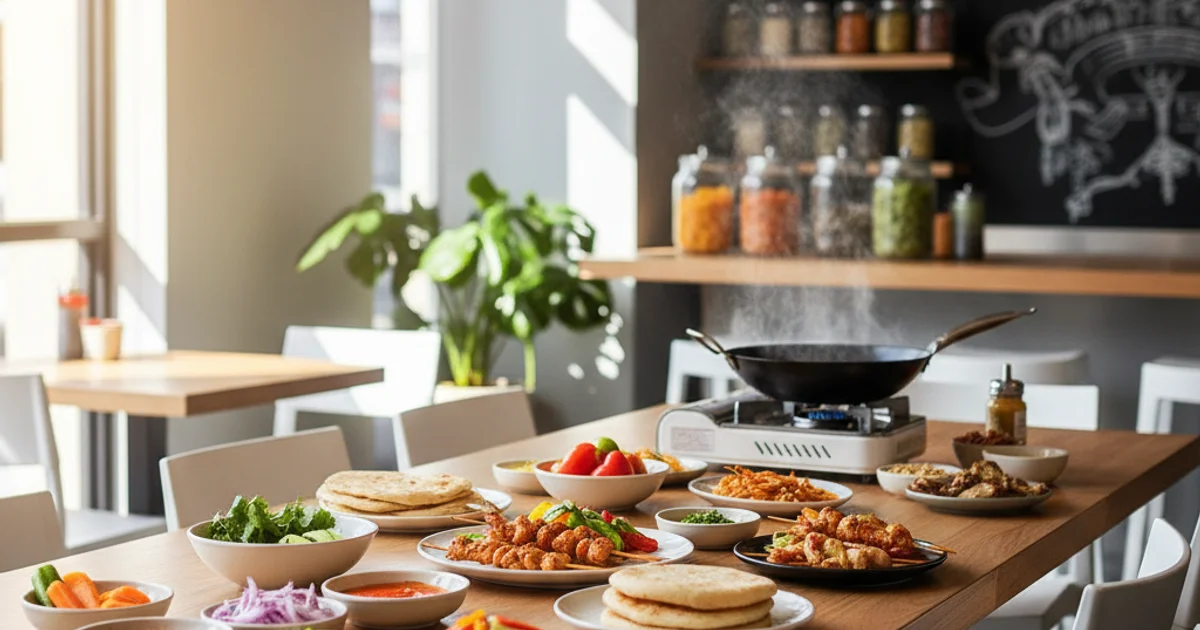
Running a hawker stall in Perth means competing in a city where food culture revolves around brunch and coffee, not the quick-serve meals that built Singapore's hawker heritage. Yet Perth's growing Asian population and the city's embrace of diverse cuisines create opportunities for hawker-style operations to build loyal followings through smart customer retention strategies.
A referral program transforms your regular customers into active promoters, bringing new faces to your stall while rewarding the loyalty you've already earned. When designed for the unique dynamics of hawker operations — quick service, repeat customers, and community connections — referral systems become powerful growth engines that cost less than traditional advertising.
Why Perth Hawker Stalls Need Customer Referrals
Perth's food scene clusters around key areas like Northbridge, the CBD, and Fremantle, where foot traffic patterns differ significantly from Singapore's hawker centers. Without the built-in discovery that comes from hawker center layouts, Perth operators must work harder to attract new customers and keep existing ones returning.
Research from Harvard Business Review shows that acquiring new customers costs five to twenty-five times more than keeping existing ones engaged. For hawker stalls operating on tight margins, this cost difference makes customer retention and referral generation critical survival strategies.
The mining economy's influence on Perth creates a unique customer base with higher disposable income but irregular schedules. Workers on fly-in-fly-out rotations become valuable customers when they're in town, but only if they remember your stall exists and can easily share it with colleagues.
Setting Up Referral Rewards That Work
Effective hawker stall referrals balance simplicity with motivation. The best programs offer immediate value to both the referring customer and their friend, creating a win-win dynamic that encourages participation without complex rules.
Dollar-off rewards work particularly well for hawker operations. A "$3 off your next meal when a friend visits" structure provides clear value while maintaining healthy margins on typical $12-15 hawker portions. The referred friend receives a welcome discount, making their first visit more likely.
Tiered referral systems can amplify results for stalls building larger customer bases. After three successful referrals, customers might unlock a free meal or exclusive menu access. According to Harvard Business Review research, referred customers generate thirty to fifty-seven percent more referrals than non-referred customers, creating compounding growth effects.
Digital referral tracking eliminates the friction that kills participation. When customers can share their unique code via WhatsApp or SMS with a single tap, referral rates increase dramatically compared to systems requiring manual code sharing or physical cards.
Building Community Through Word-of-Mouth
Perth's geographic isolation creates tight-knit communities where personal recommendations carry significant weight. Hawker stalls that tap into these networks through structured referral programs often see faster growth than those relying solely on location or advertising.
The key lies in timing referral prompts correctly. When customers finish a satisfying meal and receive their receipt, they're most likely to share positive experiences. A simple "Share with a friend and you both save $3" message at this moment captures peak satisfaction and converts it into actionable referrals.
Workplace referrals deserve special attention in Perth's business districts. Office workers who discover a reliable lunch option become valuable advocates when referral programs make sharing easy. According to Epsilon research, eighty percent of consumers prefer doing business with brands offering personalized experiences — and referral programs create exactly this type of tailored engagement.
Social media integration amplifies referral reach beyond immediate friend circles. When customers share their referral codes on Instagram stories or Facebook posts, they expose your stall to networks you couldn't reach through traditional advertising. The viral potential of well-designed referral content often generates more new customers than the original referral relationship.
Measuring Referral Success in Food Service
Tracking referral program performance requires looking beyond simple signup numbers to understand true business impact. The most successful hawker stalls monitor referral-to-visit conversion rates, average spending per referred customer, and long-term retention of referral-acquired customers.
Conversion tracking reveals which referral sources generate the highest-quality customers. Office workers might refer colleagues who become regular lunch customers, while weekend diners might share with friends who visit occasionally but spend more per visit. Understanding these patterns helps optimize referral messaging and timing.
Customer lifetime value calculations become crucial for determining appropriate referral reward levels. If referred customers typically spend $45 over their first three months, offering $6 in combined referral rewards (split between referrer and referee) maintains healthy unit economics while providing meaningful incentives.
The Bond Brand Loyalty study with Visa found that seventy-nine percent of consumers recommend brands with strong loyalty programs, and eighty-five percent continue purchasing from them. This data suggests that referral programs create dual benefits: immediate customer acquisition and improved retention of existing customers who feel valued for their advocacy.
Technology That Scales With Growth
Modern referral programs succeed through automation that removes friction from both sharing and reward delivery. When customers can generate and share referral links instantly, participation rates increase significantly compared to manual systems requiring staff intervention.
WhatsApp integration proves particularly effective in Perth's multicultural food scene, where many customers prefer messaging apps over email or traditional social media. Research from Sinch demonstrates that SMS achieves forty to fifty percent response rates compared to just four to six percent for email marketing — and WhatsApp often performs even better for referral sharing.
Real-time reward delivery eliminates the delay that reduces referral program effectiveness. When both the referrer and referee receive their discounts immediately upon the friend's first purchase, the positive experience reinforces future referral behavior and builds trust in the program's reliability.
Analytics dashboards help hawker operators understand which customers generate the most valuable referrals and adjust their approach accordingly. Identifying top referrers allows for personalized outreach and special recognition that further encourages advocacy behavior.
Integrating Referrals With Daily Operations
Successful referral programs become seamless parts of the customer experience rather than awkward add-ons that slow service or create confusion. Staff training ensures consistent program promotion without disrupting the fast-paced hawker environment.
Point-of-sale integration allows cashiers to quickly apply referral discounts and explain the program to new customers during natural conversation breaks. When referral processing takes seconds rather than minutes, it doesn't impact service speed or create customer frustration.
Menu integration can highlight referral opportunities through subtle messaging that doesn't overwhelm the ordering experience. A small "Bring a friend, you both save" note on receipts or table tents keeps the program visible without being pushy.
The Antavo Global Customer Loyalty Report found that eighty-three percent of loyalty programs measuring ROI report positive returns, generating over five times more revenue than they cost. For hawker stalls with limited marketing budgets, this return on investment makes referral programs particularly attractive compared to paid advertising alternatives.